



World Cup on home soil: From the grand scale of the World Cup to the modest ASEAN Cup



Just days before the final moments of the 2026 World Cup, the FIFA President managed to plant a controversial seed: the possibility of expanding the 100th anniversary World Cup in 2030 to 64 teams, instead of stopping at the record-breaking 48. A tournament that hasn't even ended is already being discussed for nearly doubling its size compared to the standard that existed from 1998 to 2022.
That is the essence of FIFA's ambition: never stopping at the finish line, because for them, every finish line is just a new starting point.
This "greed" is not without basis. Mr. Infantino called the expansion to 48 teams at this year's World Cup a "100%" success, and he has data to back his view: teams from every continent scored and earned at least one point; nine out of ten African representatives reached the knockout stage. Whether more or less, it is evidence that the gap between major and minor football nations is narrowing, at least to the point where they can compete fairly over 90 minutes.
Of course, not everyone agrees. A 64-team tournament, according to the considered plan, would feature 16 groups and 128 matches, double the 64 matches of the 32-team era. The already packed international match calendar would become even more suffocating. That is the price to pay for expansion.
But looking back at history, every World Cup expansion has faced similar skepticism. From 16 teams in 1978 to 24 teams in 1982, then 32 teams in 1998, each time people said FIFA was diluting the quality of the world's premier tournament. Yet that very expansion gave Croatia a ticket to the semifinals in 1998 and the final in 2018, and gave Morocco a historic journey to the semifinals in 2022. Right and wrong, gains and losses, are intertwined in every decision. But the World Cup, no matter how it changes, remains a place where dreams begin for everyone.
On another corner of the football map, tens of thousands of kilometers from the power center in Zurich, the ASEAN Cup is set to kick off right after the World Cup concludes, as if by chance a comparison arises. The tournament turns 30 this year, dating back to the rudimentary Tiger Cup in 1996. Three decades is long enough for a tournament to define its identity, but looking back, the most significant change in the ASEAN Cup has only been the increase in semifinal and final matches to a two-legged format. That is a technical adjustment, driven by the lack of competitiveness in the group stage, not a revolution.
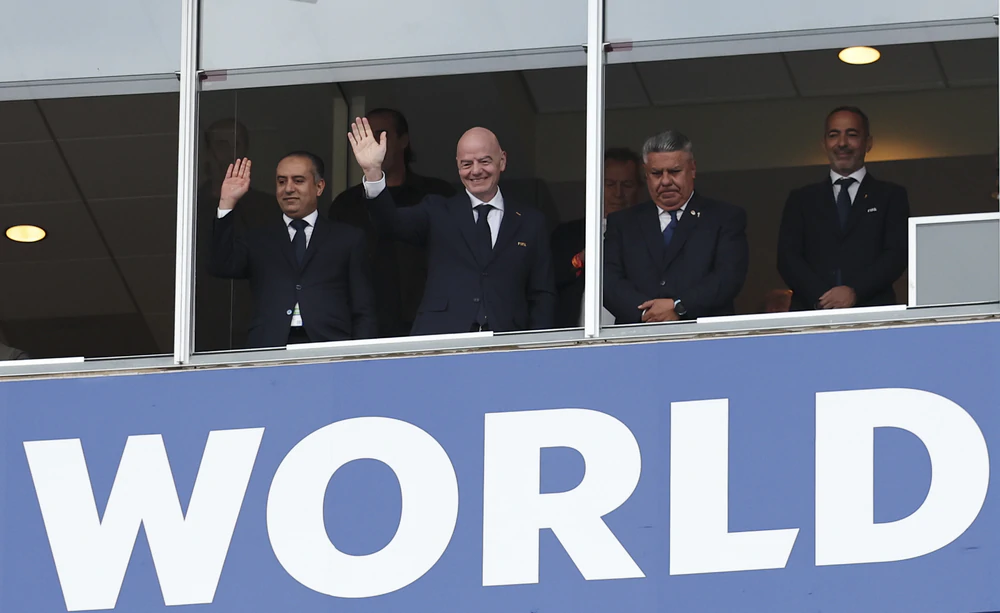
FIFA President Infantino (center) is stirring public debate with his idea of increasing the number of teams for the 2030 World Cup to 64. Photo: Xinhua/VNA
This "modesty," viewed charitably, reflects the region's familiar spirit of maintaining harmony. But it is also a sign of a football culture afraid of change, averse to risk, and more accustomed to preserving the status quo than shaping the future.
The obvious consequence: more and more teams treat the ASEAN Cup as a secondary playground, where they either avoid sending their strongest squad, or do so only in a defensive mindset. The tournament is no longer a place to showcase ambition, but is gradually becoming a stopover between old AFF Cup editions. Ironically, the most groundbreaking change has not come from within the region, but from FIFA itself, as the organization teamed up with the AFF to create the FIFA ASEAN Cup version—a kind of "implant" of brand and organizational standards from the outside.
This reveals an uncomfortable truth that needs to be spoken: weak and medium-level football nations always need boldness in organizational thinking, rather than relying solely on safety. FIFA, with all its criticized greed, has turned itself into a massive laboratory for the entire global football system, from VAR rules, tournament formats, to event scale. The remaining issue is not whether FIFA is right or wrong, but whether smaller football nations have the courage to experiment in their own way.
In reality, aside from the national league system based on the League format—which is already considered a near-perfect model with little need for intervention—the rest of each country's football landscape is ripe for reform: the national cup format, youth competition systems, promotion and relegation mechanisms, and even sending domestic matches abroad to increase exposure. All of these are within reach, without waiting for orders from Zurich.
A 64-team World Cup may not become a reality. But the lesson from such scale expansion is already clear: football only develops when people dare to think beyond existing frameworks. As for peacefulness, if it is merely an excuse to avoid change, sooner or later it will become a form of stagnation disguised under the word "modesty."


Wonderfulshortvideo
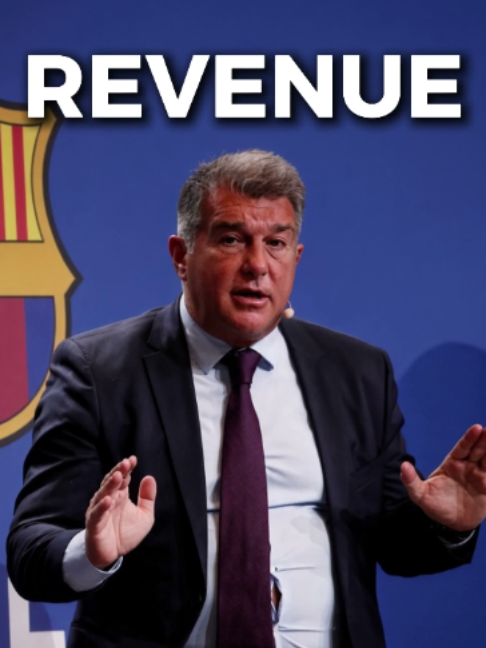
BARCELONA REVENUE barcelona news today



Lashed home by Kieffer Moore ☄️

The saxophones are getting louder for Preston here…
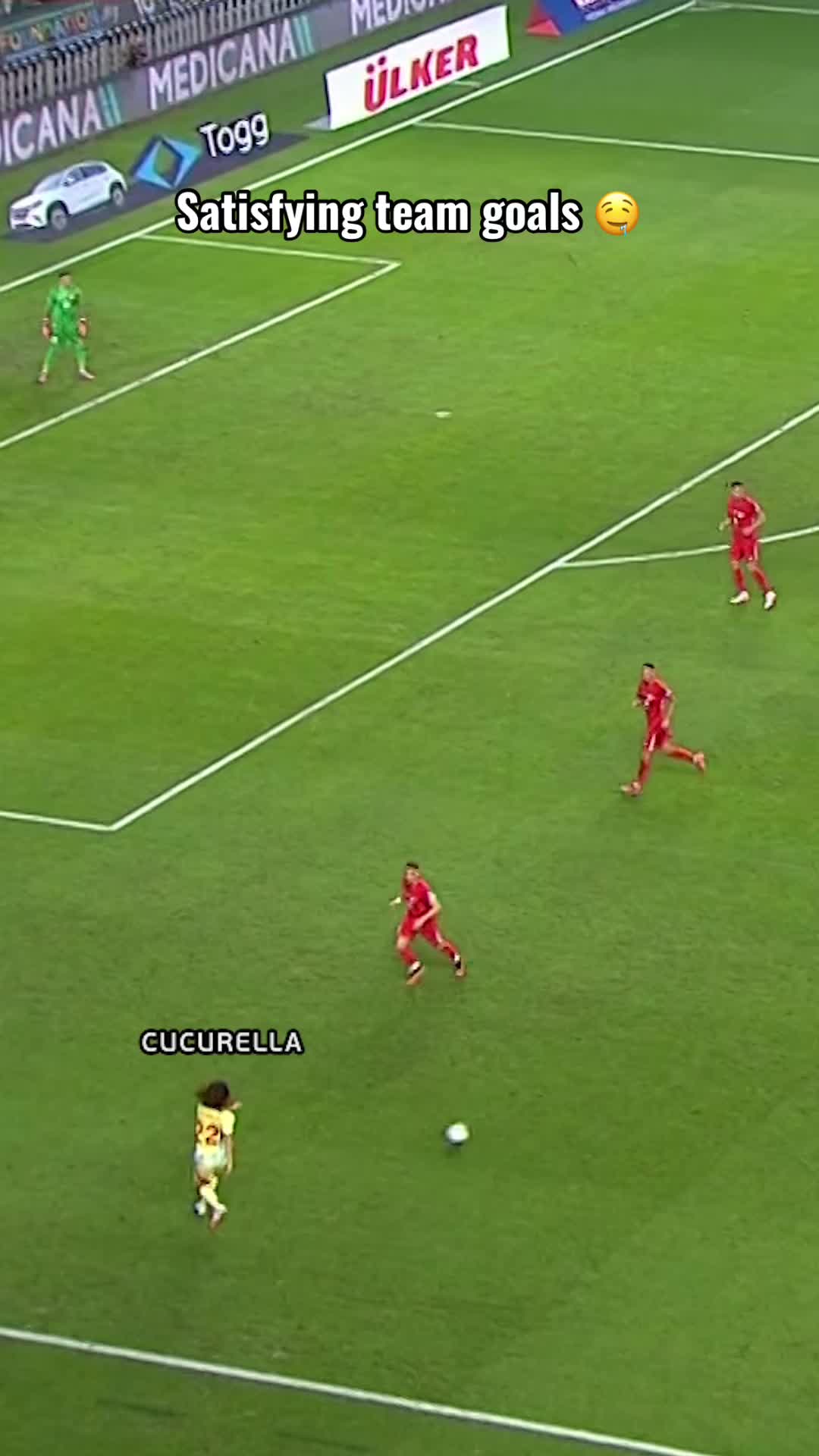
When football is simple but beautiful 😍
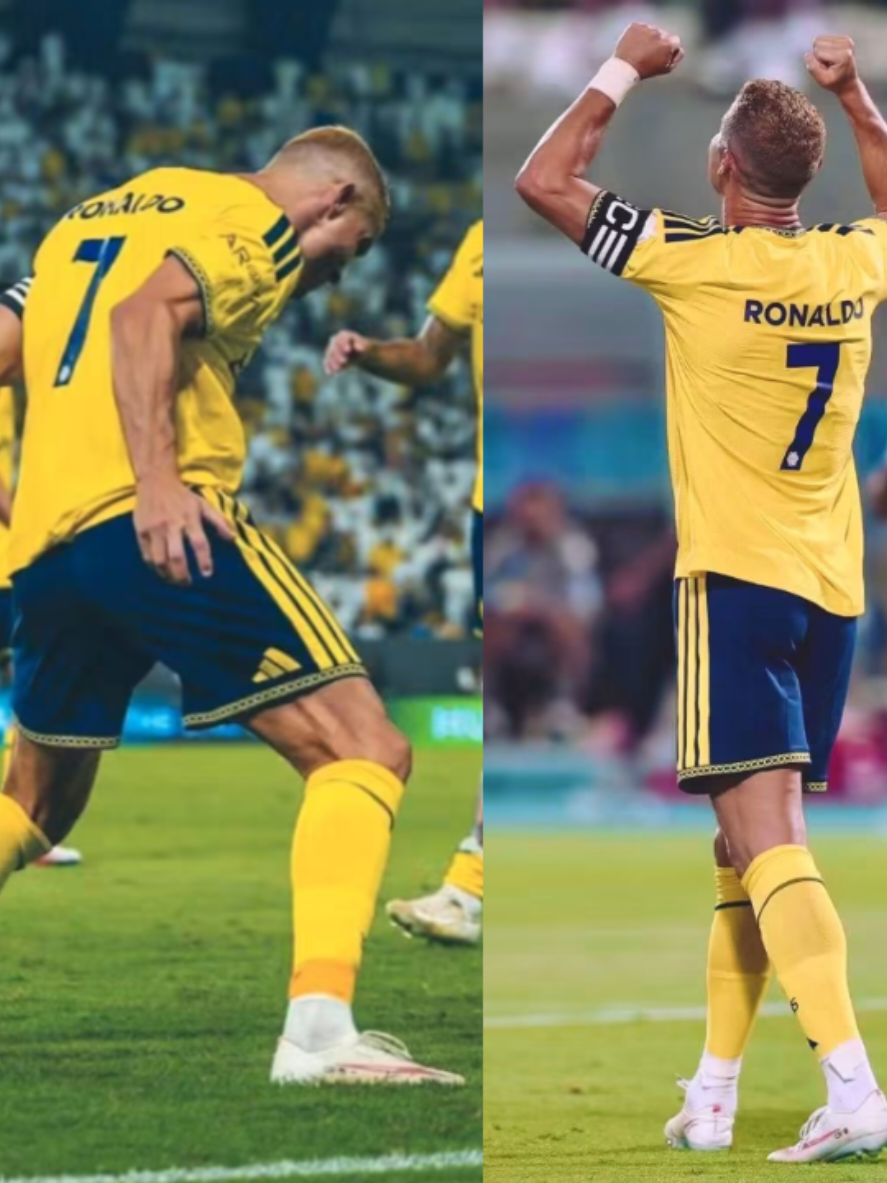
Cristiano Ronaldo is back on the quest for 1,000 goals, and these are his 977th and 978th goals.
messi argentina retirement messi retiring messi edit

The Swans go TOP of the Championship 🦢
 Links
Links
 Contact
 App
App


