



World Cup 2026: An Old Pain in a New Scenario



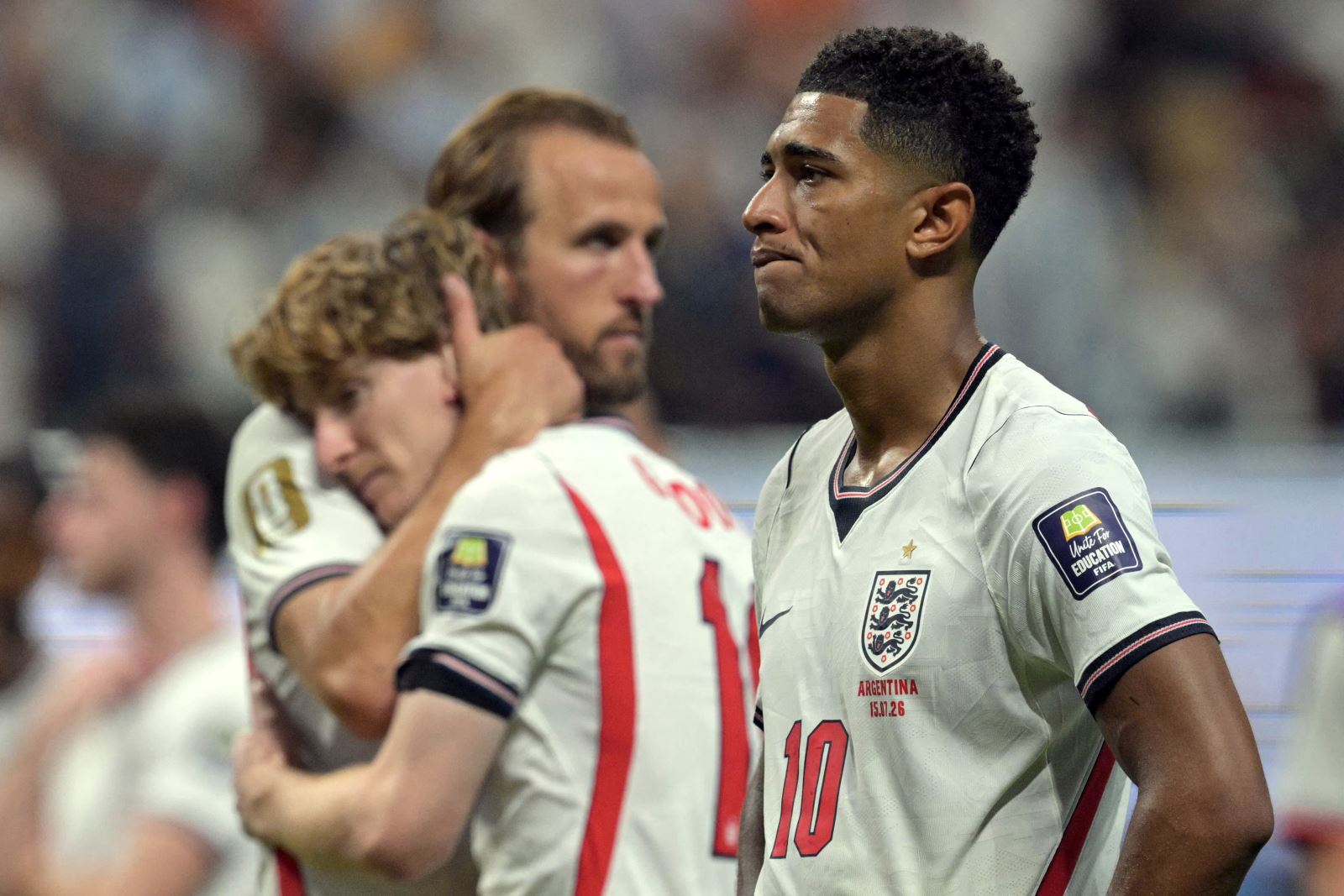
At the stadium in Atlanta, USA, England seemed to have one foot in their first final in 60 years when Anthony Gordon opened the scoring in the 55th minute. Yet, a familiar script unfolded. In the last 10 minutes, Lionel Messi suddenly ignited with two world-class assists, helping Enzo Fernandez equalize in the 85th minute before Lautaro Martinez headed home the winner in stoppage time, sending Argentina to the final.
This defeat extended the tragic streak of English football. Since the 2018 World Cup, this is the third time the "Three Lions" have lost in a semifinal or final of a major tournament after taking the lead. In 2018, they led Croatia but lost 2-1; at Euro 2024, they went ahead against Spain only to suffer the same scoreline; and now in 2026, the pain repeated itself against Argentina.
What made the loss even more controversial were the tactical adjustments by Coach Thomas Tuchel after Gordon's goal. The German manager repeatedly brought on defensive-minded players, switching to a five-man backline in an attempt to protect the slender lead. However, instead of solidifying the team, England gradually lost control of the game.
According to Opta statistics, in the 38 minutes from Gordon's goal to Lautaro Martinez's decisive strike, Argentina controlled 88% of possession and constantly pressured Jordan Pickford's goal. Explaining after the match, Coach Tuchel insisted that the substitutions stemmed from the growing pressure his players faced after taking the lead. The German tactician stated: "Right after we scored, even without any changes, the team had to deal with too many crosses and dangerous chances from Argentina. They kept winning aerial duels, so we switched to a five-man defense to close spaces and strengthen the defense. The responsibility lies with the coach. When things don't work out, people will always say the decision was wrong. I accept that."
However, that explanation did little to calm the wave of criticism from experts. Former striker Michael Owen argued that England had thrown away their advantage. In a post on X, he bitterly commented: "We were stronger than Argentina, I fully believe that. But in the end, England deserved to lose. The score could have even been 4-1. What message does it send to bring on three defenders when you're only 1-0 up? As long as we think about clearing the ball as far as possible instead of controlling it under pressure, the outcome will always be the same."
Meanwhile, former goalkeeper Joe Hart said this defeat reminded many of Gareth Southgate: "Southgate was criticized for sitting back too early to protect the score. But in the end, nothing has changed even after changing the coach."
Captain Harry Kane also admitted that the team dropped too deep after scoring, but refused to blame the coach. The Bayern Munich striker shared: "Perhaps we tried to protect the lead too early. But football is a collective story. If things had gone differently, people might have called Tuchel a genius. We are still very close to glory, but it seems we are missing that final piece."
The defeat to Argentina means England will have to wait at least another four years to hope to end their world title drought dating back to 1966. Regrettably, under coaches Southgate and then Tuchel, the "Three Lions" have never lacked world-class players or opportunities to reach the top. They have consistently made it to semifinals and finals of major tournaments, but always fallen at the most decisive moments.
Perhaps what English football still lacks is not just tactics or personnel, but the resilience to overcome those fate-defining moments. Because sometimes, the gap between champions and losers is measured only in the final minutes of a match.


Wonderfulshortvideo
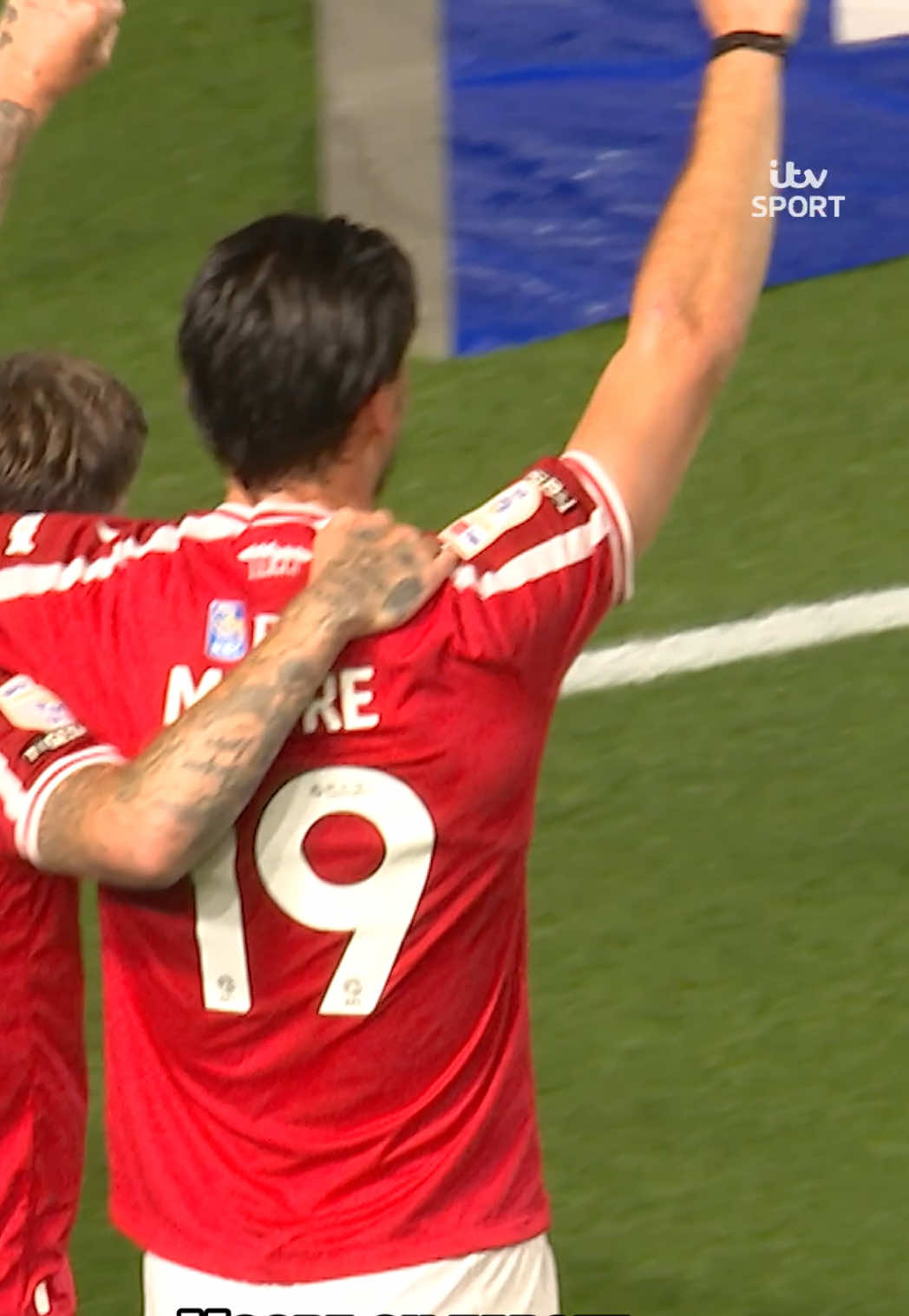
Lashed home by Kieffer Moore ☄️


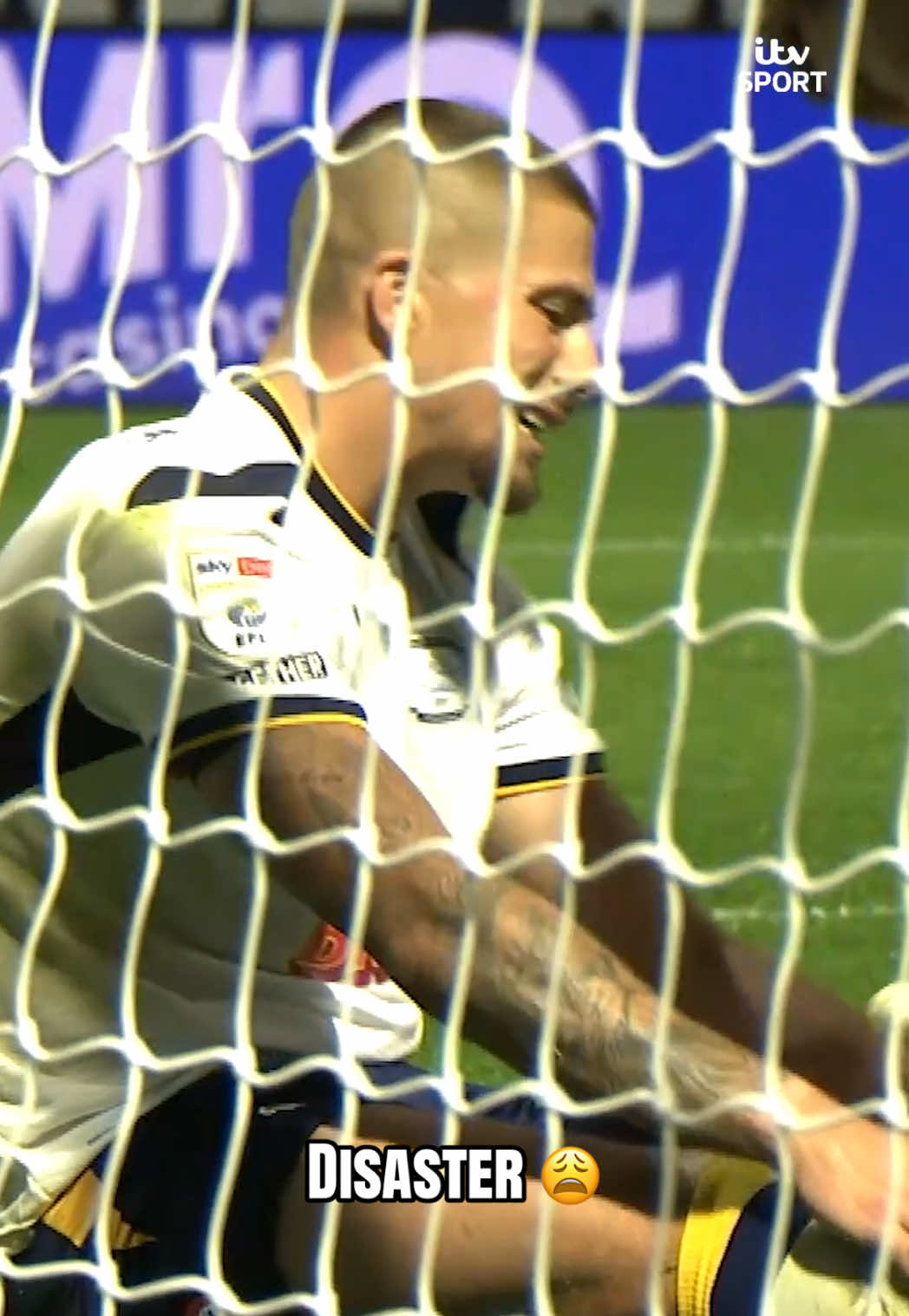
The saxophones are getting louder for Preston here…
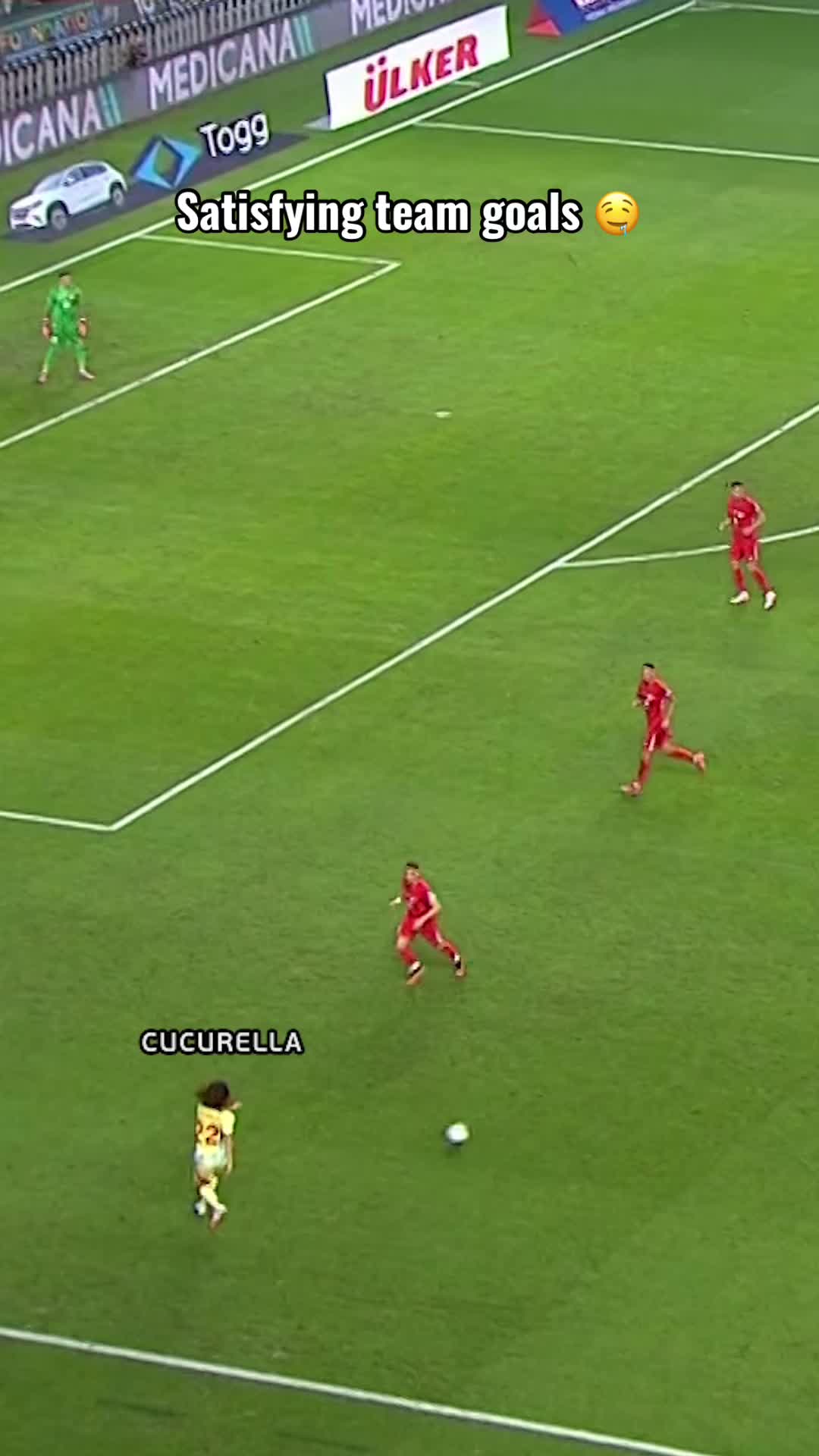
When football is simple but beautiful 😍
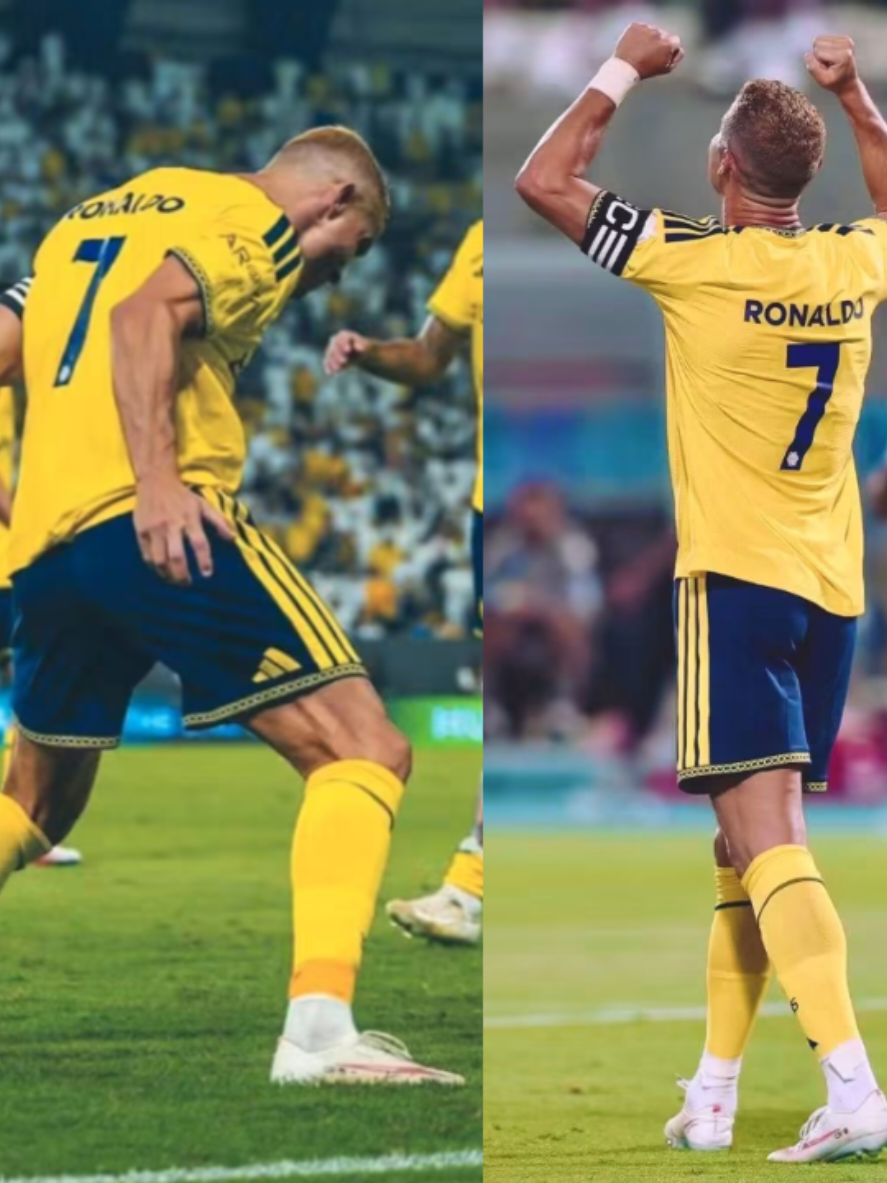
Cristiano Ronaldo is back on the quest for 1,000 goals, and these are his 977th and 978th goals.
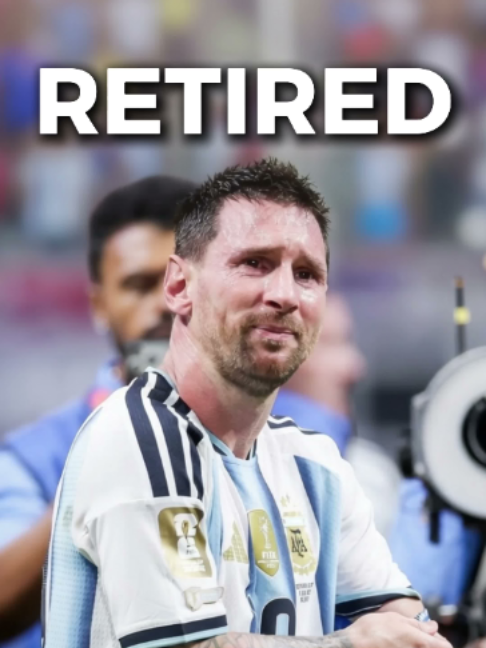
messi argentina retirement messi retiring messi edit
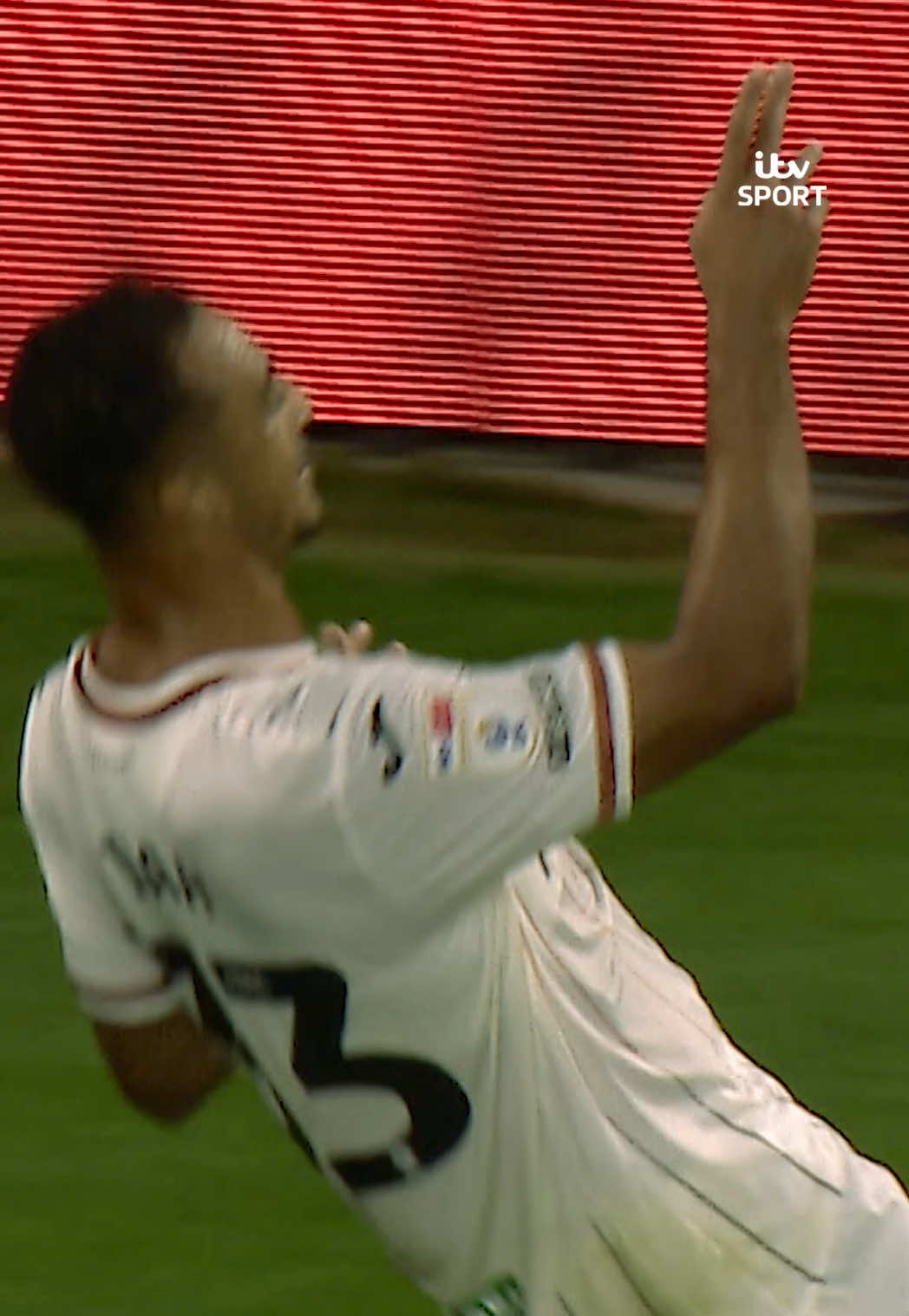
The Swans go TOP of the Championship 🦢
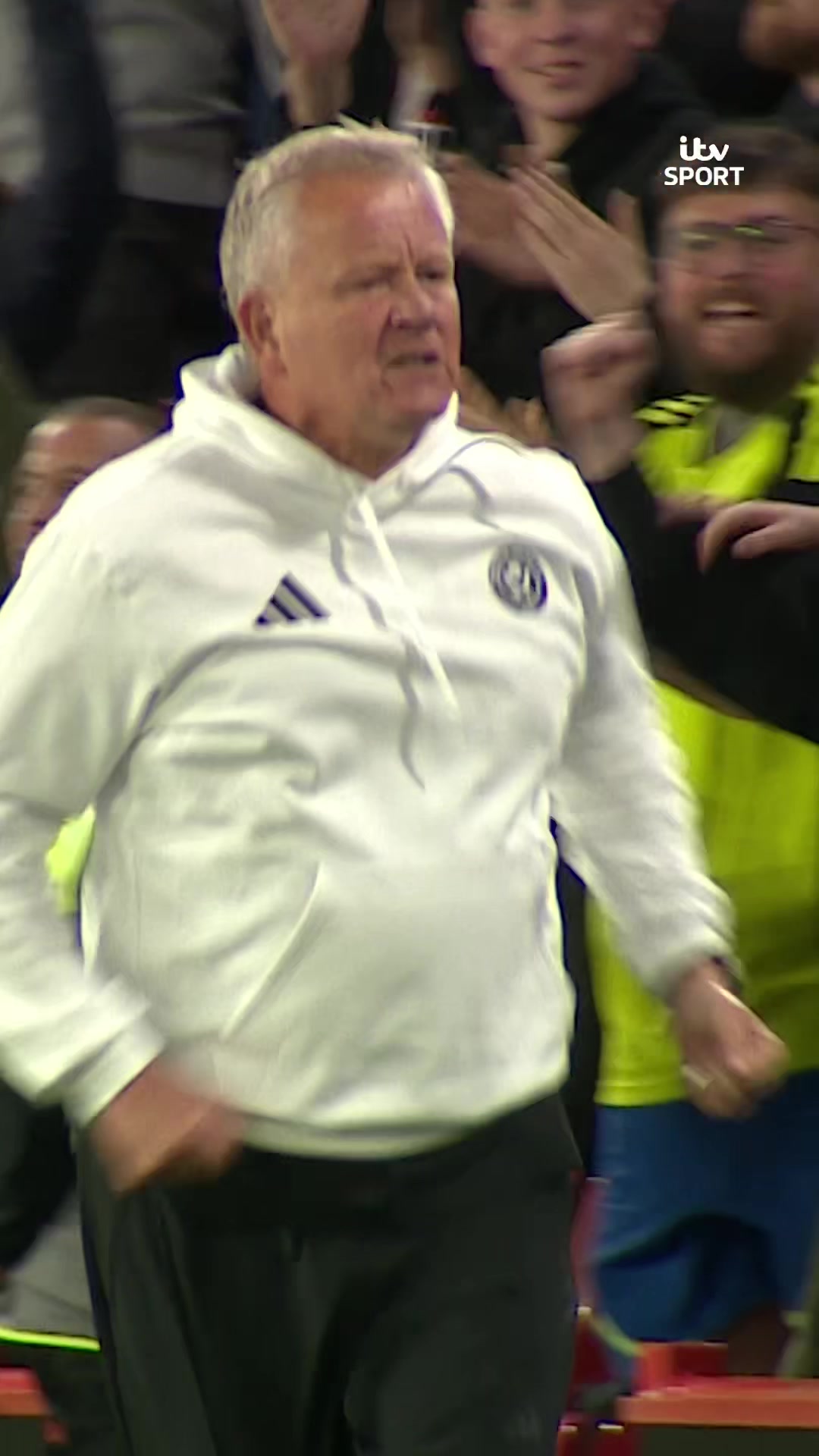
Sheffield United’s Romelle Donovan with an added time WINNER that sent Bramall Lane wild 🔥
 Links
Links
 Contact
 App
App


