



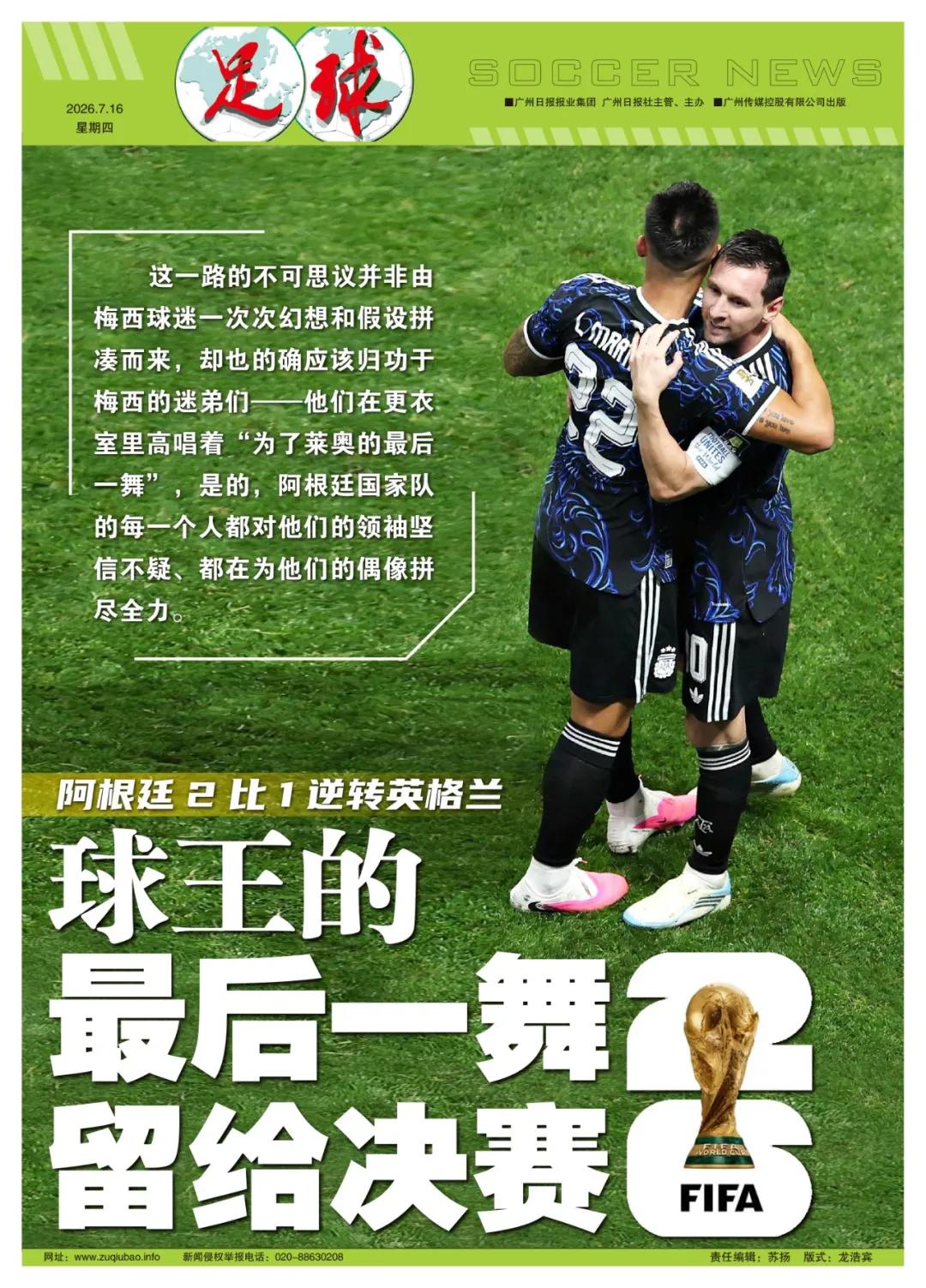
The "final dance" of the king of football at the World Cup must be reserved for the final.



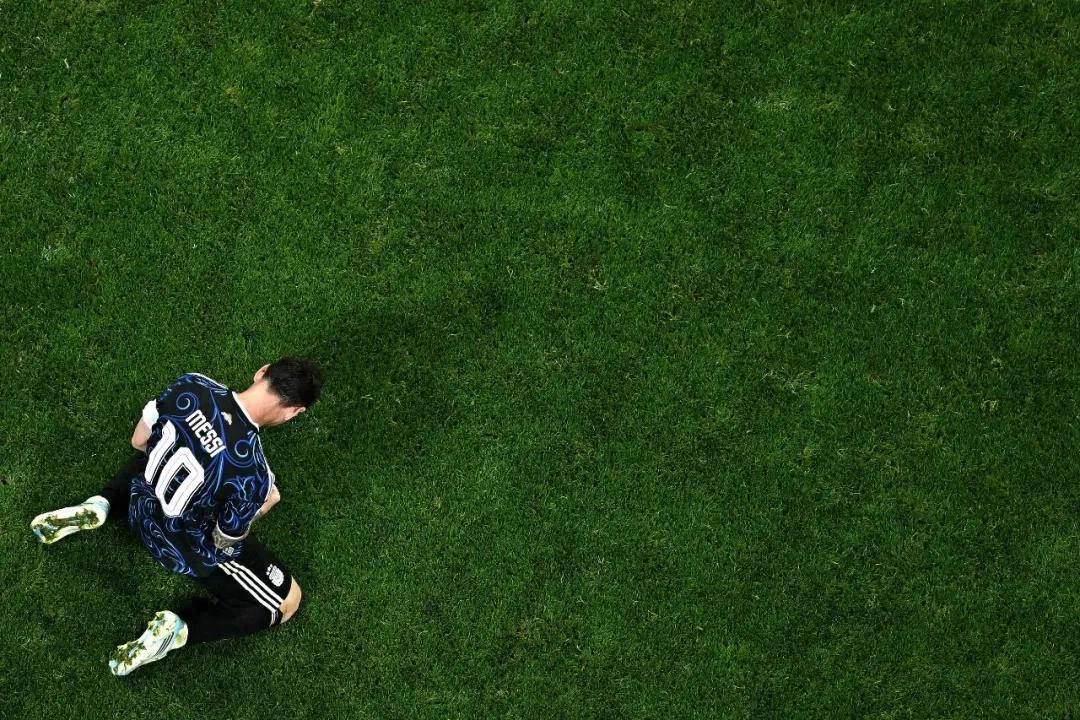
Written by Han Bing. When the ball kicked by Damián Martínez crossed the midfield line and the final whistle blew at the Atlético Stadium, Messi did not immediately rush to the camera to celebrate. However, the camera still locked onto the Argentine captain, who was kneeling alone in the center circle, punching the air in celebration, until he was overwhelmed by the Argentine substitutes swarming in. A 2-1 comeback victory over England, and the Argentines are just one step away from defending their title.
Can you believe it? A 39-year-old veteran, now valued at only €15 million, is about to embark on his third World Cup final journey. This incredible path is not pieced together by the fantasies and assumptions of Messi fans, but it should indeed be credited to Messi's admirers—they sang in the locker room, "For Leo's last dance." Yes, every member of the Argentine national team has unwavering faith in their leader and is giving their all for their idol.
If the 1986 World Cup was "Maradona's World Cup," then 40 years later, we might as well call the story of the United States/Canada/Mexico tournament the Argentine team's "World Cup for one person."

Although the English media complained that England gave up at the last moment, they had to admit that this Argentine team's World Cup journey was entirely fought for one person. Praise from opponents carries unique weight. *The Guardian* commented: "This World Cup's Argentina team exists for Messi. It's the same as the last one, but also different. This time, Messi is more relaxed and performs better." *The Guardian* believes that Messi's importance to the Argentine team in this World Cup is even greater: "Messi makes every other player on the team better. He brings a unique gravitational field, allowing his teammates to bask in the light radiating from it. He always plays with the most joy, because every match is Messi's match, and every day is Messi's day."
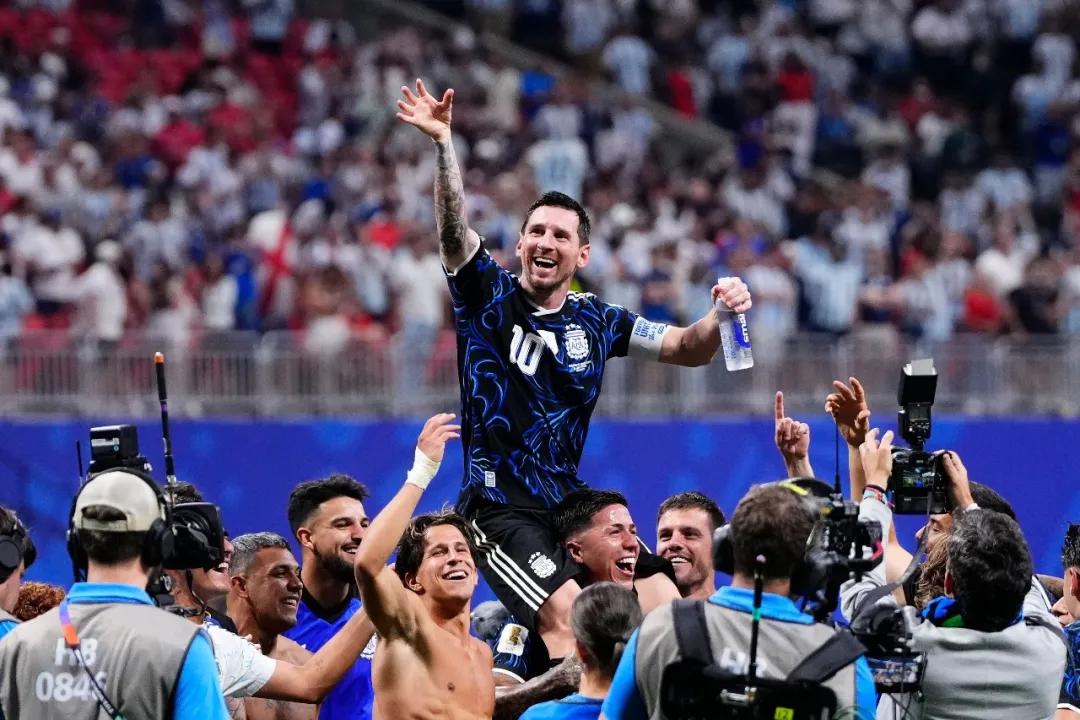
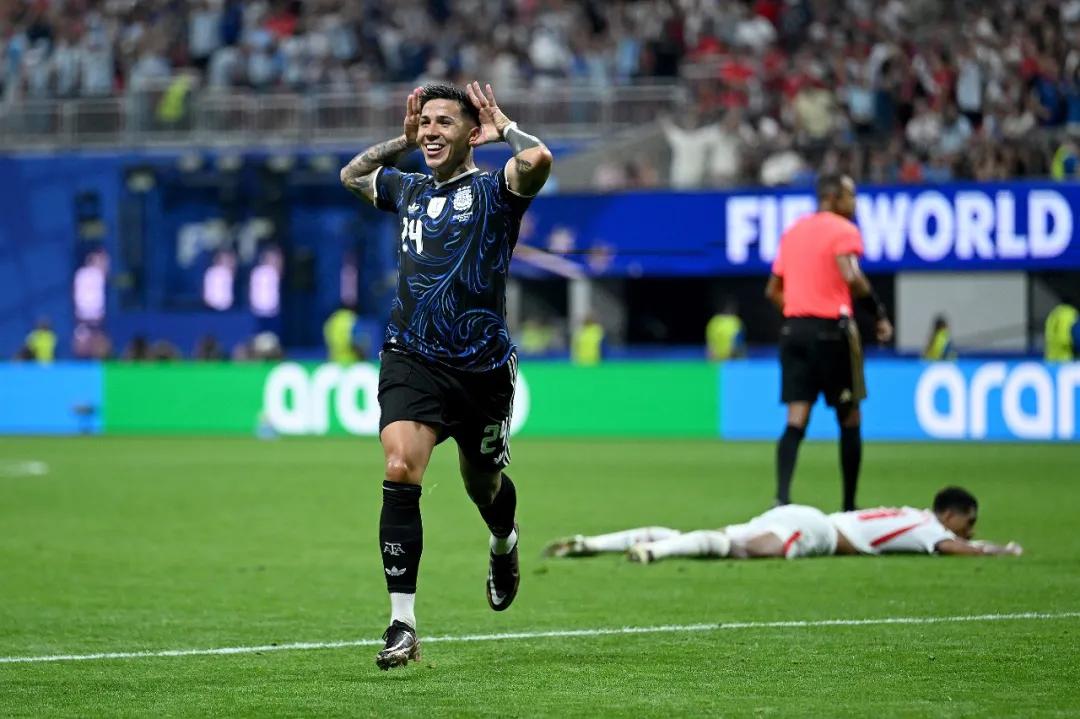
Four years ago, Scaloni's team fought for Messi to fulfill his World Cup dream. This time, the Albiceleste has been aiming from the start for Messi's World Cup "final dance," to end it in the most perfect way possible. Enzo, who scored the equalizer, carried Messi on his shoulders after the match. Lautaro, who scored the winner, felt fortunate to have "the best person in the world as a role model." Álvarez, De Paul, Paredes, and others have repeatedly stated, "We will give everything to help Messi win his second World Cup."
After the match, Messi revealed that he only decided last year to participate in another World Cup, aiming to win Argentina's fourth trophy. He prepared thoroughly, and the Argentine team is ready to fight for Messi again. As *The Daily Mail* columnist Holt put it: "This time, everyone wants to see as much of Messi's performance as possible, to be part of the final chapter of Messi's legend. Messi's legend is a snapshot of our football era. No one in Argentina wants it to end; no one wants to say goodbye."
Giovanni Simeone, who was kept as Scaloni's secret weapon and only started in the semifinal for the second time, shed tears after the match. He admitted that Messi moved him deeply: "He is 39 years old, already has everything a football player could dream of, yet he still maintains a hunger for glory." The Atlético Madrid winger, despite missing a good chance, perfectly exhausted the opponent in the first-half physical battle, laying the groundwork for "the true world's best right-back" to burst past Spence twice and deliver deadly crosses in the second half.
The 39-year-old Messi does not hide that he no longer has the stamina to run for the full 90 minutes, but his teammates compensate for his shortcomings with more running. Statistics show that Messi spends more than 60% of his time walking during this World Cup, the highest among all players. Yet, his offensive statistics remain among the top.
Messi's walking is not stagnation but information gathering. In the fleeting opportunities created by his teammates, he quickly finds solutions, completing breakthroughs, goals, or assists. When Messi walks more on the pitch, opponents become more confused, as it makes him harder to defend. His 8 goals and 4 assists in this World Cup are masterpieces of movement and space utilization, and his sudden bursts are almost unstoppable.
Any opponent who underestimates Messi pays a heavy price. Algeria, which did not assign a dedicated marker, became the first unlucky victim. Austria paid for their laxity in the arc area. Tuchel tried to defend for 20 minutes, but Messi, returning to his familiar corridor, assisted Enzo and Lautaro within 7 minutes to overturn England.
With 9 dribbles and 2 assists, Messi became the first player since 1966 (when statistics began) to achieve this feat in a single World Cup knockout match. Only Maradona in the 1986 World Cup (10 dribbles each against Uruguay and England) surpassed Messi. Messi's dribbles alone outnumbered England's entire team total (7). His touches in the penalty area (7) and chances created (4) also matched England's team totals. Additionally, he contributed a game-high 9 key passes. All of this is backed by the unconditional support and coordination of the entire Argentine team for Messi.
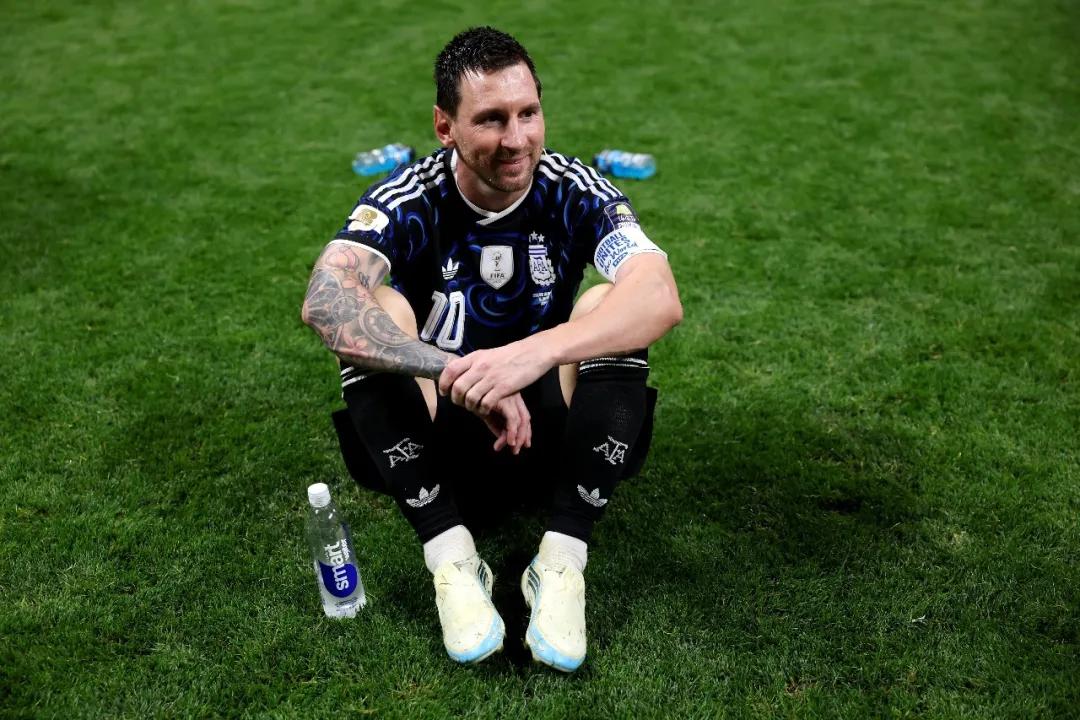

When the entire Argentine team is willing to give everything for him, what does Messi do? He trusts his teammates and takes on his own responsibilities—these trust and responsibilities go far beyond just 4 assists and 8 goals. "I never doubted our performance, not even for a moment did I think we would fail to reach the semifinals. When this team comes together, it always generates a unique power that transforms into extraordinary performances," Messi said after the match, giving the Argentine team an extremely high evaluation beyond outsiders' expectations.
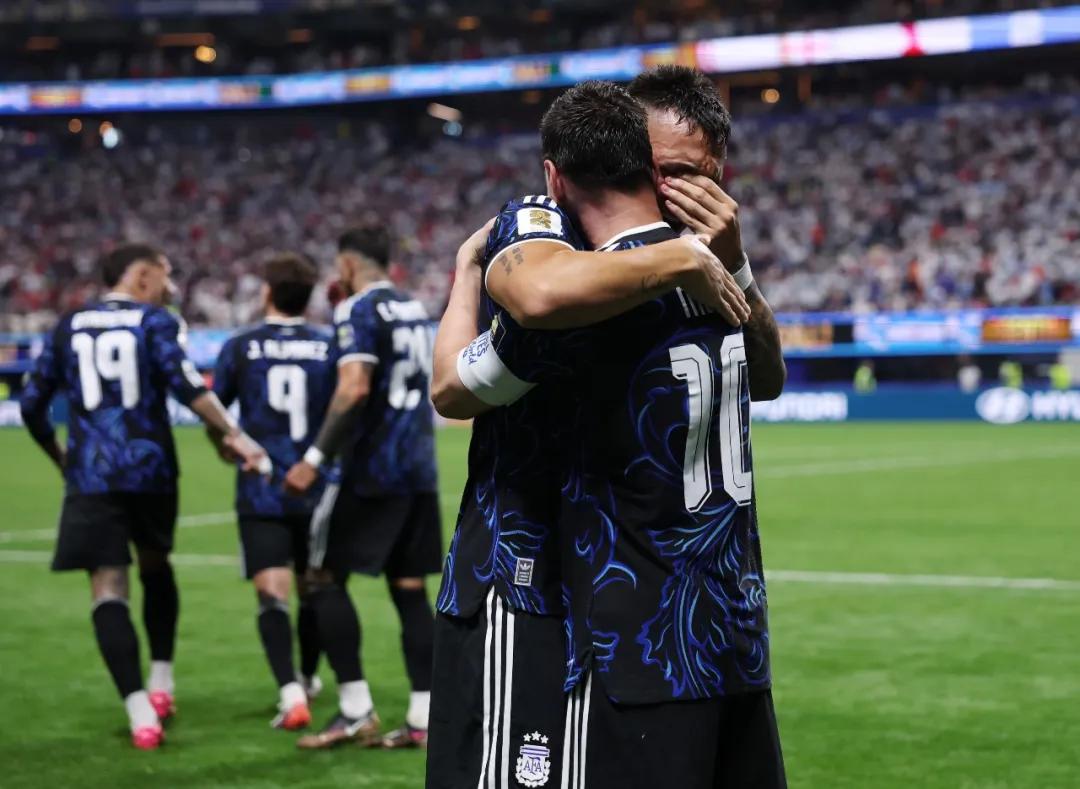
Leading Argentina to the World Cup final at the age of 39, Messi is certainly the decisive factor. But another Leo is the behind-the-scenes decision-maker enabling Messi to achieve peak statistics. After the semifinal, Argentine coach Leo Scaloni and Leo Messi embraced warmly, saying everything without words. Scaloni praised Messi by name after the match, but the primary credit for building the "Messi team" belongs to him.
Argentine journalist Nicolás's evaluation represents the mainstream view in Argentine football: "Scaloni's greatness lies in creating a new way to use Messi—a method that precisely releases his limited energy." In his view, Scaloni perfectly combines Messi's freedom and comfort with strict tactical discipline: Messi is responsible for creativity determined by talent, while others create a comfortable environment and save energy for him, while ensuring offensive and defensive balance.
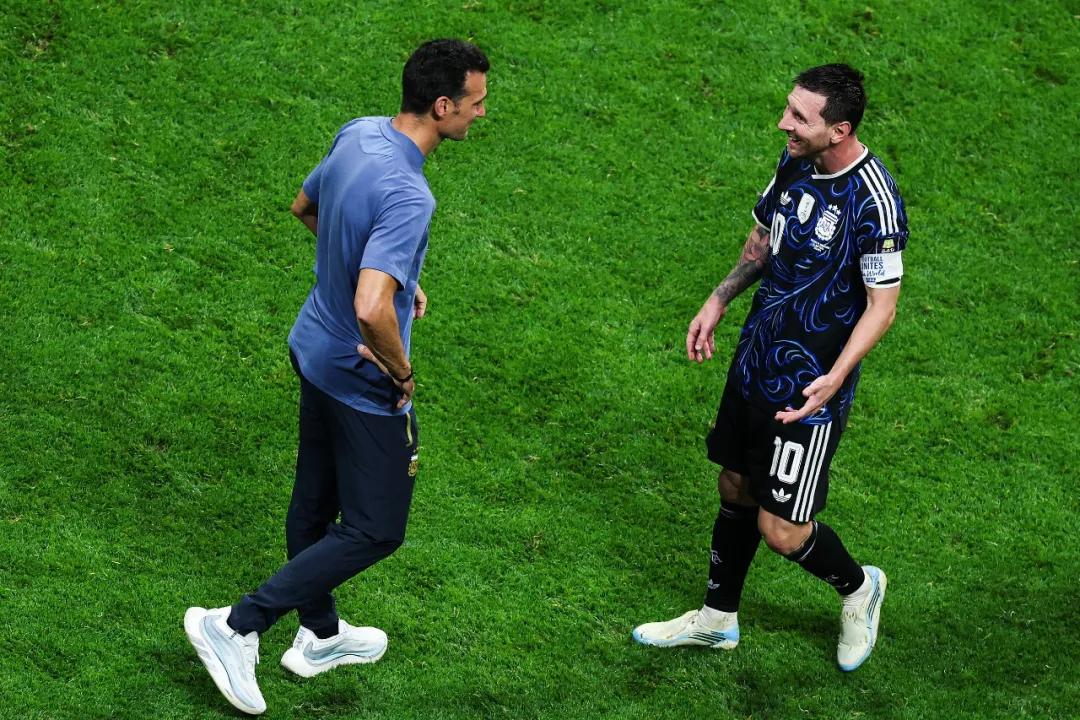
Nicolás revealed that Scaloni changed the belief of Argentine players. Although they have always insisted on "playing for Messi," Scaloni sees this mindset as better adjusted to "playing with Messi"—"This is a different team spirit. 'Playing for someone' and 'creating history together with him' are two different things. The latter gives players more motivation."
Scaloni's message to the other Argentine players: "Adapt to Messi's understanding of the game, rather than imposing a strict tactical template on him. Messi is not only the captain but also the tactical reference point for the team. Everything the Argentine players must do is to create more time and space for Messi, providing solutions for the team's lethal strike." Messi also highly认可 Scaloni's coaching approach: "Last year, he encouraged me to play another World Cup, and we talked for a long time. I've enjoyed this World Cup a lot; the team and I are very comfortable."
Football columnist Woodard compared this World Cup's Argentina team to the national team version of Atlético Madrid—10 "madmen" and 1 "genius" creating miracles together, a classic Atlético tactic. The only difference is that in Madrid, the "genius" is Griezmann, while in Argentina, it's Messi. Simeone emphasizes grit and courage at Atlético, and Scaloni does the same in Argentina. This Argentine team has as many as 5 Atlético players and 2 former Atlético players, with De Paul leading the "Atlético faction" bringing the grit and aggression of the red-and-white club.
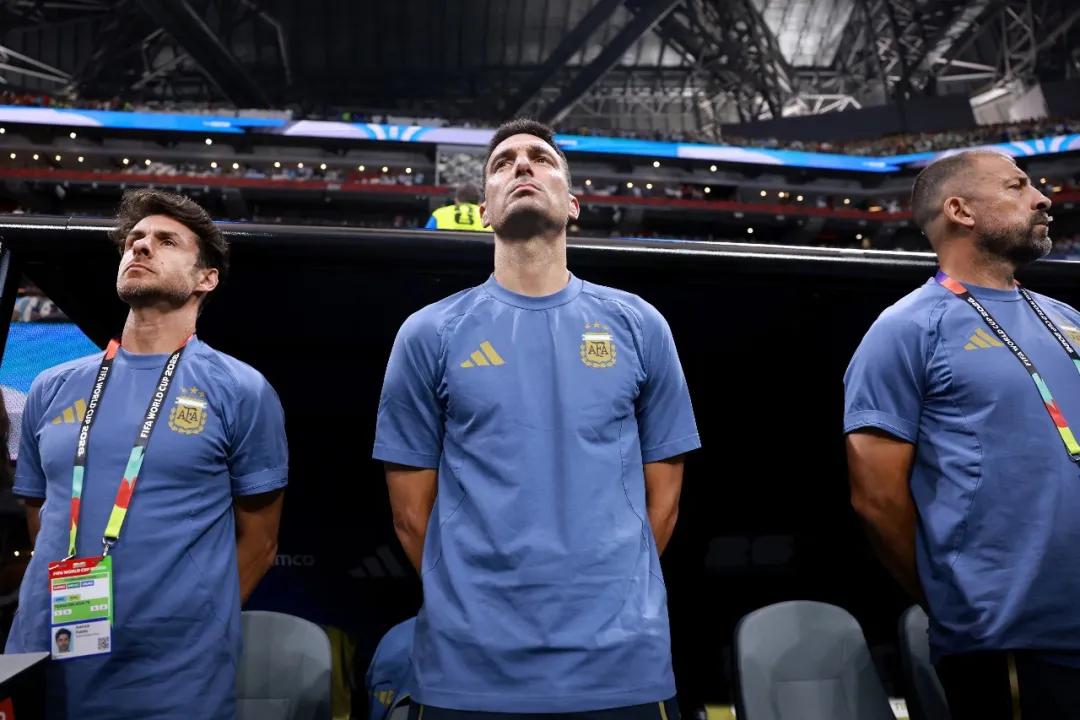
Although Scaloni and Simeone have different tactical philosophies—the former leaning toward Menotti's attacking football, the latter a follower of Bilardo with almost strict tactical discipline—Scaloni learned to integrate the two concepts in this World Cup. His coaching staff includes both the "Menotti faction" (Aimar) and the "Bilardo faction" (Samuel), which is proof. Argentina has become tougher and more pragmatic, with only one goal: to better serve Messi's creativity.
10 "madmen" and 1 "genius" playing together have created the current Argentine team, which, with the 39-year-old Messi as its core, can still reach the World Cup final. Now, they are just one step away from achieving the first World Cup title defense in 64 years—what the 29-year-old Maradona couldn't achieve, the 39-year-old Messi will try to accomplish.


Wonderfulshortvideo
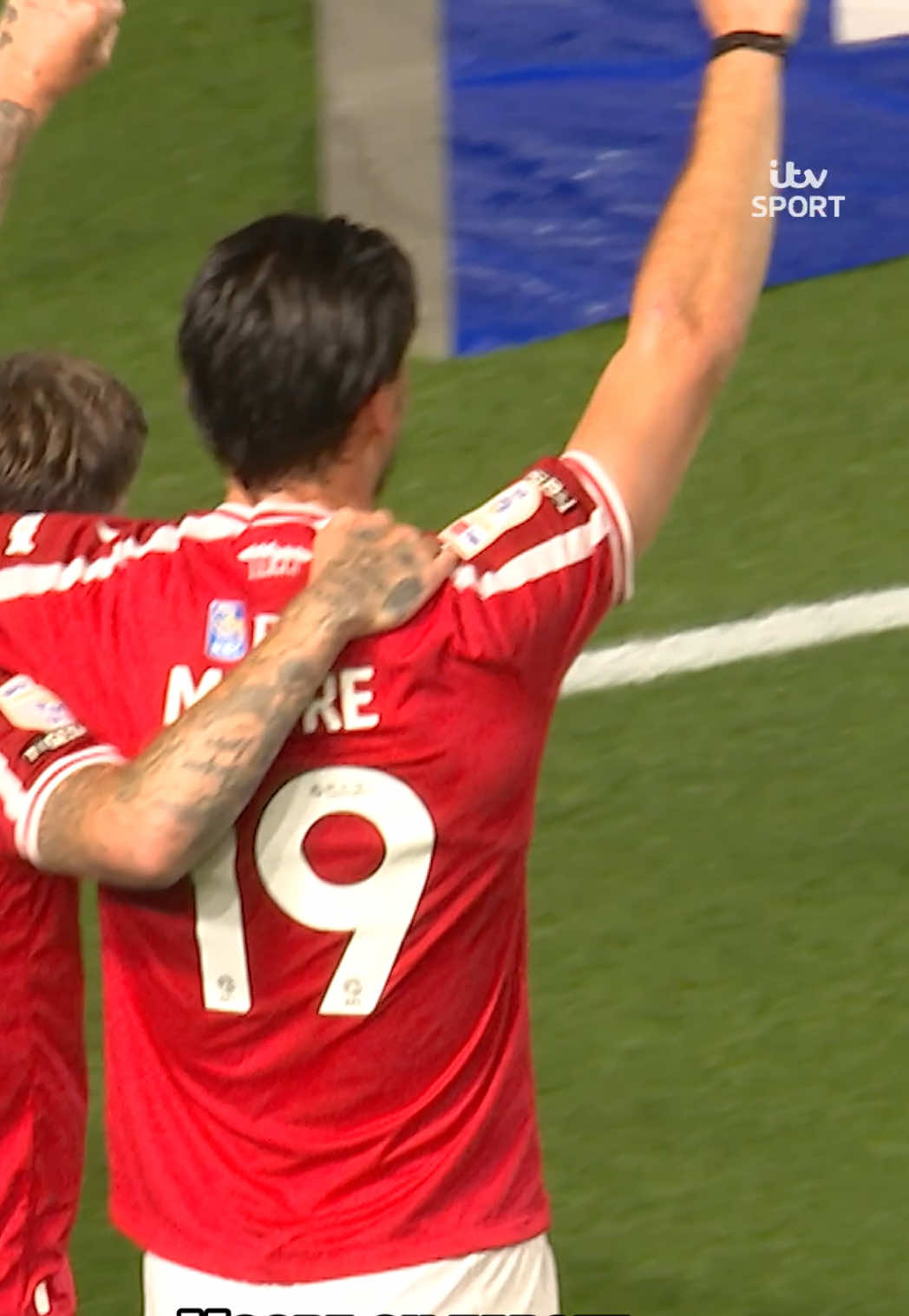
Lashed home by Kieffer Moore ☄️


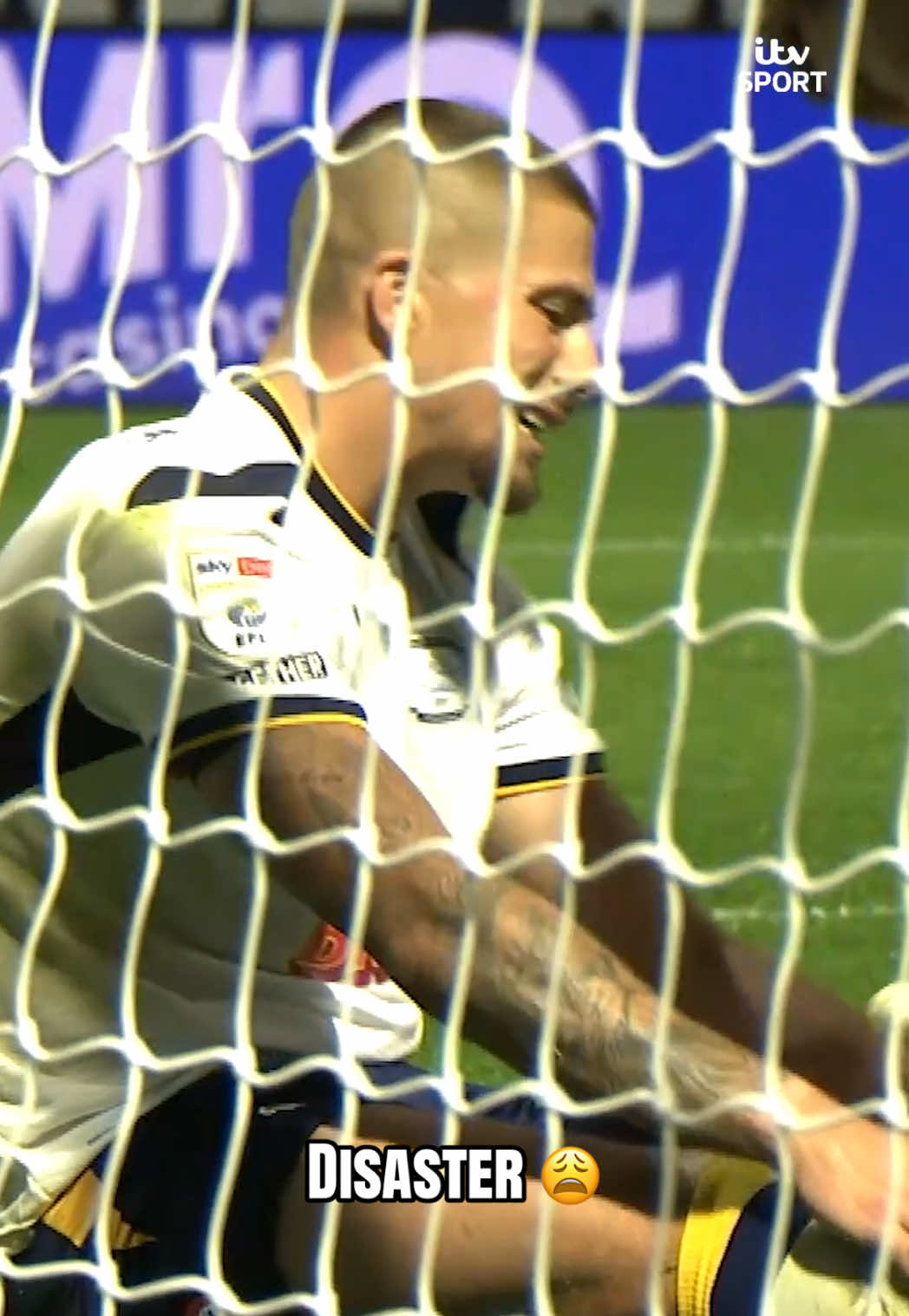
The saxophones are getting louder for Preston here…
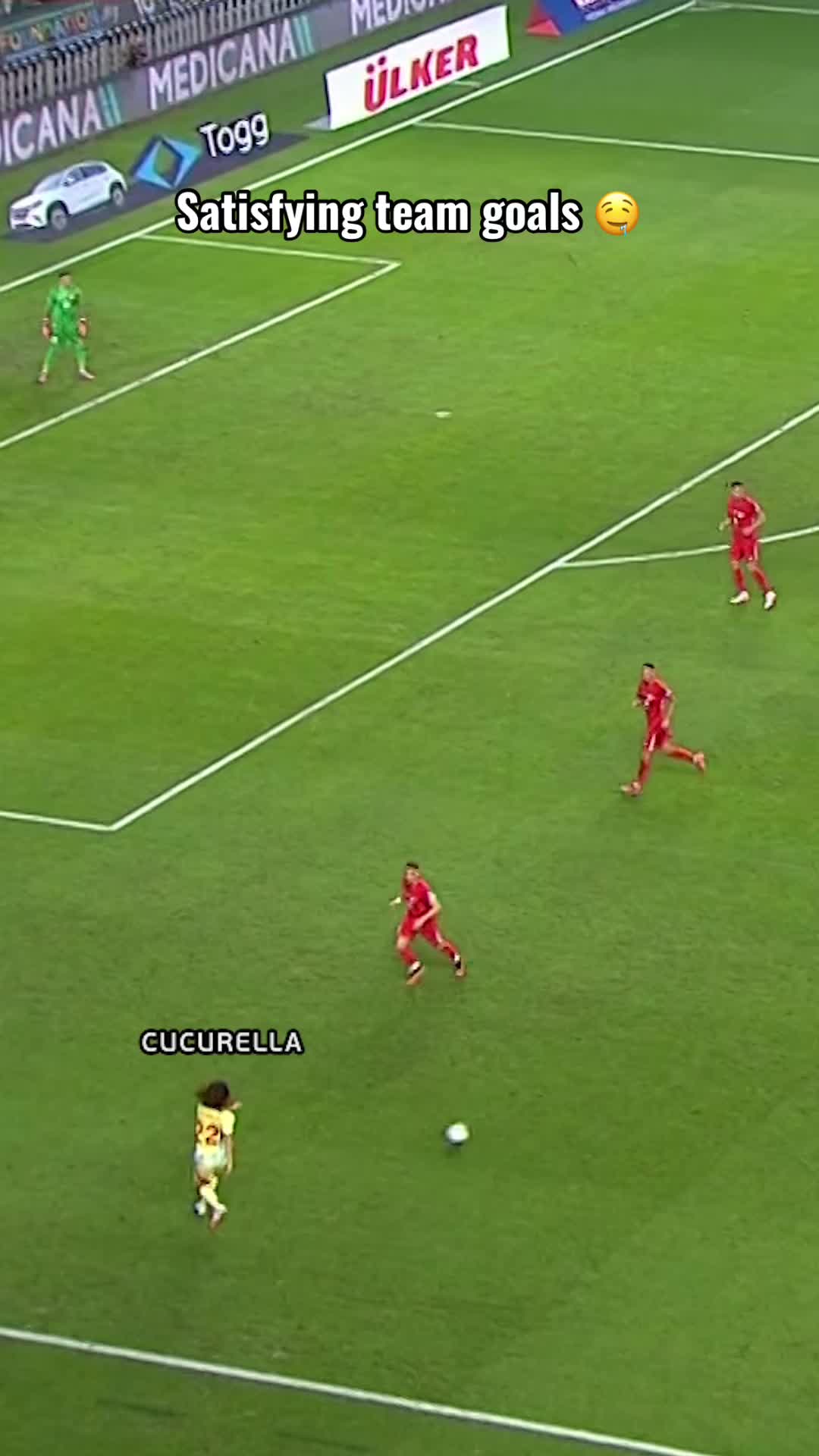
When football is simple but beautiful 😍
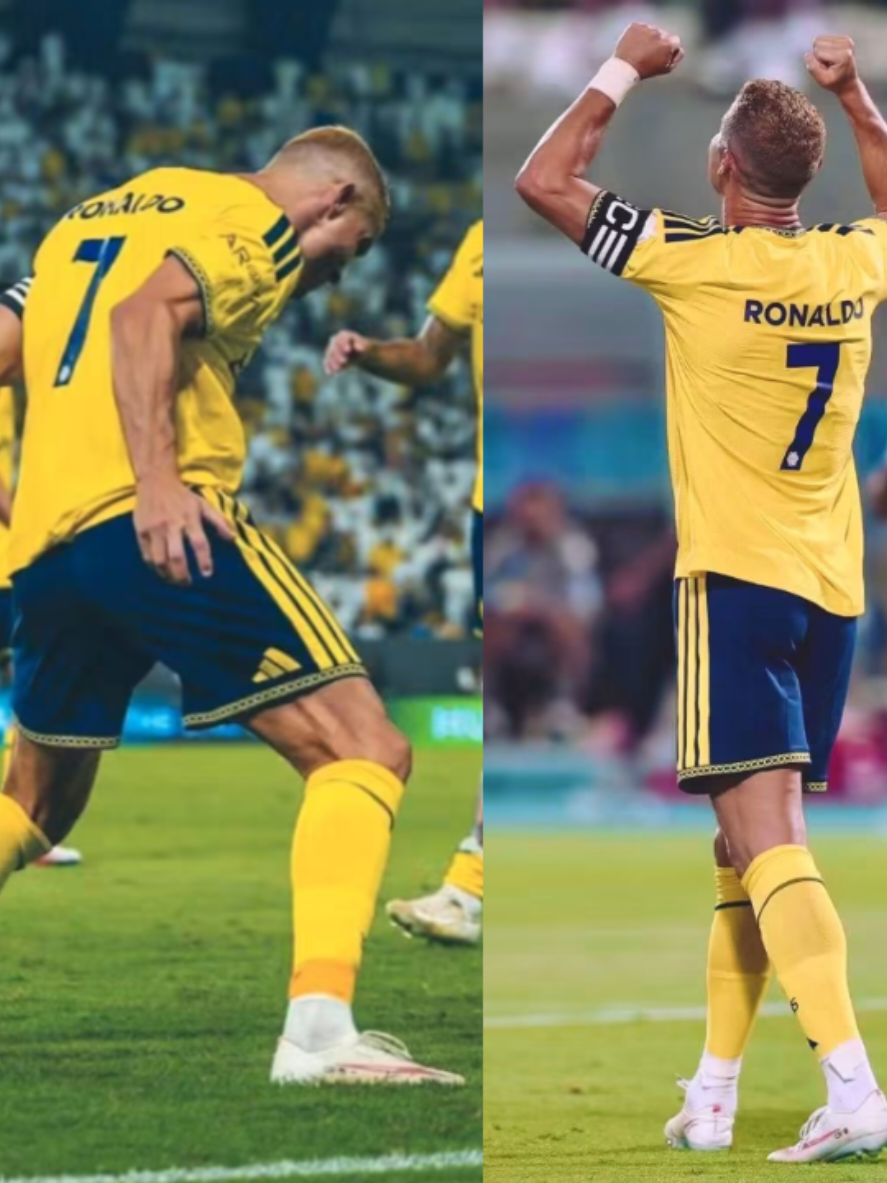
Cristiano Ronaldo is back on the quest for 1,000 goals, and these are his 977th and 978th goals.
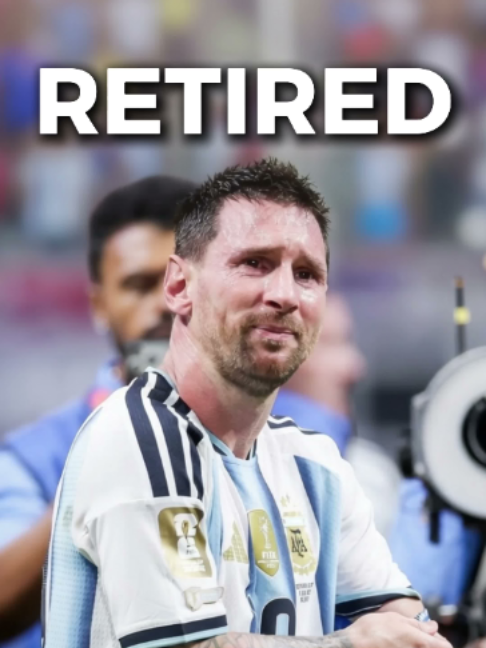
messi argentina retirement messi retiring messi edit
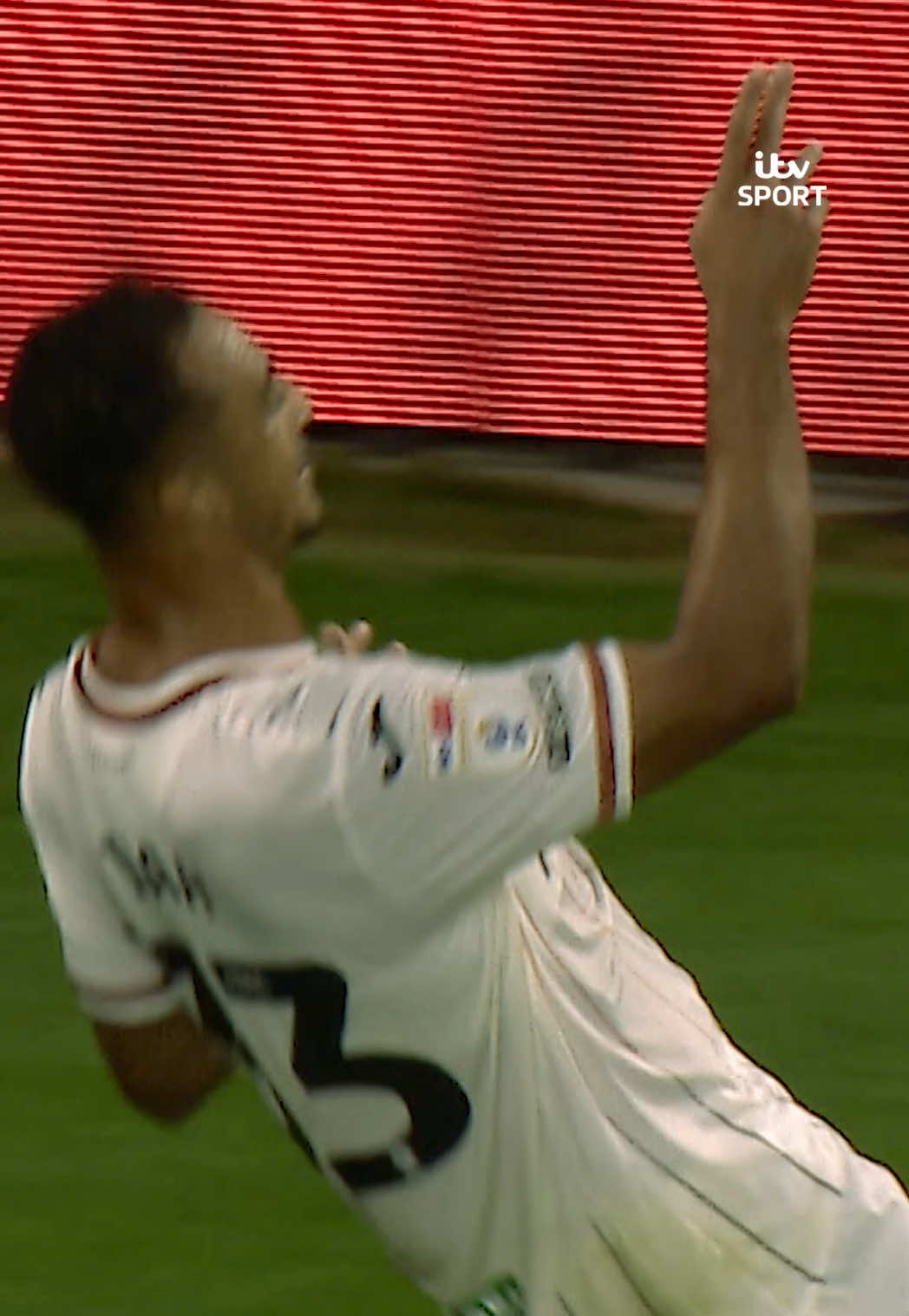
The Swans go TOP of the Championship 🦢
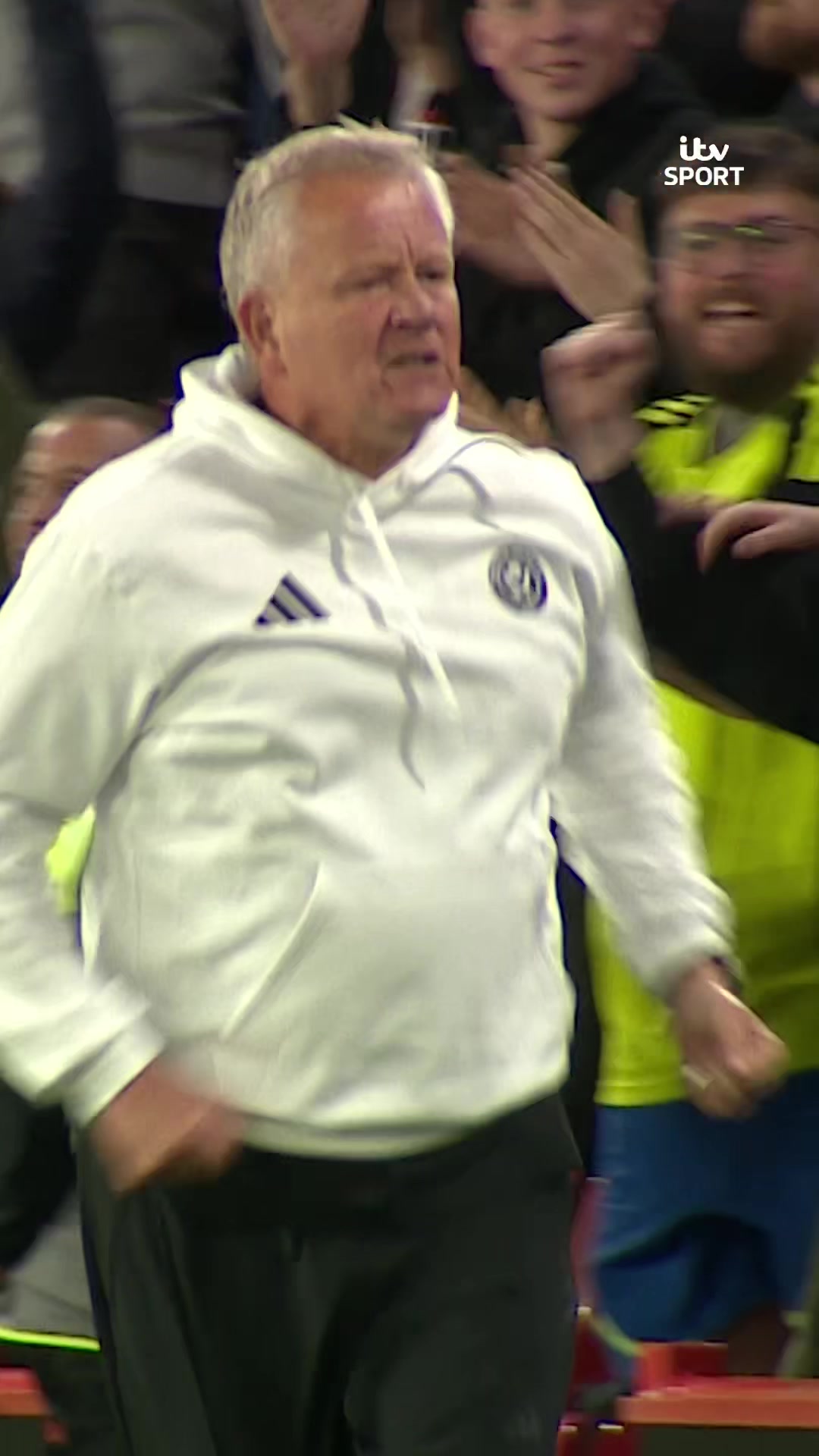
Sheffield United’s Romelle Donovan with an added time WINNER that sent Bramall Lane wild 🔥
 Links
Links
 Contact
 App
App


