



Northwest China focuses on the construction of football majors, seeking the convergence point of industry, academia, and research.



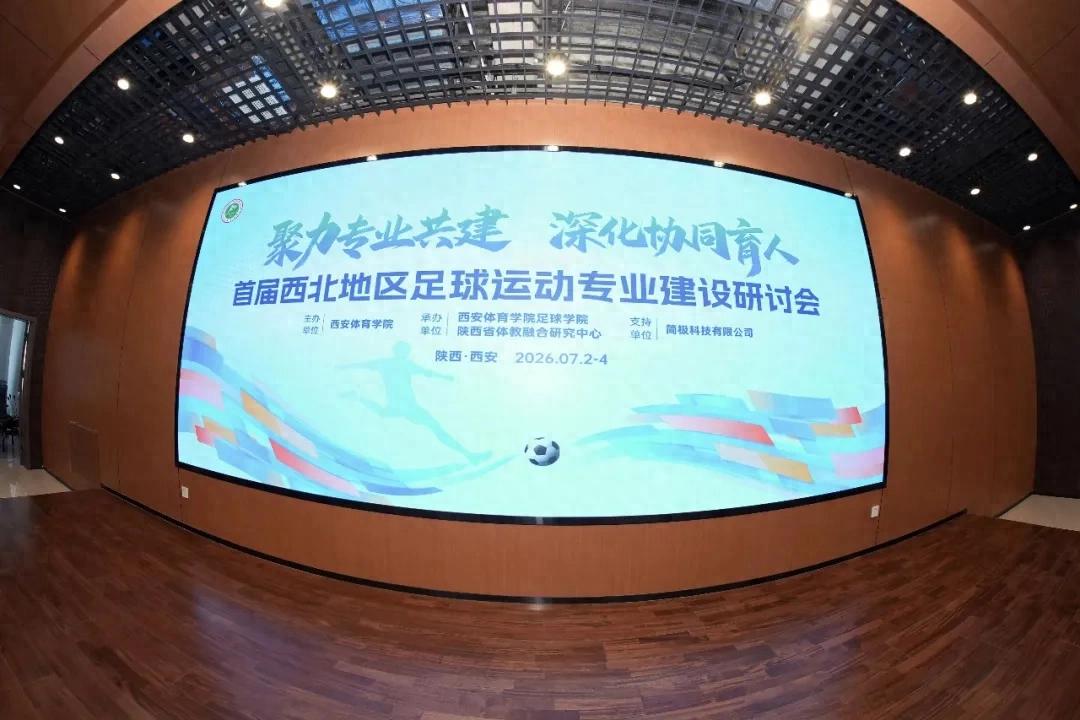
Written by Zuo Rui A recent academic symposium in Xi'an, the ancient capital, which focused on the construction of university football programs, has captured the interest of professionals and the academic community. Universities are the highest level of campus football, and Northwest football is a key component of Chinese football. Neither the universities nor the Northwest region are operating behind closed doors; they are inviting broad input on football and concentrating on the combined strength of industry, academia, and research.

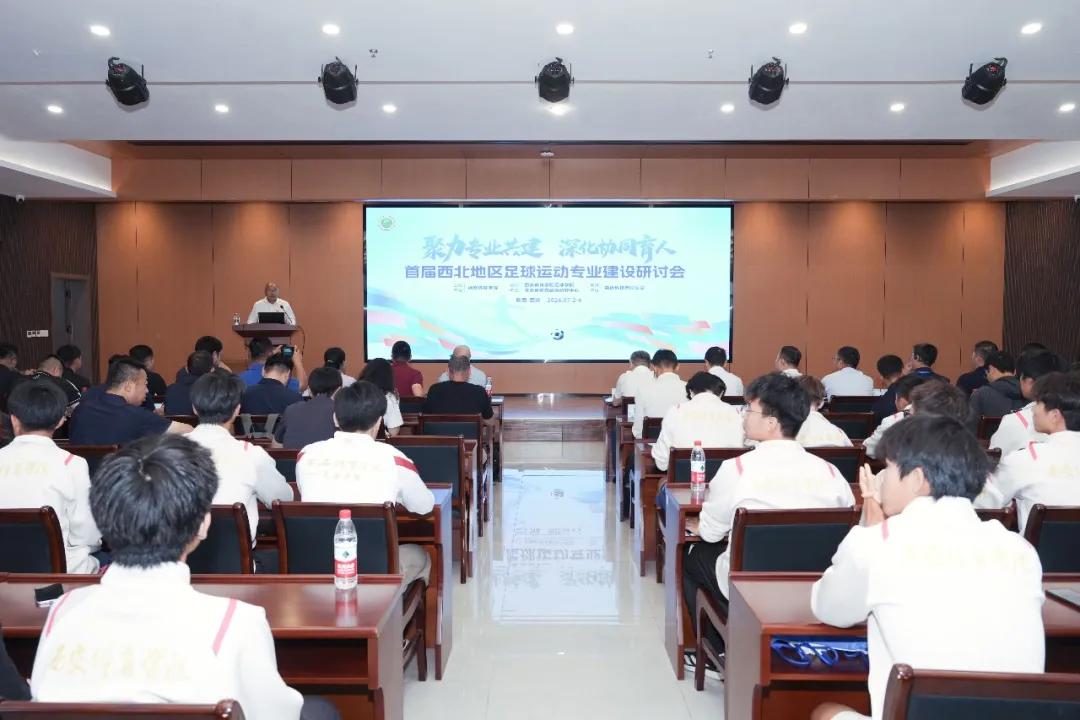
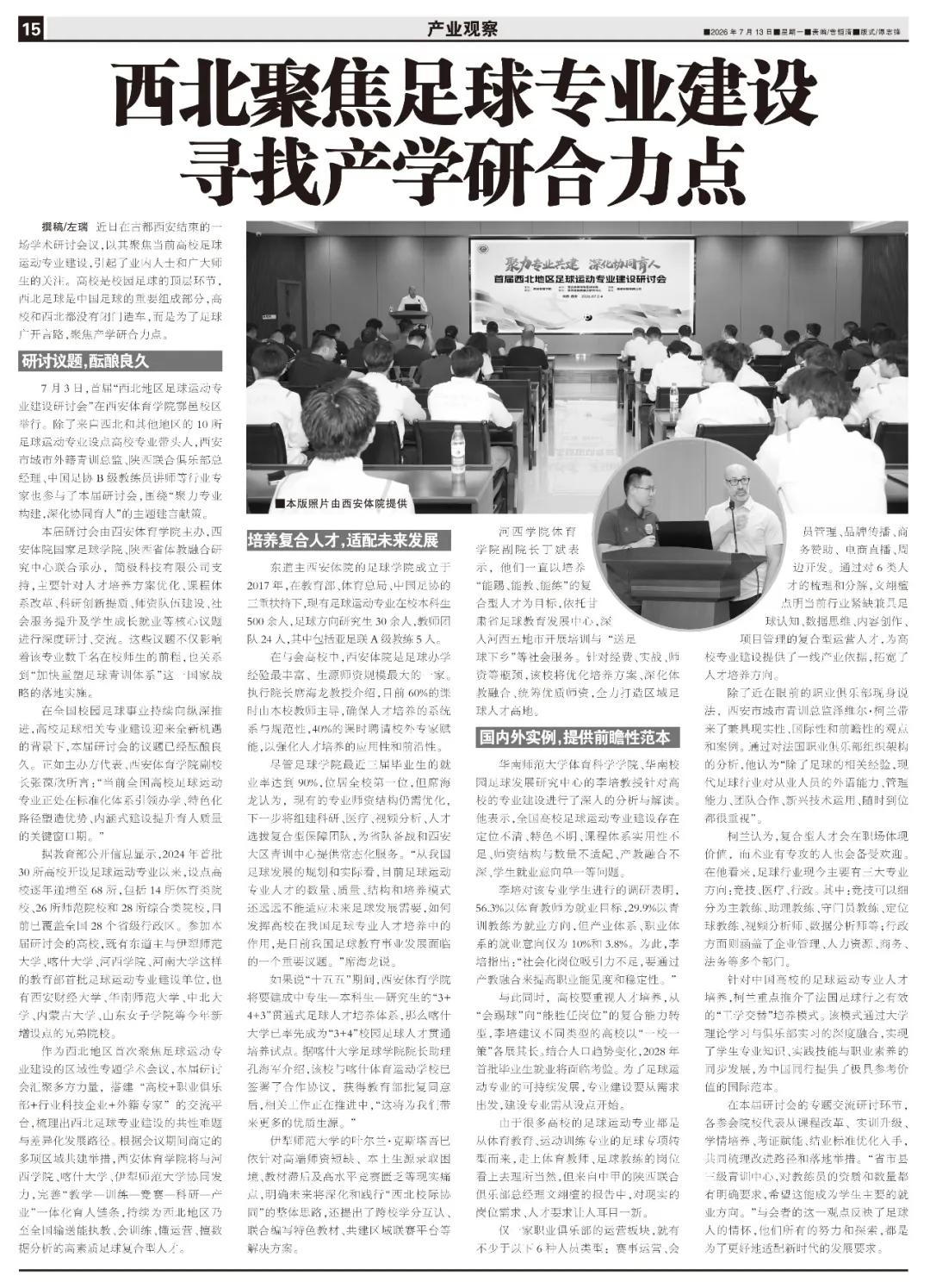
On July 3, the first "Northwest China Football Major Construction Seminar" was held at the Huyi Campus of Xi'an Physical Education University. In addition to program leaders from 10 universities in the Northwest and other regions that offer football majors, industry experts such as the foreign youth training director of Xi'an City, the general manager of Shaanxi Union Football Club, and a Chinese Football Association B-level coach instructor also participated in the seminar, offering suggestions and insights under the theme "Focusing on Professional Construction, Deepening Collaborative Education."
This seminar was hosted by Xi'an Physical Education University, co-organized by the National Football College of Xi'an Physical Education University and the Shaanxi Provincial Sports-Education Integration Research Center, and supported by Jianji Technology Co., Ltd. It focused on in-depth discussions and exchanges on core topics such as optimizing talent cultivation plans, reforming curriculum systems, improving scientific research quality, building faculty teams, enhancing social services, and student growth and employment. These issues not only affect the future of thousands of current students and teachers in this major but also relate to the implementation of the national strategy of "accelerating the reshaping of the football youth training system."
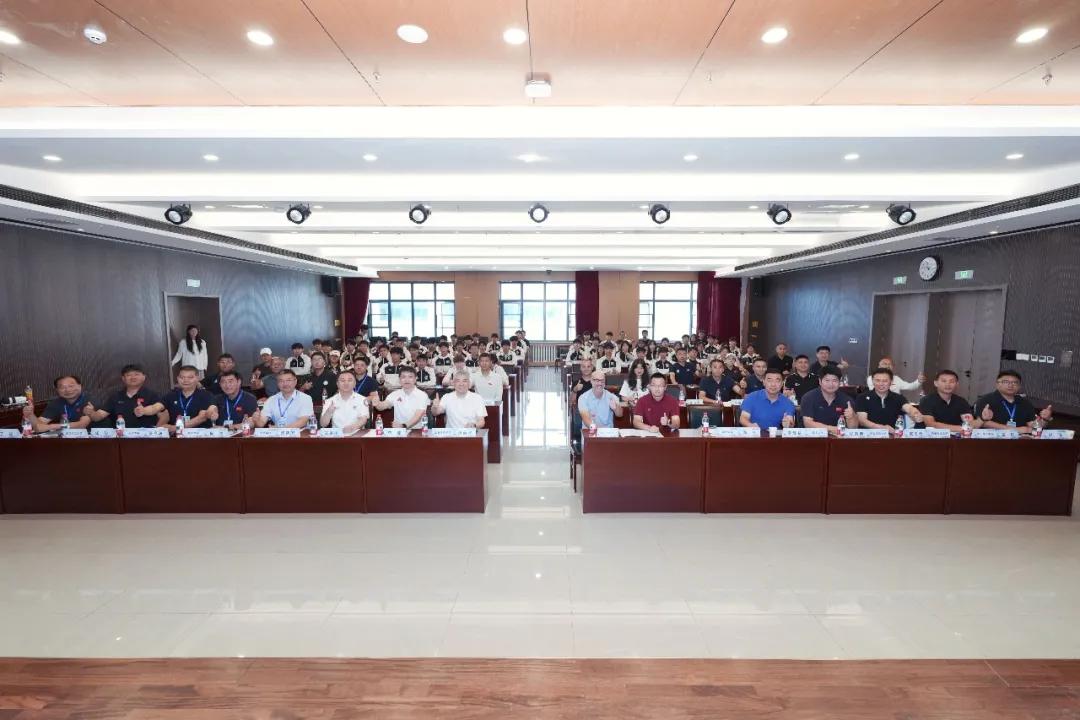
Against the backdrop of the continuous deepening of campus football nationwide and new opportunities for the development of university football-related majors, the topics of this seminar had been brewing for a long time. As Zhang Baoxin, the vice president of Xi'an Physical Education University and a representative of the host, stated: "Currently, university football majors across the country are at a critical window period characterized by standardized systems guiding education, distinctive paths creating advantages, and connotative development enhancing the quality of talent cultivation."
According to public information from the Ministry of Education, since the first batch of 30 universities launched football majors in 2024, the number of colleges offering this program has increased year by year to 68, including 14 sports institutions, 26 normal universities, and 28 comprehensive universities, covering 28 provincial-level administrative regions across the country. The universities participating in this seminar included both the host and the first batch of football major construction units designated by the Ministry of Education, such as Yili Normal University, Kashi University, Hexi University, and Henan University, as well as sister institutions that added the program this year, such as Xi'an University of Finance and Economics, South China Normal University, North University of China, Inner Mongolia University, and Shandong Women's University.
As the first regional academic conference in Northwest China to focus on the construction of football majors, this seminar brought together multiple forces, built a communication platform of "universities + professional clubs + industry technology companies + foreign experts," and identified common challenges and differentiated development paths for Northwest football professional construction. Based on several regional co-construction initiatives agreed upon during the conference, Xi'an Physical Education University will work together with Hexi University, Kashi University, and Yili Normal University to improve the integrated "teaching-training-competition-research-industry" talent cultivation chain, continuously supplying the Northwest region and even the whole country with high-quality football compound talents who can coach, train, manage operations, and excel in data analysis.

The football college of the host, Xi'an Physical Education University, was established in 2017. With triple support from the Ministry of Education, the General Administration of Sport, and the Chinese Football Association, it currently has over 500 undergraduate students in football majors, more than 30 graduate students in football-related fields, and a faculty team of 24, including 5 AFC A-level coaches.
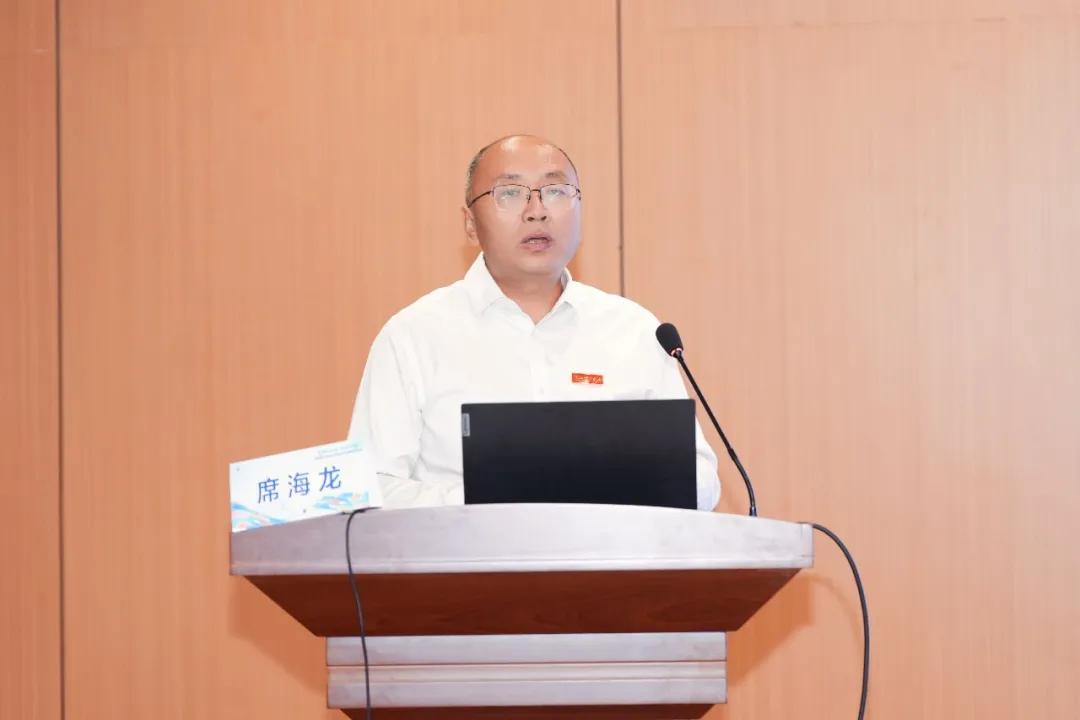
Among the participating universities, Xi'an Physical Education University has the richest experience in football education and the largest scale of student enrollment and faculty. Executive Dean Professor Xi Hailong stated that currently, 60% of the teaching hours are led by the university's own teachers to ensure the systematic and standardized nature of talent cultivation, while 40% of the teaching hours are outsourced to external experts to enhance the applicability and cutting-edge nature of talent training.
Although the employment rate of the last three graduating classes of the football college has reached 90%, ranking first in the university, Xi Hailong believes that the current professional faculty structure still needs optimization. The next step is to build a composite support team for research, medical care, video analysis, and talent selection, providing regular services for provincial team preparations and the Xi'an regional youth training center. "From the perspective of China's football development plans and reality, the quantity, quality, structure, and cultivation model of current football major talents are far from meeting the future needs of football development. How to leverage the role of universities in cultivating professional football talents in China is a significant issue facing the development of football education in our country," Xi Hailong said.
If during the "15th Five-Year Plan" period, Xi'an Physical Education University will build a "3+4+3" integrated football talent cultivation system covering secondary school, undergraduate, and graduate students, then Kashi University has already taken the lead in becoming a pilot for the "3+4" campus football talent integrated cultivation. According to Kong Haijun, assistant dean of the Kashi University Football College, the university has signed a cooperation agreement with Kashi Sports School, and after receiving approval from the Ministry of Education, the relevant work is progressing. "This will bring us more high-quality student sources," he said.
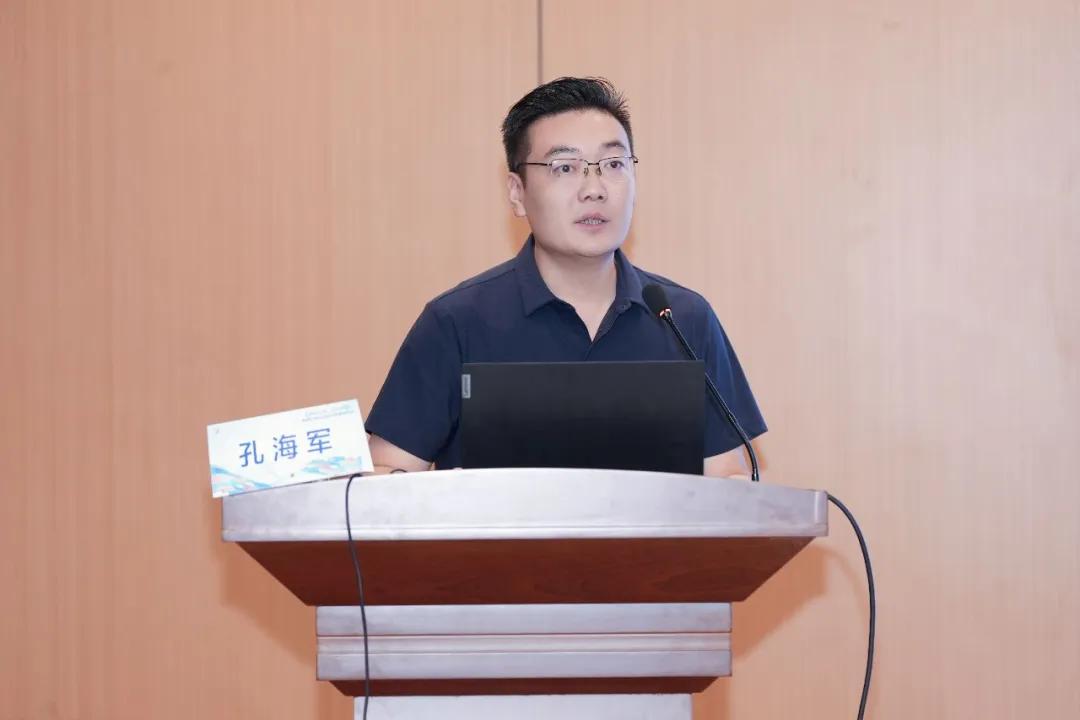
Yerlan Kestawubai from Yili Normal University, addressing practical pain points such as the shortage of high-end faculty, difficulties in enrolling local students, outdated textbooks, and a lack of high-level competitions, made it clear that the university will deepen and practice the overall concept of "Northwest inter-school collaboration." He also proposed solutions such as cross-school credit recognition, joint compilation of specialized textbooks, and the co-construction of a regional league platform.
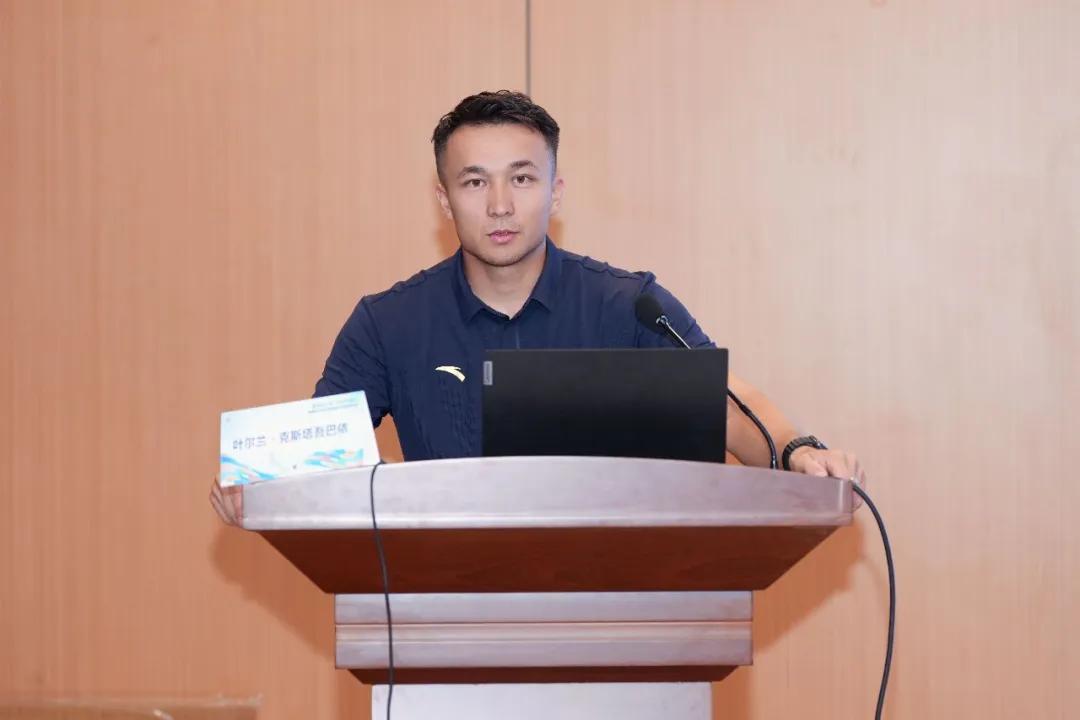
Ding Bin, vice dean of the School of Physical Education at Hexi University, stated that they have always aimed to cultivate compound talents who "can play, teach, and train." Relying on the Gansu Provincial Football Education Development Center, they have conducted training and "football to the countryside" social services across the five cities of the Hexi Corridor. To address bottlenecks such as funding, practical experience, and faculty, the university will optimize training plans, deepen the integration of sports and education, and coordinate high-quality faculty to build a regional football talent highland.
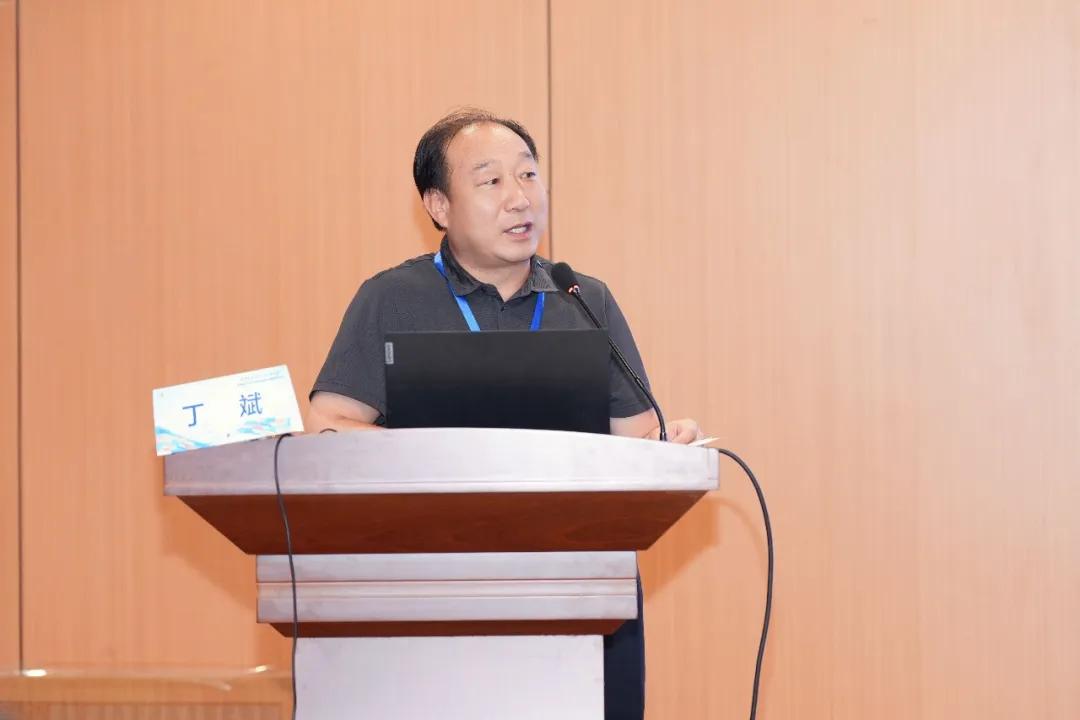

Professor Li Pei from the School of Physical Education and Sports Science at South China Normal University and the South China Campus Football Development Research Center conducted an in-depth analysis and interpretation of university professional construction. He stated that the construction of football majors in universities nationwide faces problems such as unclear positioning, lack of distinct characteristics, insufficient practicality of curriculum systems, mismatched faculty structure and quantity, shallow industry-education integration, and single employment intentions among students.
Li Pei's survey of students in this major showed that 56.3% aim to become physical education teachers, 29.9% target youth training coaches, but only 10% and 3.8% are interested in the industrial and professional systems, respectively. To address this, Li Pei pointed out: "Socialized positions lack attractiveness; we need to improve career visibility and stability through industry-education integration."
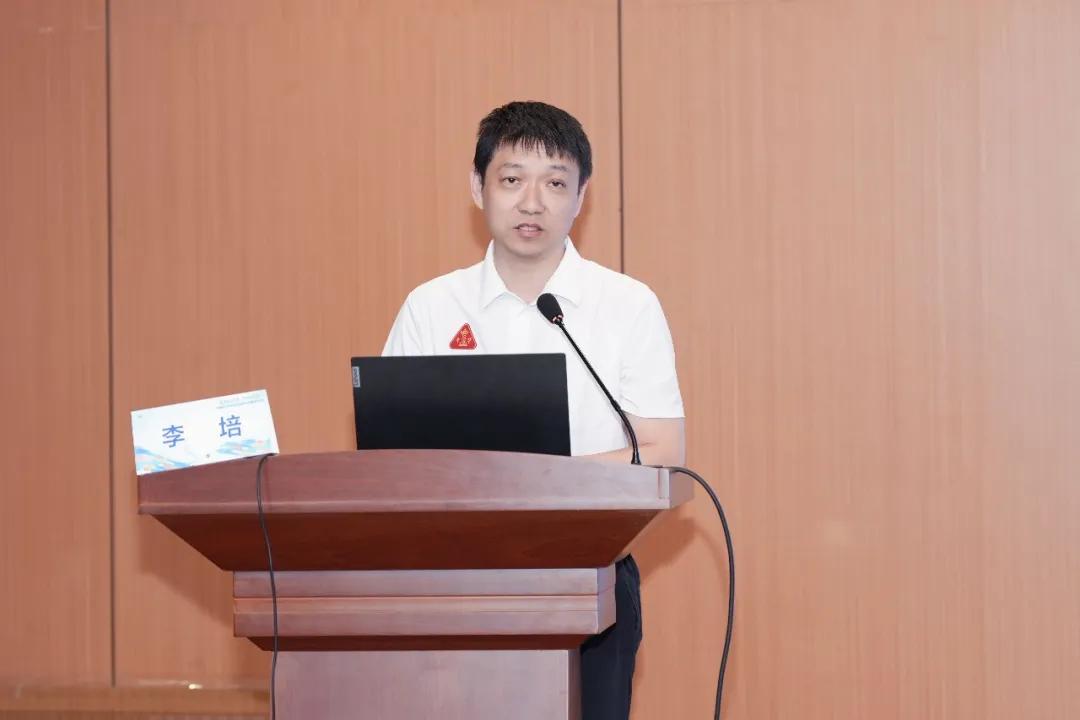
At the same time, universities should attach importance to talent cultivation, shifting from "being able to play football" to "being competent for positions" with compound skills. Li Pei suggested that different types of universities should leverage their strengths with a "one school, one policy" approach. Considering demographic trends, the first batch of graduates in 2028 will face employment challenges. For the sustainable development of football majors, professional construction should start from demand and begin with the establishment of programs.
Since many university football majors have evolved from the football specialization of physical education or sports training programs, it seems natural for graduates to become physical education teachers or football coaches. However, the report by Wen Yitan, general manager of the China League One club Shaanxi Union, provided a fresh perspective on actual job demands and talent requirements.
The operations department of a single professional club includes at least the following six types of personnel: event operations, membership management, brand communication, commercial sponsorship, e-commerce live streaming, and merchandise development. By analyzing and breaking down these six types of talent, Wen Yitan highlighted the current shortage of compound operational talents who possess football knowledge, data thinking, content creation, and project management skills, providing first-hand industry evidence for university professional construction and broadening the direction of talent cultivation.
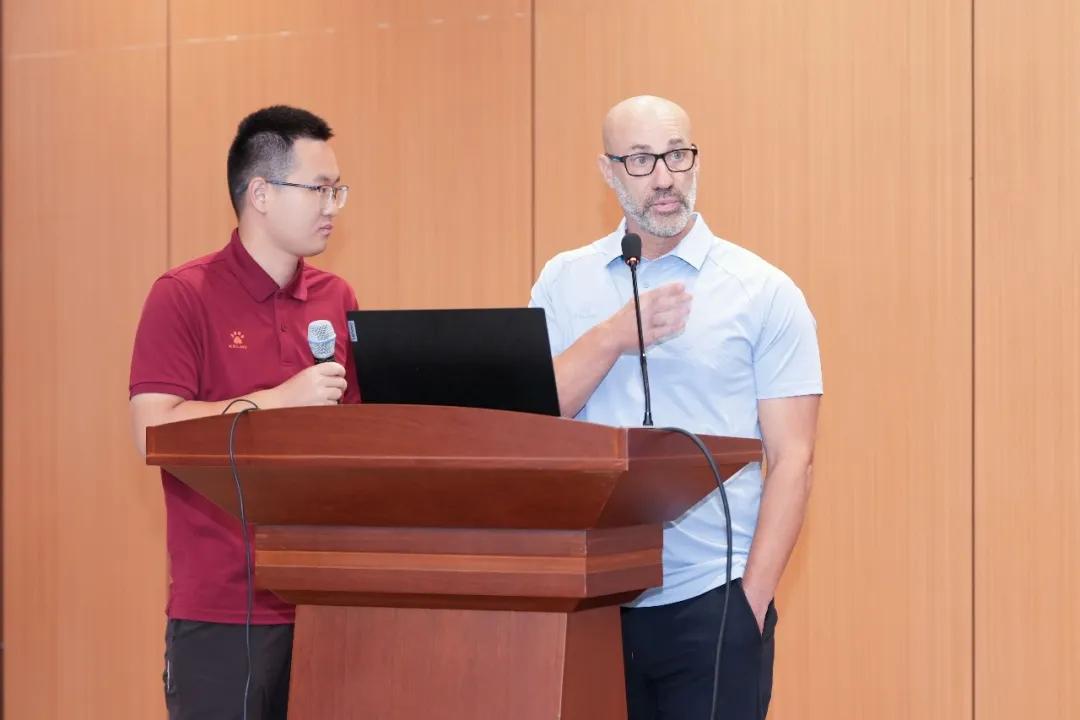
In addition to the firsthand experience from the local professional club, Xavier Collin, the youth training director of Xi'an City, brought forward viewpoints and cases that are realistic, international, and forward-looking. Through an analysis of the organizational structure of French professional clubs, he believed that "besides football-related experience, the modern football industry places high importance on employees' foreign language skills, management abilities, teamwork, application of emerging technologies, and readiness at all times."
Collin believes that compound talents will demonstrate their value in the workplace, while specialists in their fields will also be highly welcomed. In his view, the football industry currently has three main professional directions: competition, medical care, and administration. Among them, competition can be subdivided into head coach, assistant coach, goalkeeper coach, set-piece coach, video analyst, and data analyst; administration covers multiple departments such as corporate management, human resources, business, and legal affairs.
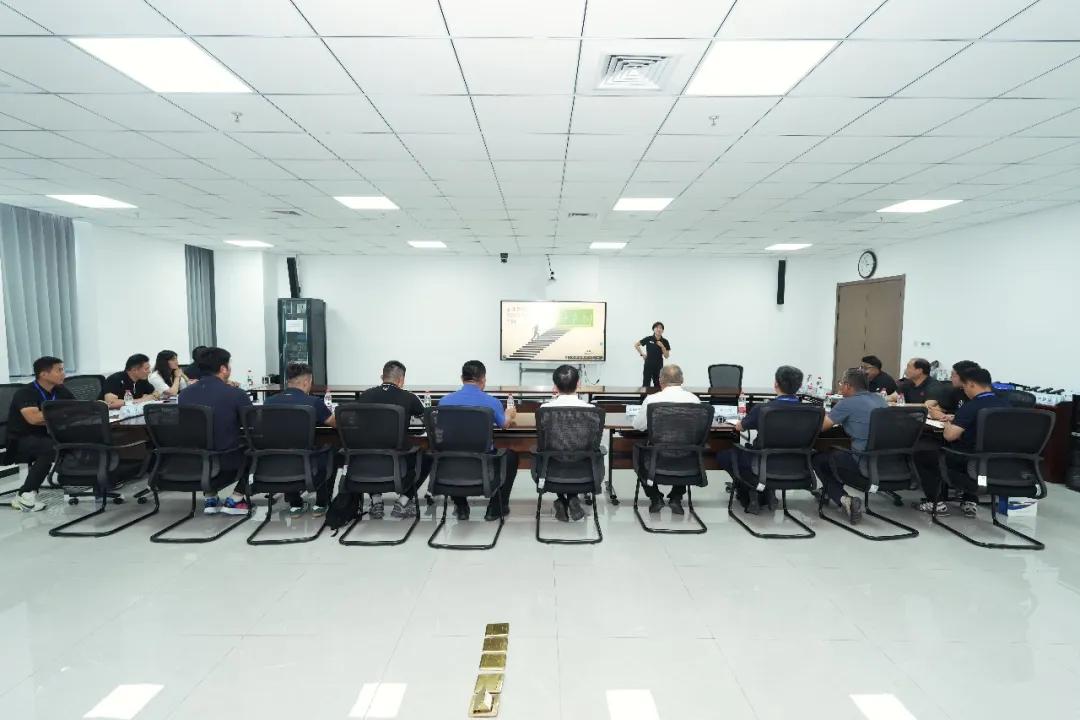
Regarding the cultivation of football major talents in Chinese universities, Collin specifically promoted the effective "work-study alternation" training model used in French football. This model, through the deep integration of university theoretical learning and club internships, enables students to develop their professional knowledge, practical skills, and professional qualities simultaneously, providing an international benchmark of great reference value for Chinese counterparts.
In the special exchange and discussion session of this seminar, representatives from participating universities jointly sorted out improvement paths and implementation measures, starting from curriculum reform, practical training upgrades, student learning situation cultivation, certification empowerment, and graduation standard optimization. "Provincial, city, and county-level youth training centers have clear requirements for the qualifications and numbers of coaches. We hope this can become the main employment direction for students." This viewpoint from participants reflects the passion of football people; all their efforts and explorations are aimed at better adapting to the development requirements of the new era.


Wonderfulshortvideo

Lashed home by Kieffer Moore ☄️


The saxophones are getting louder for Preston here…
When football is simple but beautiful 😍

Cristiano Ronaldo is back on the quest for 1,000 goals, and these are his 977th and 978th goals.
messi argentina retirement messi retiring messi edit
The Swans go TOP of the Championship 🦢

Sheffield United’s Romelle Donovan with an added time WINNER that sent Bramall Lane wild 🔥
 Links
Links
 Contact
 App
App


