



World Cup 2026: When the final whistle is just the beginning


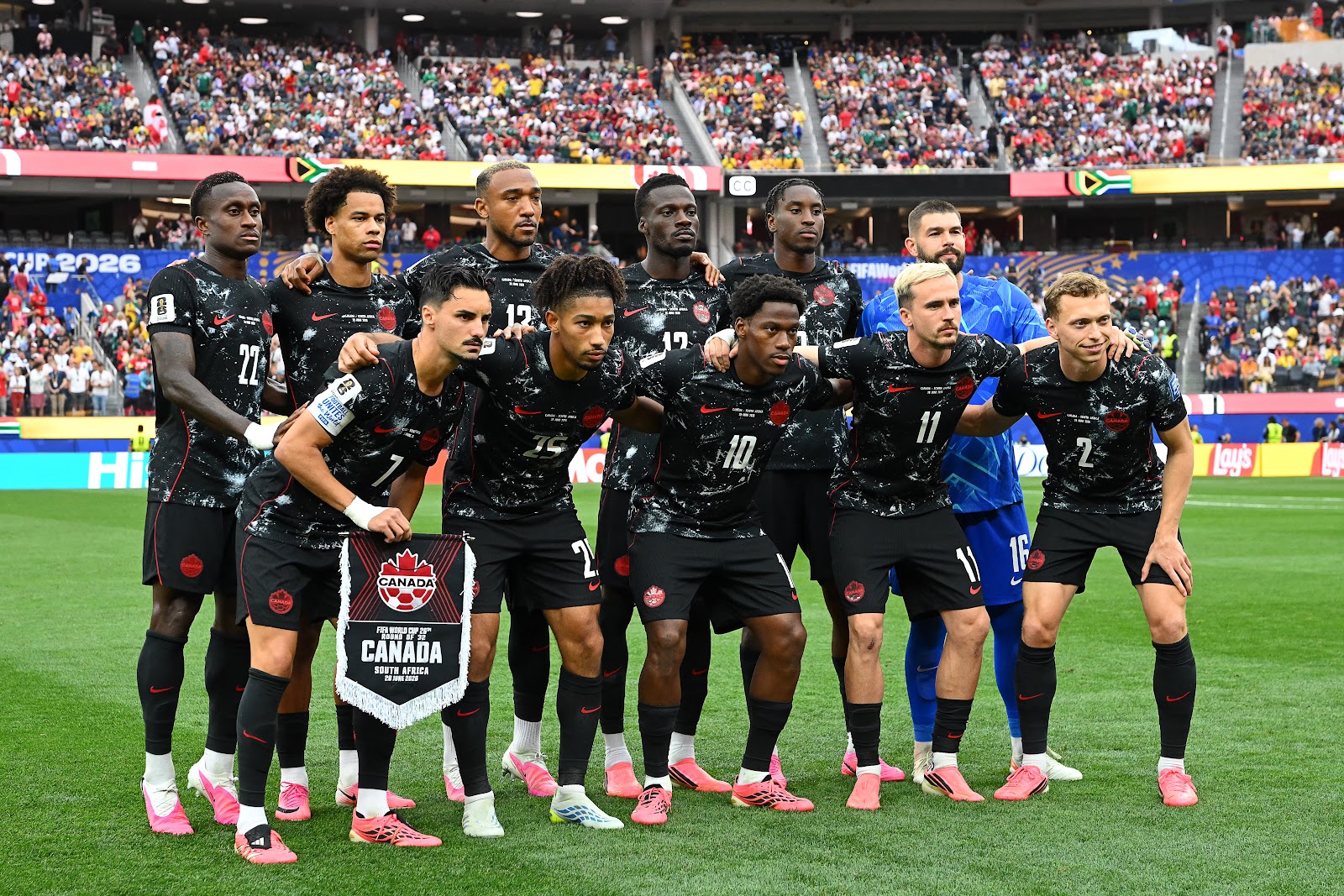
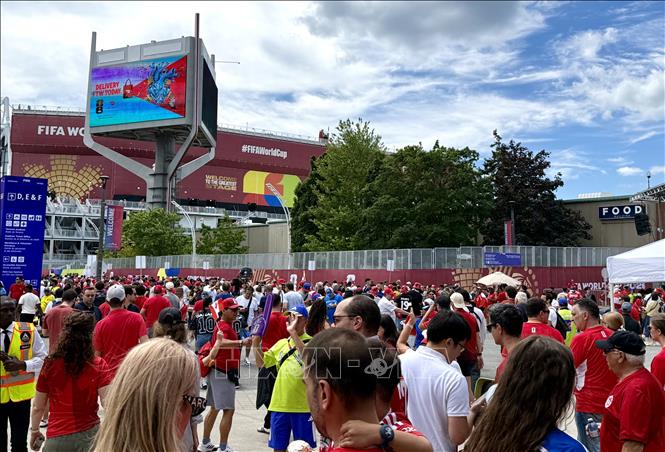
According to a TTXVN correspondent in Ottawa, for the first time in decades, soccer has truly become the centerpiece of Canada's sports culture. From Vancouver to Toronto, millions followed the matches, immersed themselves in a festive atmosphere, and passionately cheered for the national team. Images of citizens lining the streets to welcome players, red-and-white flags flying along roadways, and car horns sounding after each victory created a rare scene for a country traditionally seen as a hockey stronghold.
Canada Soccer CEO Kevin Blue believes the greatest value of the World Cup lies not just in match results but in the shift in how people perceive the sport. According to him, the way host cities Vancouver and Toronto transformed to rally behind the national team provided immense motivation for the players—especially those who grew up in these very communities.
However, emotion alone is only the starting point. The real challenge for Canadian soccer is to maintain fan interest after the World Cup ends and to convert this wave of enthusiasm into a foundation for sustainable growth. That is why Canada Soccer has identified the National Training Centre as the most important legacy project following the World Cup. It is expected to become the first true "home" for Canadian soccer, serving the national team, training young players, coaches, referees, supporting sports science research, sports medicine, and community development programs.
According to estimates, the project requires an investment of approximately CAD 250–300 million (USD 178–213 million), sourced from multiple channels including the World Cup legacy fund, government budgets, corporations, sponsors, charitable organizations, and local communities. The Canadian government has committed nearly CAD 9.8 million for the planning, design, and pre-construction phase. This is seen as a first step toward realizing the goal of building a modern training center—something Canada, despite its large number of soccer players, still lacks.
According to Canada Soccer, the country currently has nearly one million registered players active in over 1,200 clubs across 13 provincial and territorial associations. This demonstrates that soccer already has a broad social foundation. However, to turn this advantage into athletic achievements and economic value, Canada needs a well-structured training system and robust infrastructure.
Many experts assert that the 2026 World Cup should not be seen as a destination, but rather as a launchpad for a new cycle of growth in Canadian soccer. In the past, the North American nation has repeatedly seen soccer's popularity surge after major tournaments only to quickly cool off. This time, the situation is somewhat different: Canada now boasts a team capable of inspiring fans, a growing pool of young players, steadily developing professional clubs, and a long-term plan gradually taking shape.
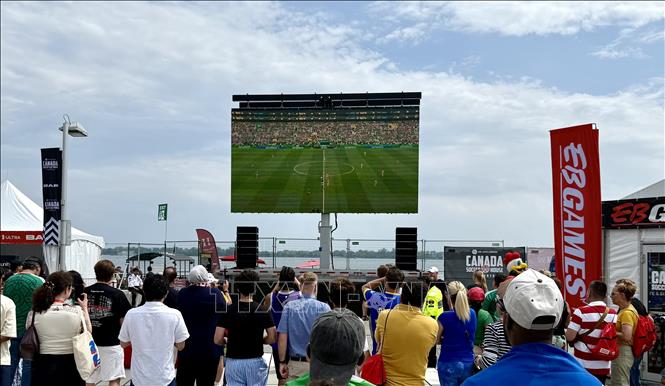
Yet without a coordinated investment strategy, what the World Cup leaves behind may remain only the memorable moments of Summer 2026. Fans could easily return to hockey, basketball, or other sports more familiar in daily life. Therefore, the biggest question after the World Cup is no longer whether Canadians love soccer—that has been answered by packed stands, overflowing fan zones, and the fervent atmosphere that persisted throughout the tournament. The more pressing issue is whether Canada has the determination, resources, and vision to turn that love into a sustainable development system.
The legacy of the 2026 World Cup will not be measured by festivals or beautiful photos, but by newly built training fields, the number of children continuing to play the game, the vitality of domestic leagues, the financial strength of Canada Soccer, and the national team's standing on the global soccer map for years to come. The World Cup has opened the door. What remains is whether Canada has the courage to step through it and turn a historic summer into a genuine turning point for soccer in this country.


Wonderfulshortvideo
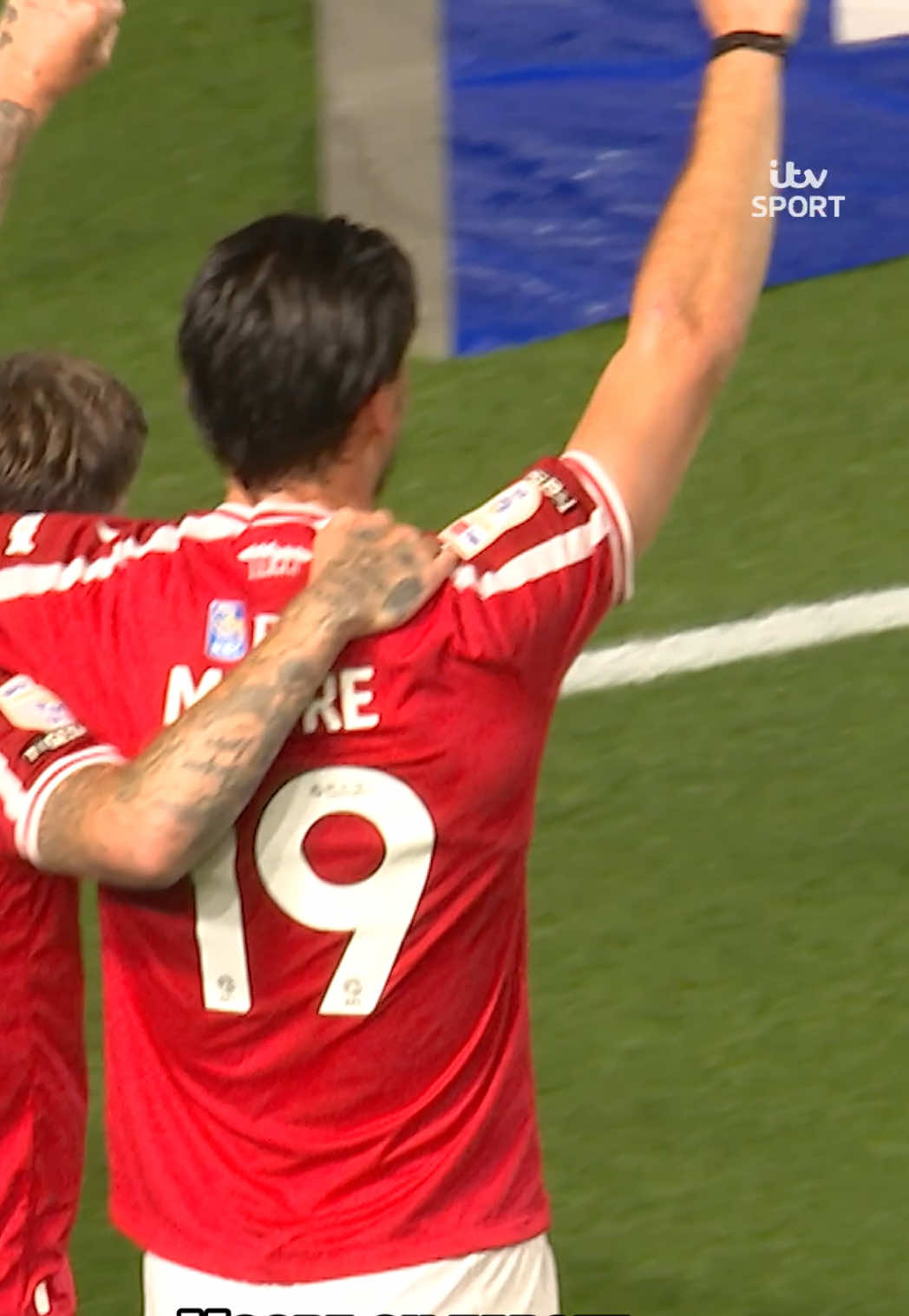
Lashed home by Kieffer Moore ☄️


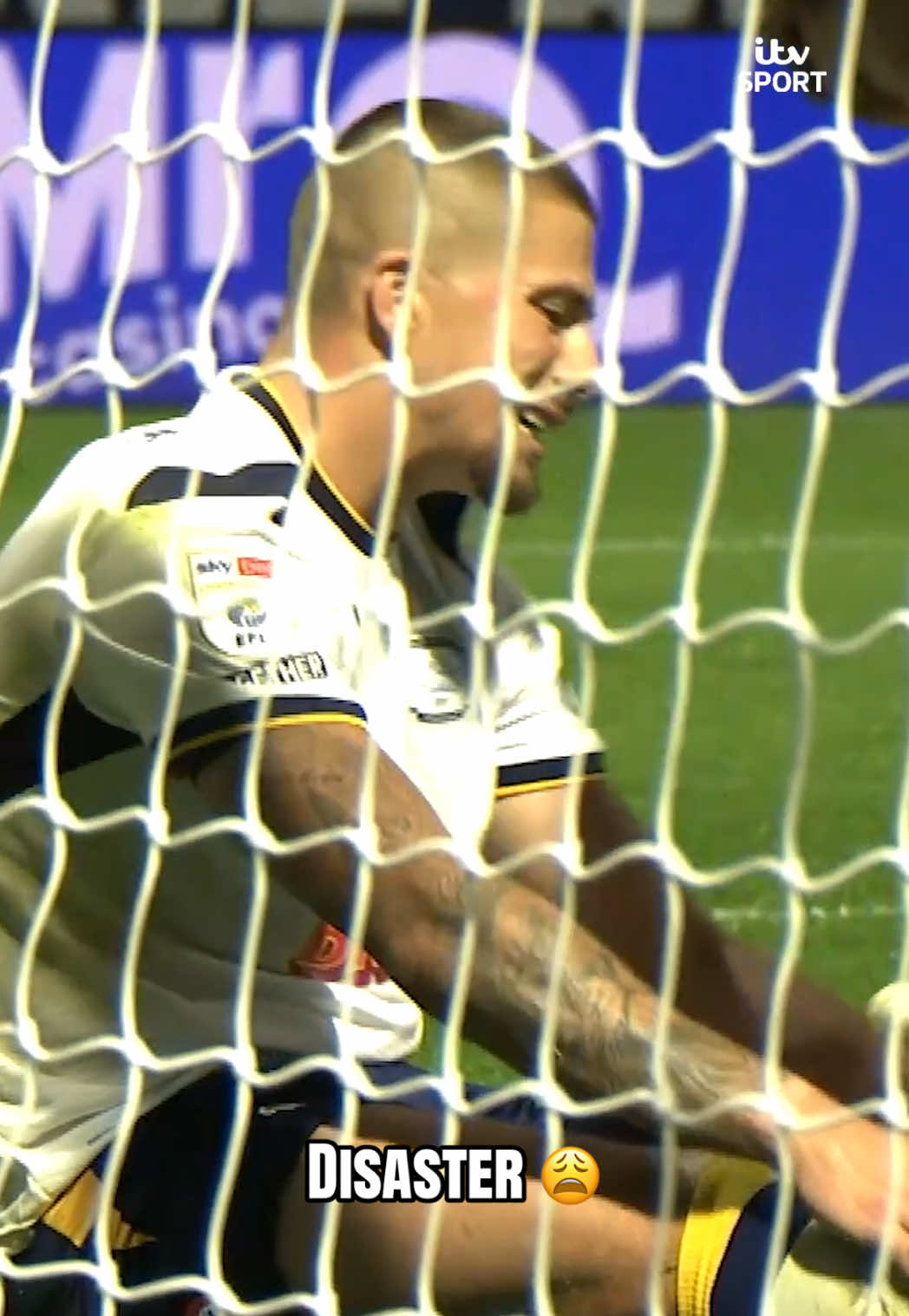
The saxophones are getting louder for Preston here…
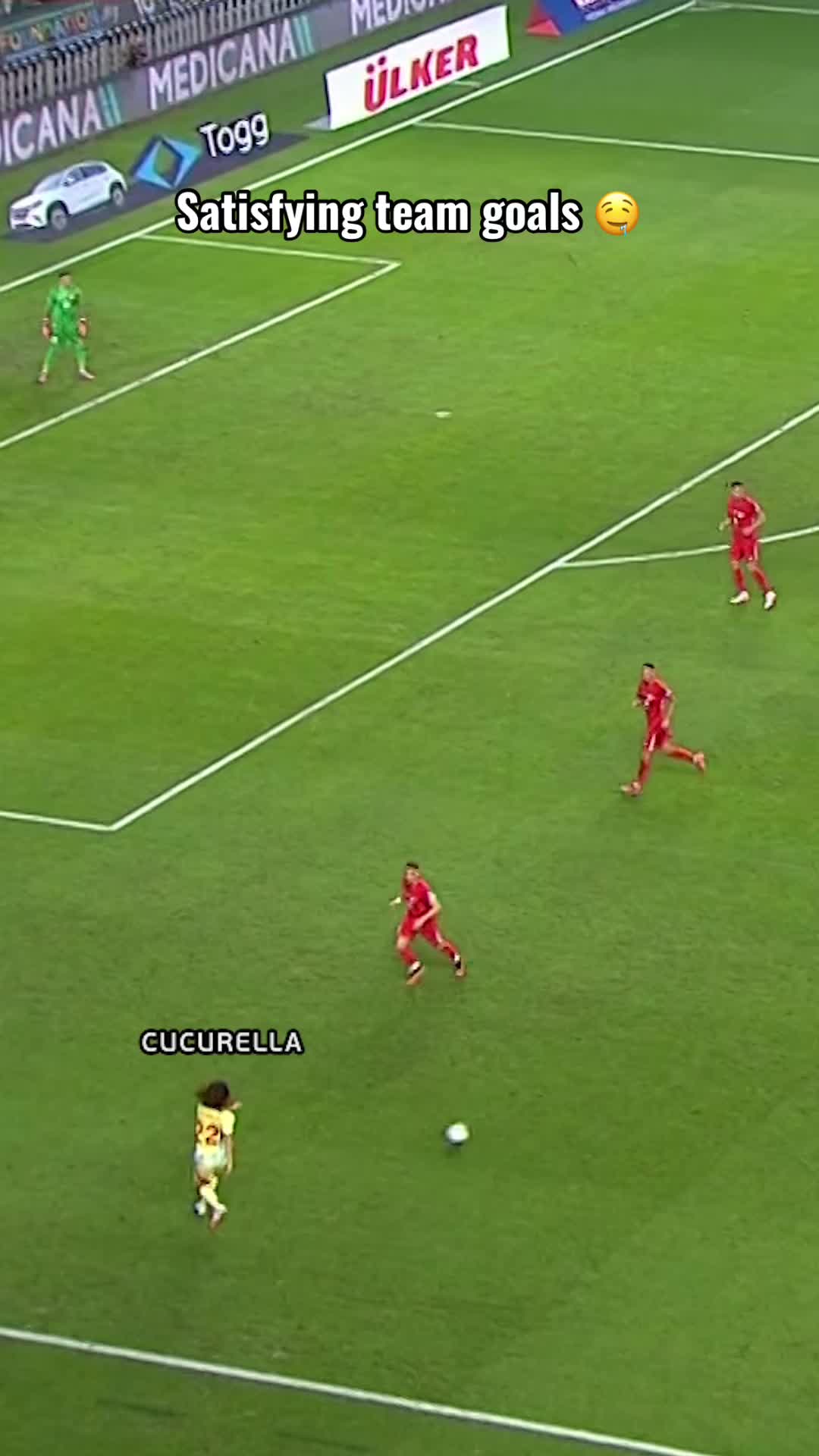
When football is simple but beautiful 😍
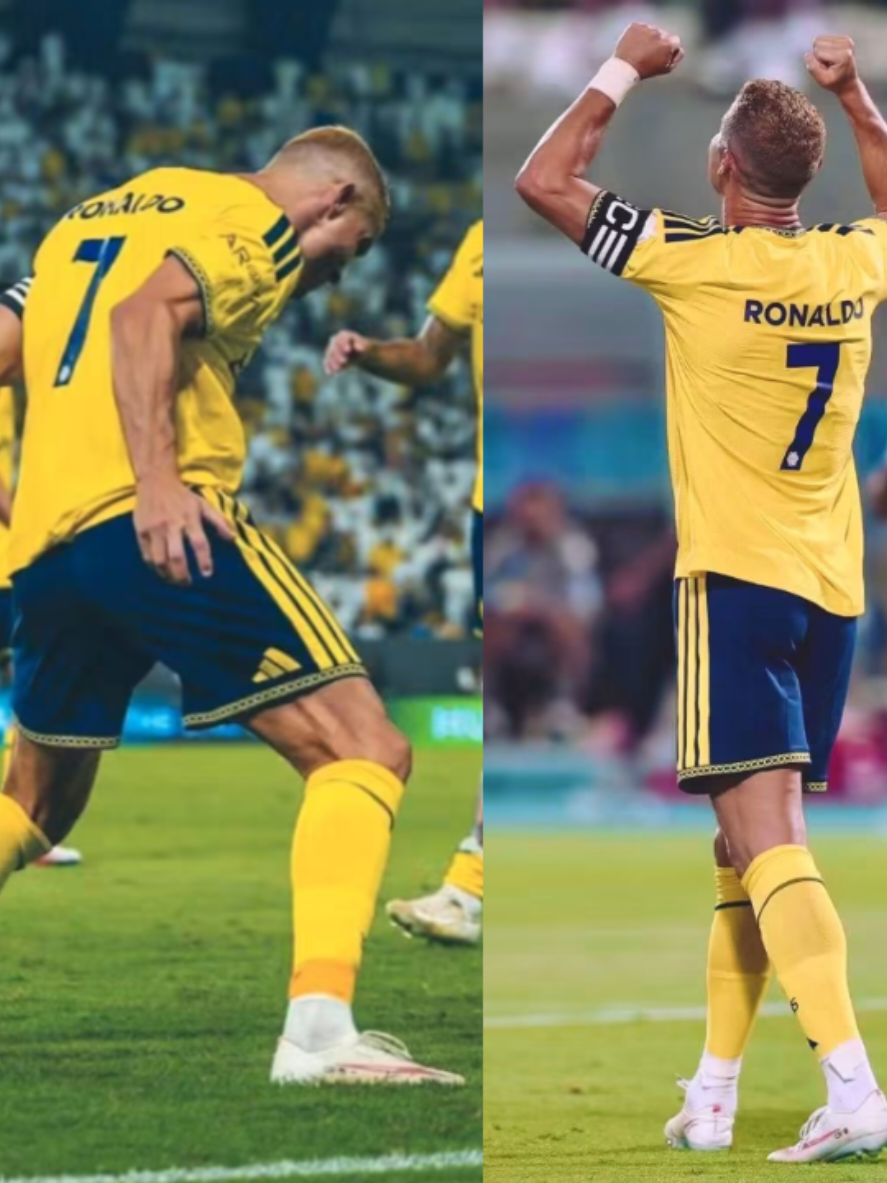
Cristiano Ronaldo is back on the quest for 1,000 goals, and these are his 977th and 978th goals.
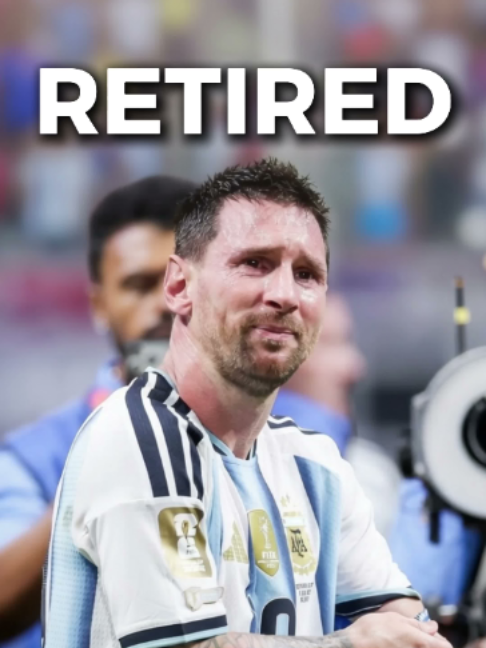
messi argentina retirement messi retiring messi edit
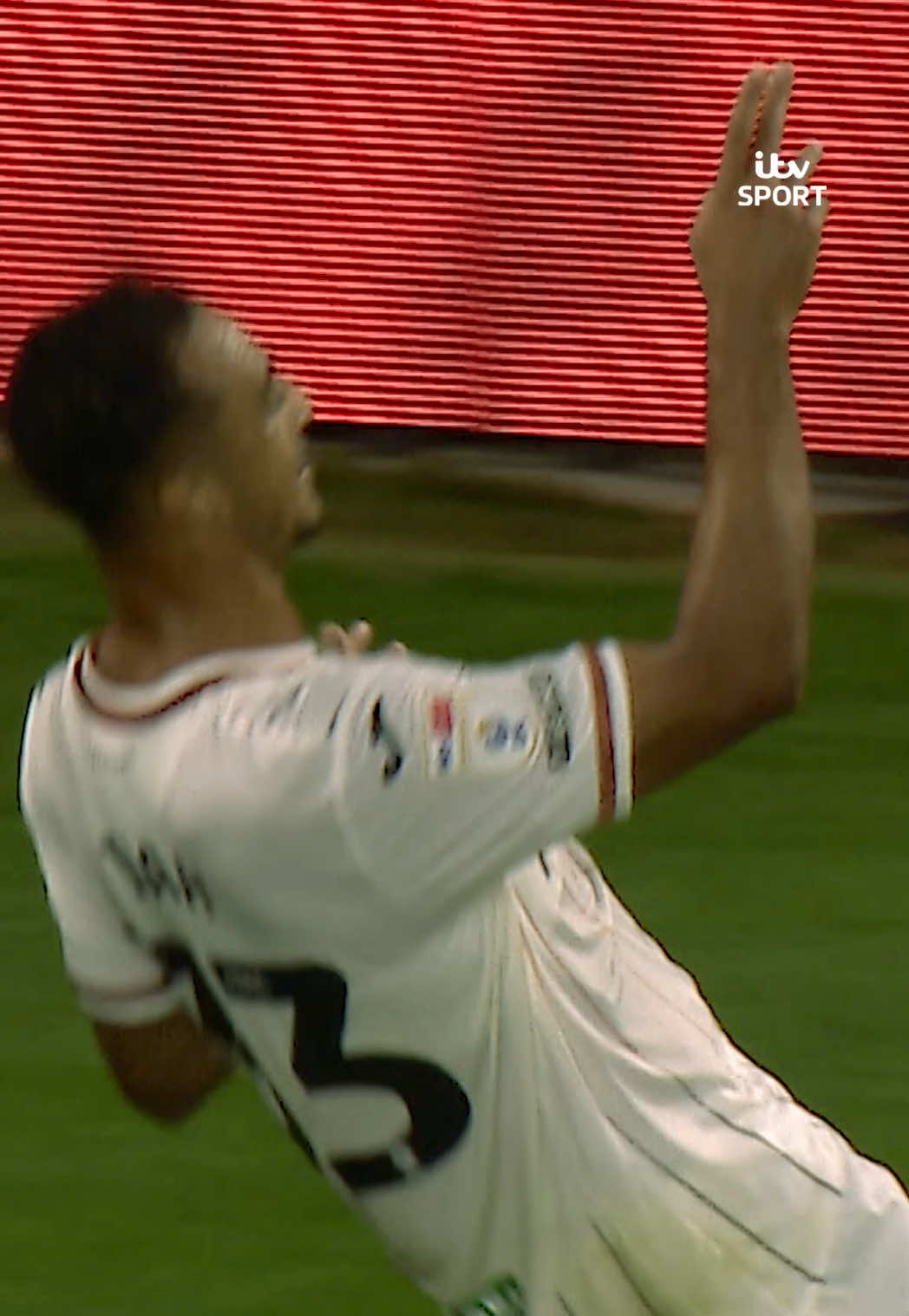
The Swans go TOP of the Championship 🦢
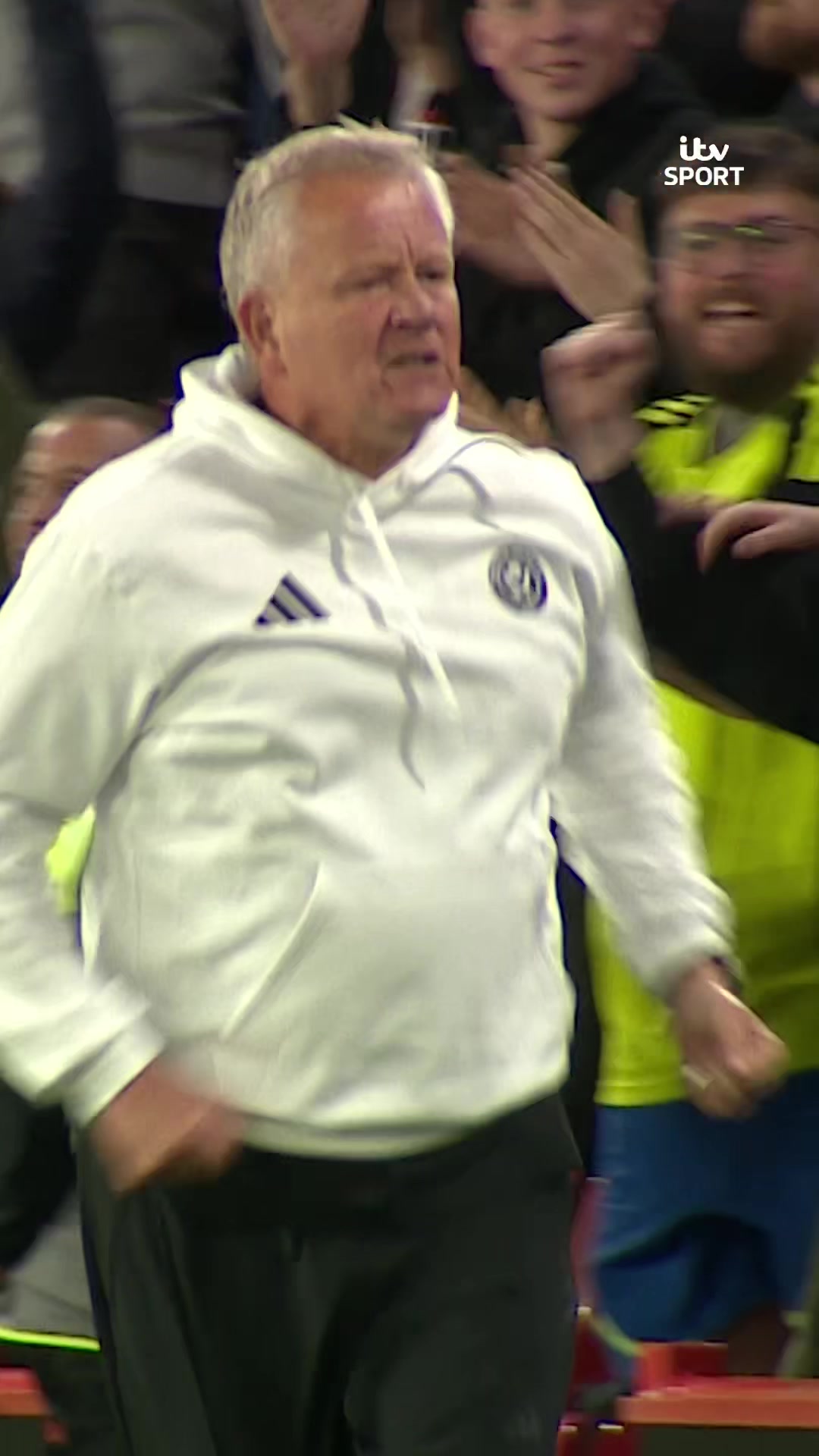
Sheffield United’s Romelle Donovan with an added time WINNER that sent Bramall Lane wild 🔥
 Links
Links
 Contact
 App
App


