



Vietnamese sports copyright at the starting line of a new era



At a century-old tea house in Hong Kong, Lin Heung Lau, the passionate cheers of football fans merge with the sound of pots and steam from dim sum steamers. They acquired the league's broadcast rights and held early-morning football screenings, when most sports bars are shut. The outcome: lines of people waiting outside the restaurant starting at 4 a.m.
The reason isn't purely about football. Lin Heung Lau's story is set against the backdrop of Hong Kong's F&B industry facing a crisis. Revenue for Chinese restaurants in the first quarter fell nearly 28% compared to 2018. Many traditional eateries have closed. The cause lies in changing consumer habits, as people seek cheaper options, while the youth are drawn to new brands and innovative business models from the mainland.
Lin Heung Lau plans to continue hosting monthly events, including Premier League viewing sessions. Their story is a testament to adaptability, where tradition and modernity, cuisine and sports, can blend to create a unique experience.
On the other side of the globe, in New York, FIFA does the opposite in essence but similar in thinking: extending the halftime break of the final from 15 minutes to over 20 minutes, enough to pack in Madonna, Shakira, Justin Bieber, BTS, turning the quiet moment of a match into a million-dollar stage. Two stories, one logic: when rights and events are seen as assets, people will find every way to extend their value, even if it means breaking seemingly unchangeable rules.
Looking at Vietnam, the story goes the opposite direction. While coffee shops must register and pay music copyright fees, most domestic sports tournaments are given away for free, with an undisclosed goal of repaying sponsors.
From TV stations to social media platforms, anyone can broadcast, anyone can watch. The paradox: background music in coffee shops, which listeners hardly actively seek, is protected more tightly than a sports match, a product that people actively spend time watching.
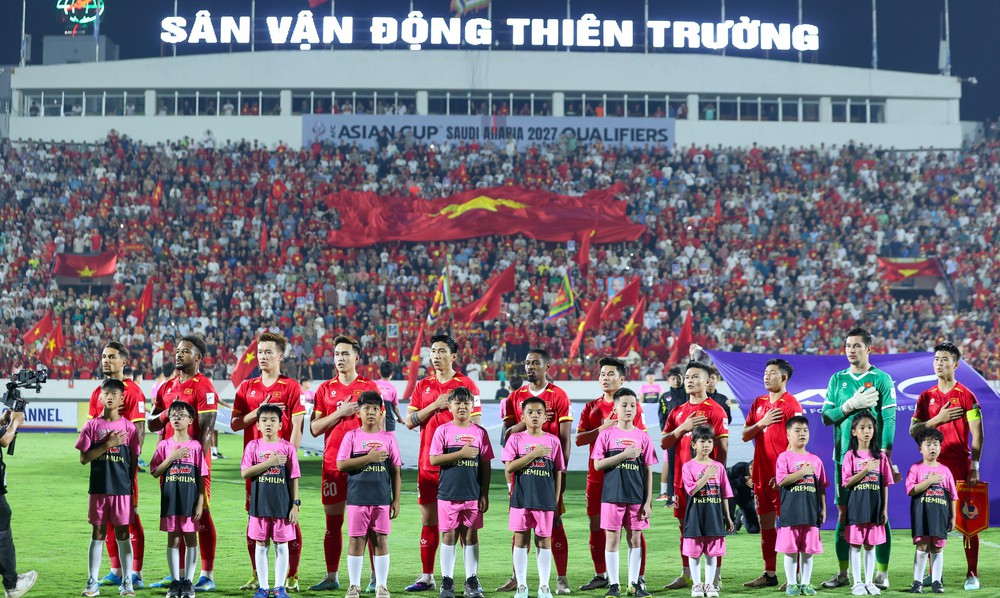
Stadiums full of spectators like this are still not a common phenomenon for Vietnamese sports in general and Vietnamese football in particular. Photo: Hoang Linh
The harsh reality: even with almost complete free access, many sports in Vietnam still have no viewers, and worse, they collect not a single byte of user data. That is the real bottleneck.
Content distributed chaotically across countless uncontrolled channels creates a sense of popularity, but erases the ability to measure: no one knows who watches, how long, where, and most importantly, how much they are willing to pay to watch. No data, no valuation. No valuation, no copyright revenue. That is the lingering wound of Vietnam's sports economy for years: plenty of content, but almost no assets.
Let's think in reverse: In Hong Kong, World Cup rights are among the most expensive in the world. This scarcity has "engineered" a mindset, pushing restaurants and hotels to pay for public screening rights to retain customers, creating a vibrant derivative market around the original rights. The "scarcity" of rights, instead of killing demand, spawns a range of new business models, including unorthodox ones. But that very unorthodoxy is also a signal: it shows that real demand exists, just waiting to be served across multiple price tiers.
So, for Vietnamese sports, if we "tighten" copyright, is it beneficial or harmful? The answer lies not in whether to tighten or not, but in the fact that Vietnamese sports have almost never truly owned copyright to tighten in the first place.
More notably, the number of national-scale sports tournaments and events in Vietnam is limited. But instead of seeing this as a weakness, it can be viewed as material for a deliberate scarcity strategy.
First, it creates a "price life" for complete copyright. Next, the "scarcity" will give rise to other forms of media to serve genuine viewer groups. And if no one broadcasts and no one can watch, ultimately the benefits for the sports are no different from the current situation.
Between "tightening" and "not tightening," the real question is not which side to choose, but the inevitable trend in copyright activities. The remaining issue is whether Vietnamese sports are ready to see their products as assets.
Once scarcity is achieved, the only thing missing is the wisdom to turn that scarcity into value…


Wonderfulshortvideo

Lashed home by Kieffer Moore ☄️


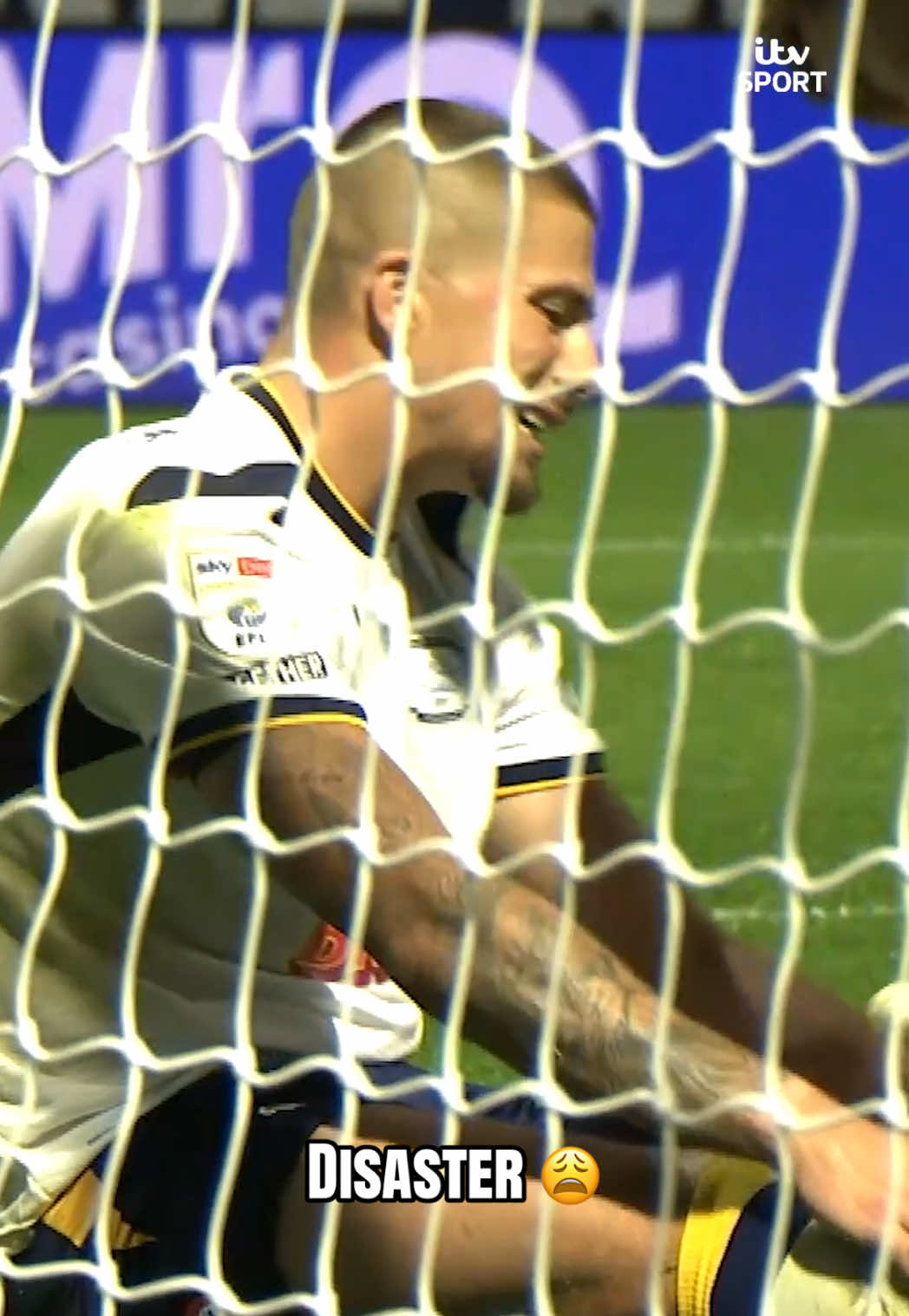
The saxophones are getting louder for Preston here…
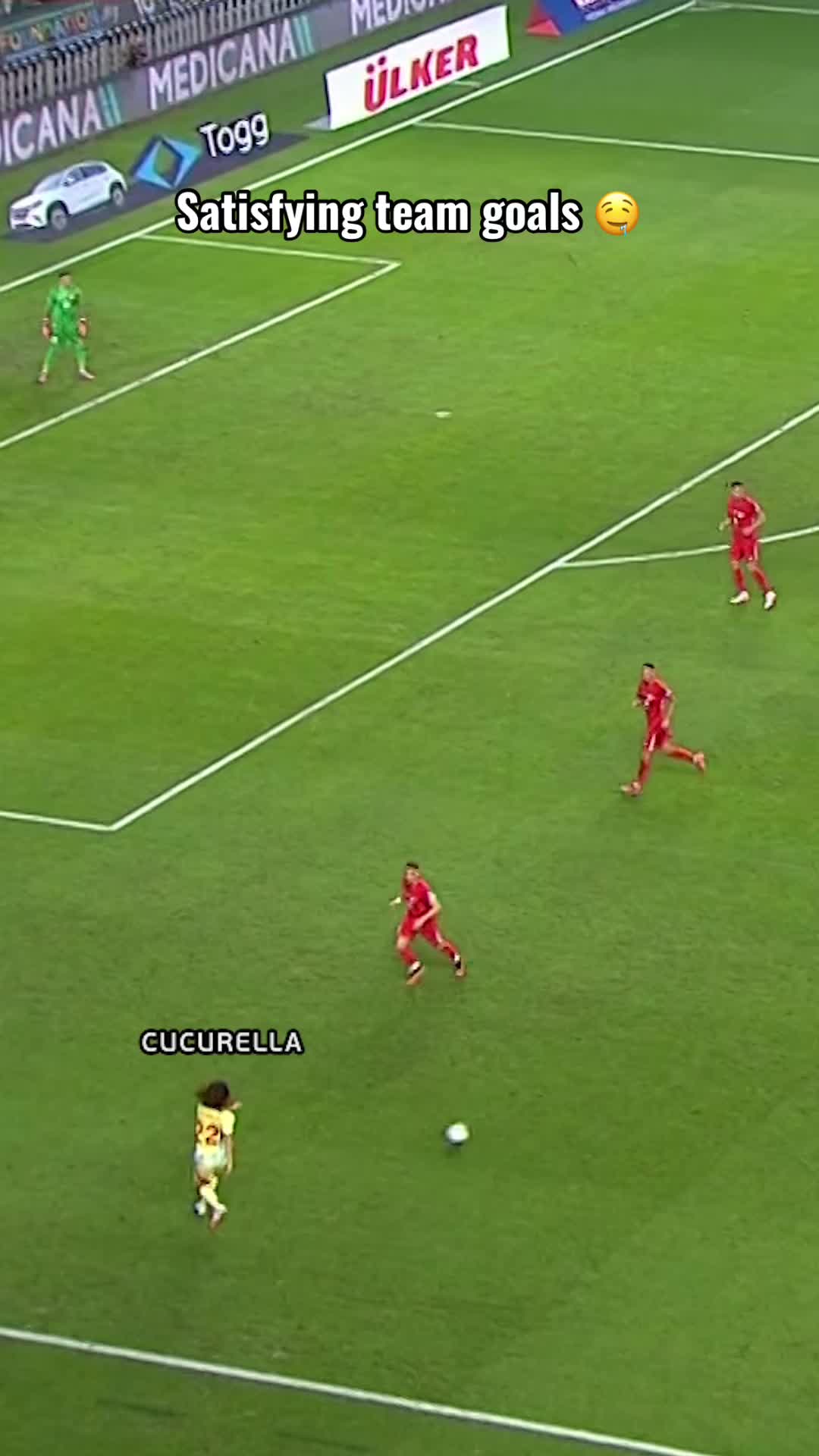
When football is simple but beautiful 😍

Cristiano Ronaldo is back on the quest for 1,000 goals, and these are his 977th and 978th goals.
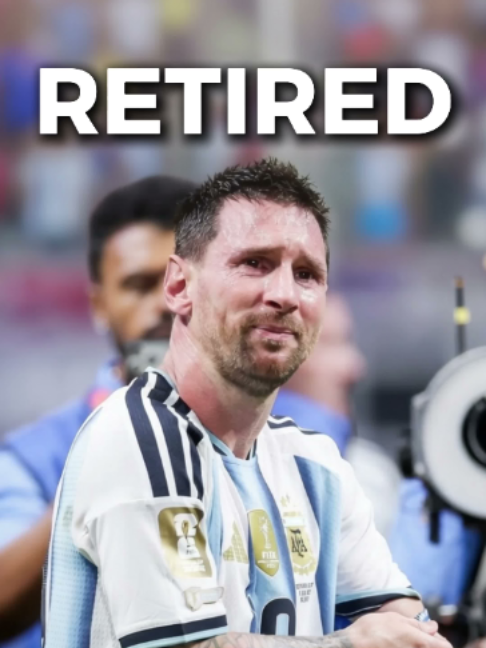
messi argentina retirement messi retiring messi edit

The Swans go TOP of the Championship 🦢

Sheffield United’s Romelle Donovan with an added time WINNER that sent Bramall Lane wild 🔥
 Links
Links
 Contact
 App
App


