



Another major reform in Chinese football after the separation of examination and training, and the separation of management and operation.



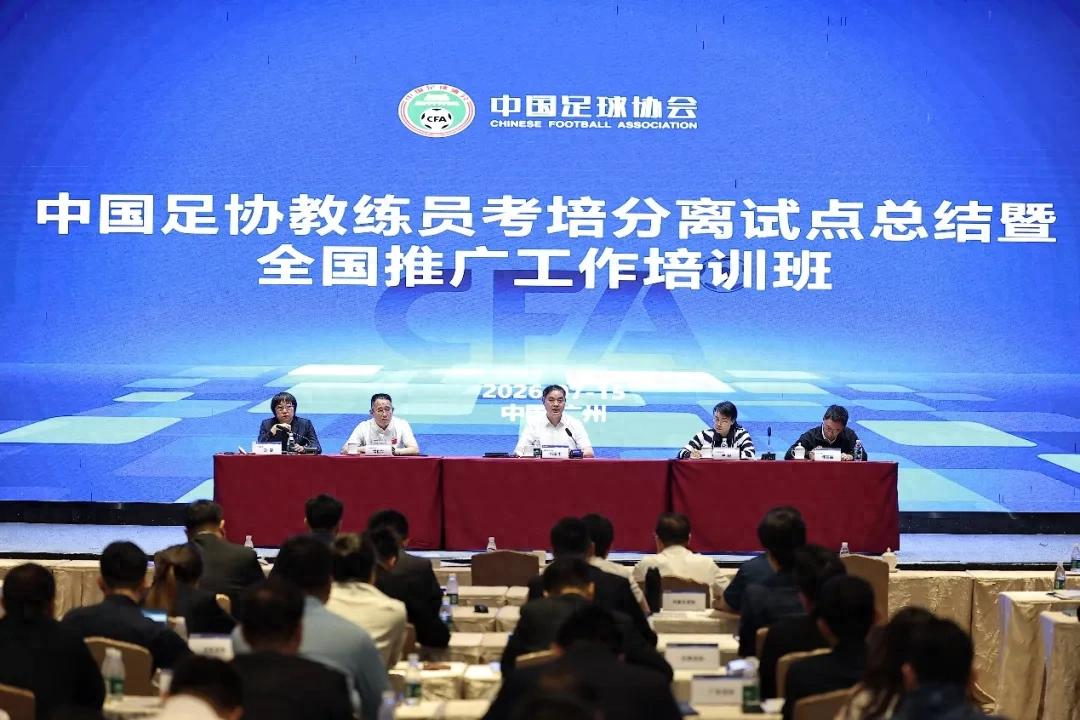
Journalist Wang Wei reports On July 15, the CFA held a training seminar in Guangzhou to summarize the pilot program of separating coaching examination and training and to promote its nationwide implementation. Over 120 representatives from CFA member associations, co-built football academies, and pilot units attended the seminar. Zhang Jiasheng, Deputy Director of the General Administration of Sport of China and Secretary of the CFA Party Committee, delivered a speech, and CFA Vice President Sun Wen chaired the meeting. Lin Ying, Deputy Director of the Guangdong Provincial Sports Bureau, Lei Jianjun, a department-level official of the Guangdong Provincial Sports Bureau, and Xie Changjing, Chairman of the Guangdong Football Association, also participated.

Zhang Jiasheng elaborated on the core significance of the reform to separate coaching examination and training. He stated: "The reform to separate coaching examination and training is of great significance. It is another major and far-reaching reform measure following the separation of management and operation in professional leagues. It represents a key responsibility in implementing the decisions and deployments of the Central Committee of the Communist Party and the State Council regarding football reform and development. It is also a crucial step to break through bottlenecks in coaching team building and promote high-quality development of coach training."
The overall goals of this reform are clear. First, to ensure fairness and impartiality: training and assessment are conducted by independent entities, with unified question banks, hardware, scoring standards, and fee rules. The entire process is digitally recorded and subject to multi-level supervision, eliminating human interference in assessments. Second, to expand capacity and efficiency: provincial and municipal associations, sports colleges, professional clubs, social youth training institutions, and youth training centers are allowed to set up training points, broadening channels for coaches to learn and obtain certifications, and increasing the supply of grassroots certified coaches. Third, to improve quality: standardized textbooks and question banks, professional instructor and examiner teams, and a standardized dynamic evaluation mechanism will drive continuous improvement in training quality. Fourth, to perfect the system: an information management platform covering the entire chain of registration, teaching, assessment, certification, and supervision will be established, forming a long-term dynamic management mechanism.
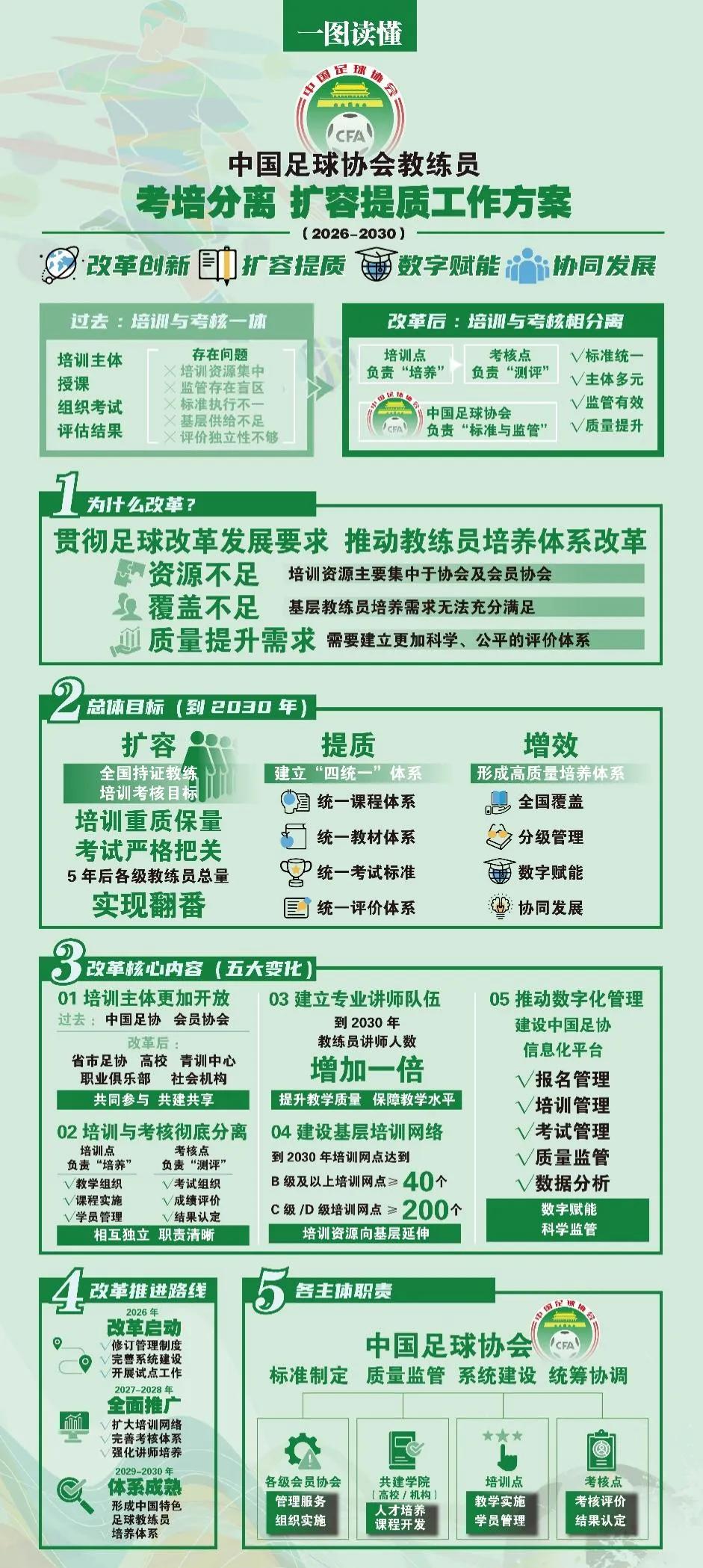
According to the "CFA Plan for Expanding Capacity and Improving Quality of Coach Examination and Training Separation (2026–2030)" and its supporting implementation plan, the CFA coordinated efforts from April to June 2026 to launch pilot reforms in the southern and northern regions, including Guangdong and Shaanxi. The pilot covered multiple entities such as provincial and municipal member associations, co-built football academies, and social youth training institutions. Over three months, the pilot units successfully completed the standardization of training and examination points, built comprehensive question banks for coach exams from Level D to Level A, compiled new training textbooks, established databases for instructors and examiners, revised a series of regulations on coach training, instructors, and training network management, upgraded the integrated examination and training information platform with digital functions such as facial recognition, smart invigilation, audio and video evidence storage, and online question assembly and scoring, and established a three-level full-process supervision system involving "CFA—member associations—third-party institutions." The pilot verified the entire process and system integration, forming replicable and scalable regional operational experience, laying a solid practical foundation for the nationwide implementation of the separation of examination and training.
Zhang Jiasheng pointed out that the core essence of the reform to separate examination and training is to optimize the talent cultivation system in the industry through institutional innovation, activating the internal momentum for building a coaching team. Implementing this reform can clarify the boundaries between training and assessment functions, achieve separation of powers and responsibilities with closed-loop supervision, effectively revitalize industry resources, expand the supply of high-quality training, regulate industry development order, and build a new ecosystem for coach development that is diversified, collaborative, standardized, efficient, fair, and impartial, thereby laying a solid talent foundation for the national football revitalization strategy.
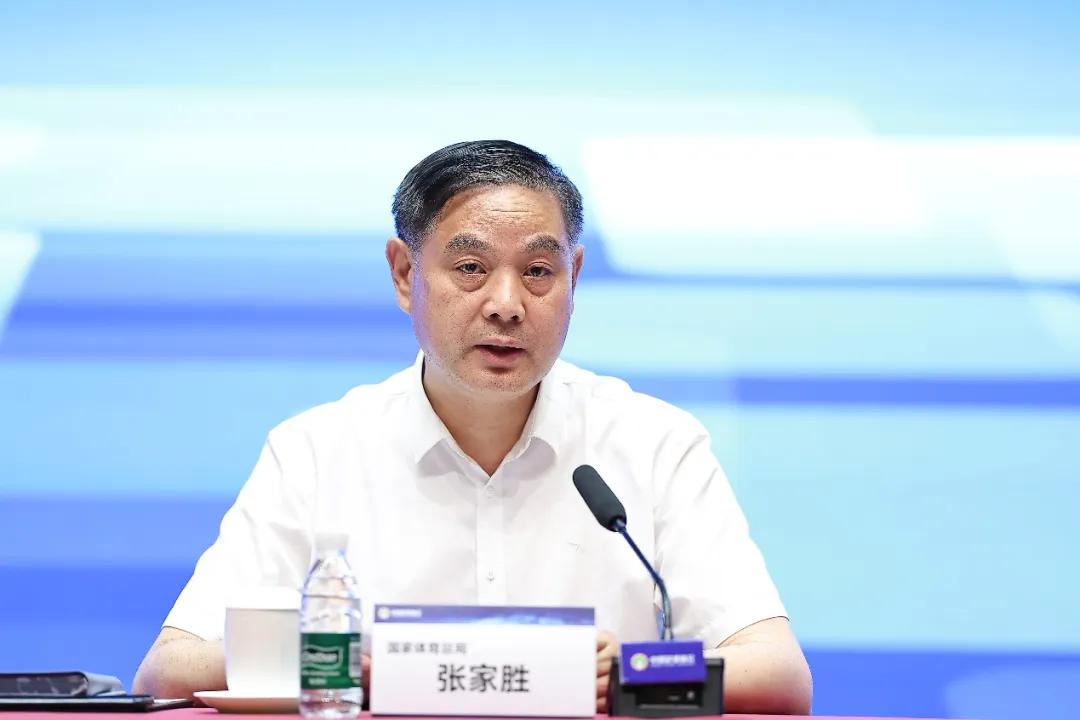
Zhang Jiasheng emphasized that the success of the reform to separate examination and training depends on consolidating local responsibilities and comprehensively implementing all specific tasks. Member associations and co-built academies must align their thinking and actions, adhere to the principle of delegating authority and empowering others, activate the internal momentum for the reform, refine implementation plans, ensure precise alignment with goals, deepen policy research, enhance execution capabilities, and replicate pilot experiences to promote quality improvement across the board.
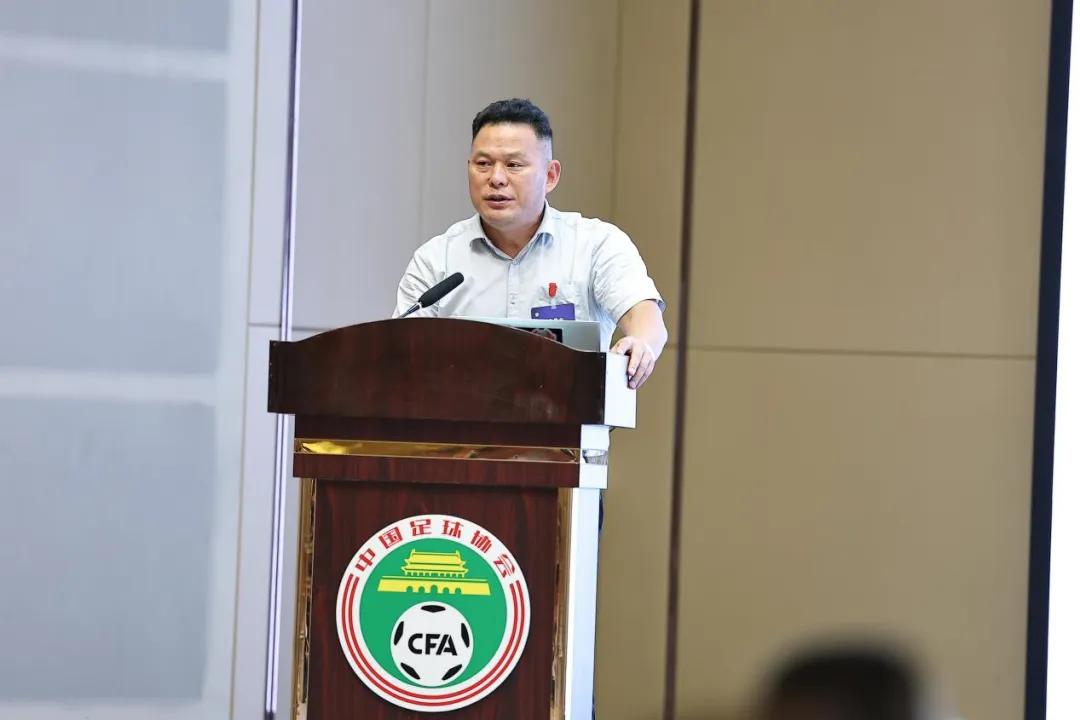
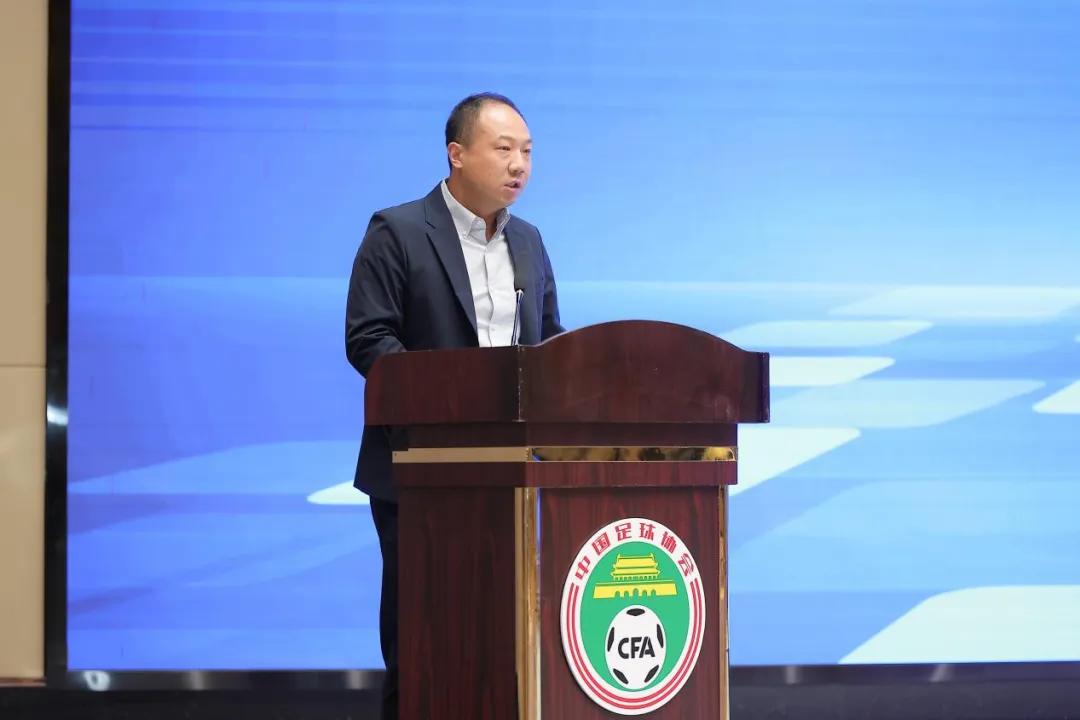
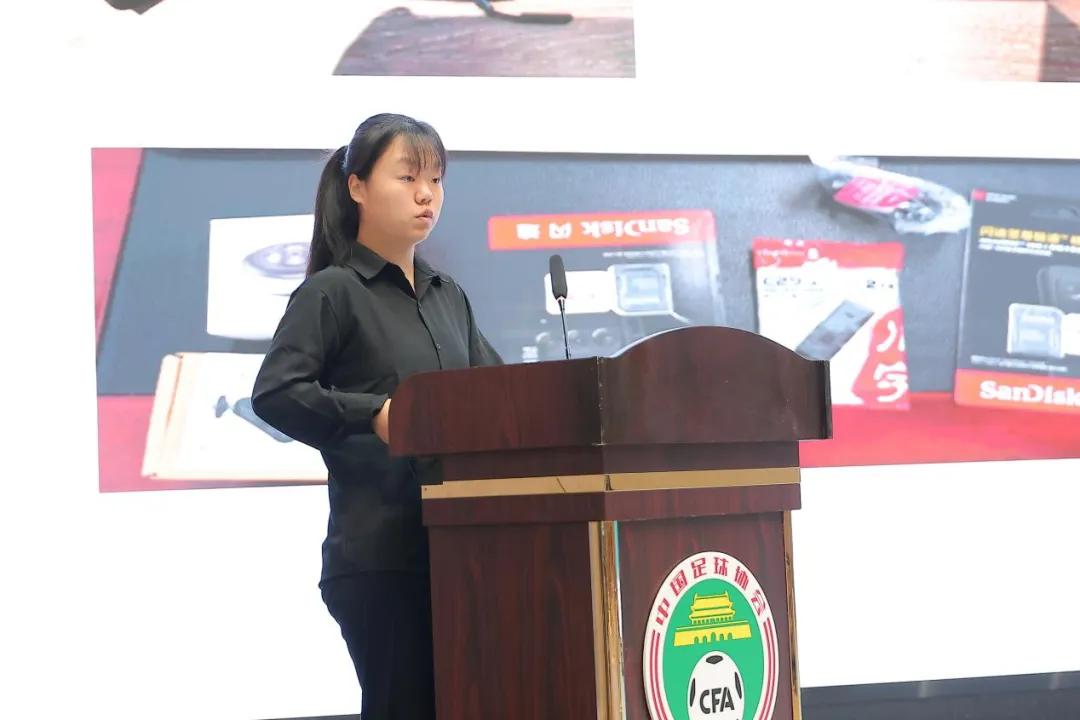
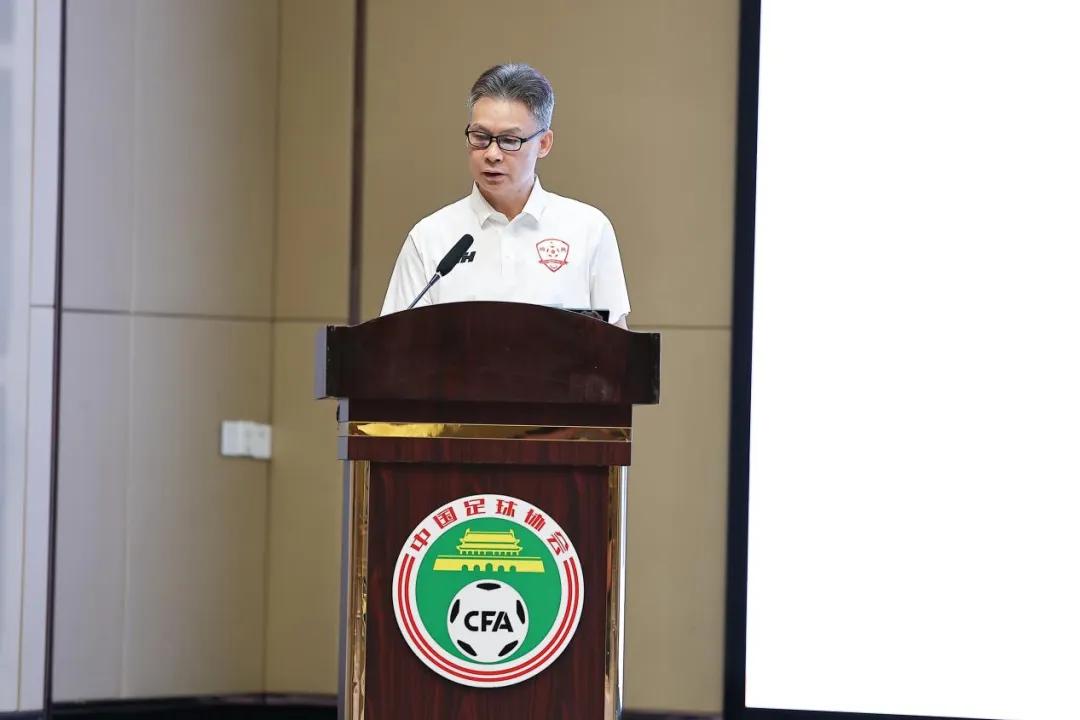
At the training seminar, representatives from pilot units and outstanding examination and training points in Shaanxi and Guangdong gave speeches, summarizing and sharing their pilot experiences. Representatives from the Jiangsu Football Association and Shanghai University of Sport also made statements.

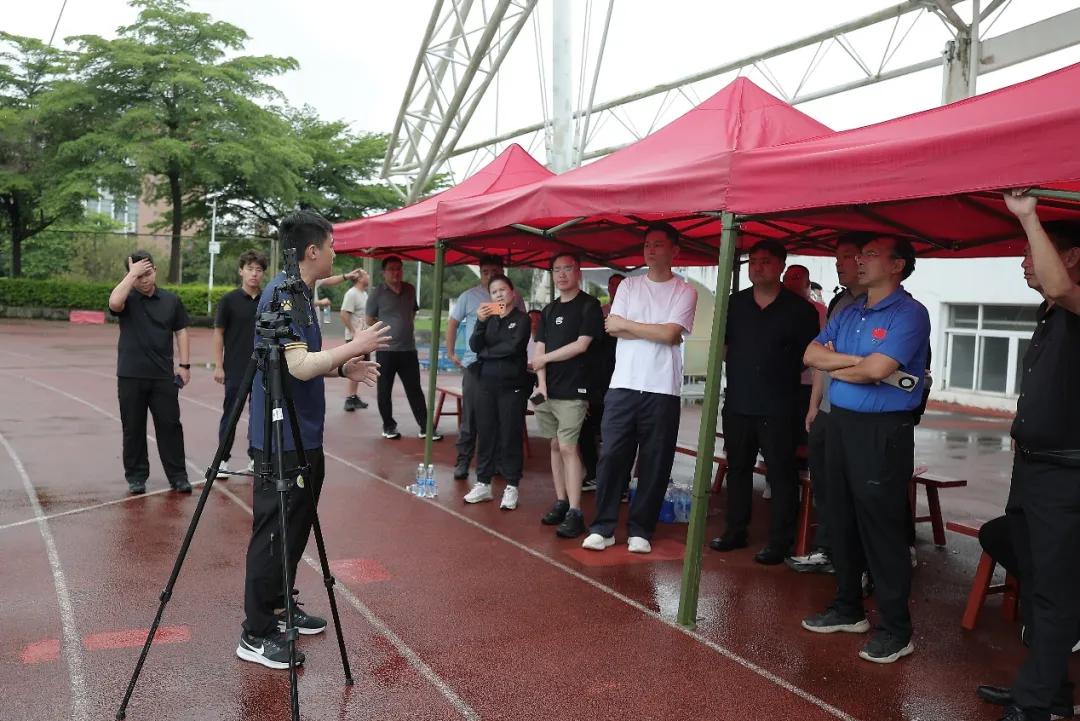
After the day's training seminar, the CFA organized representatives to visit and observe examination and training points at Guangdong University of Foreign Studies and social youth training institutions. The representatives personally experienced the important scenes of implementing the reform to separate coaching examination and training. They expressed that upon returning to their respective units, they would accelerate the promotion of the reform in their regions with a sense of urgency.
Wang Liang, Deputy Secretary General and Technical Director of the Guangdong Football Association, said: "Over the years, the CFA, including our provincial member associations, has continuously summarized and discovered that the original model of training and assessment, to some extent, affected the credibility of assessments and the original intention of selecting the best. This prompted Chinese football to make a decisive decision to carry out this major reform. From the perspective of the provincial football association, I believe that through this reform, the base number of coaches will significantly increase. Only with quantitative change can there be qualitative change. Once the number rises substantially, quality improvement becomes possible."
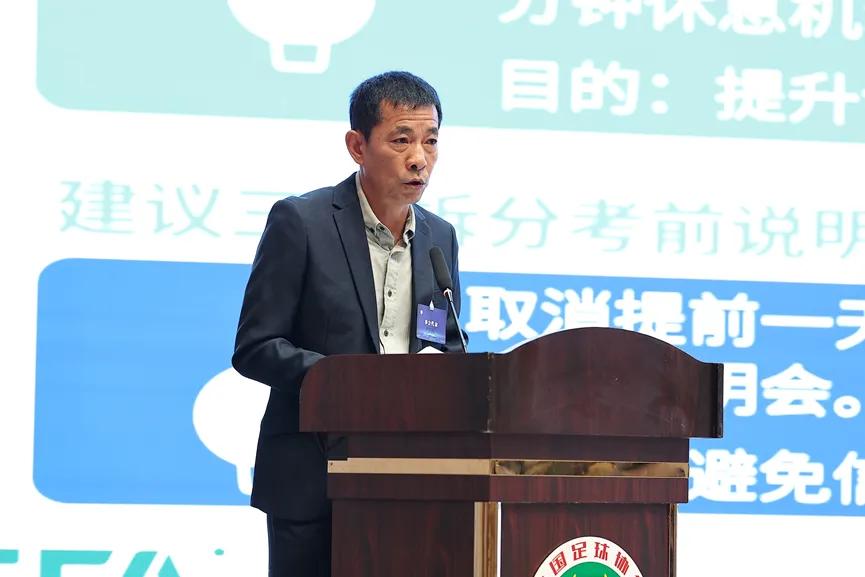
The reform to separate examination and training helps ensure the fairness of assessments, a consensus among many participants. Huang Deyi, Director and Professor of the Sports Department at Guangdong University of Foreign Studies, said: "Previously, both coach training and assessment were in the hands of the same instructor. Now, separating training and assessment helps improve the fairness of evaluations."
Jiang Junhui, a social supervisor of the CFA, believes that separating examination and training can fundamentally cut off the interest chain between coach training and certification, thereby effectively preventing potential corruption risks. "I think this initiative by the CFA is very commendable. Especially through today's observation, seeing that all areas are covered by cameras, it becomes impossible to cheat. This is very good and deserves praise," Jiang said.
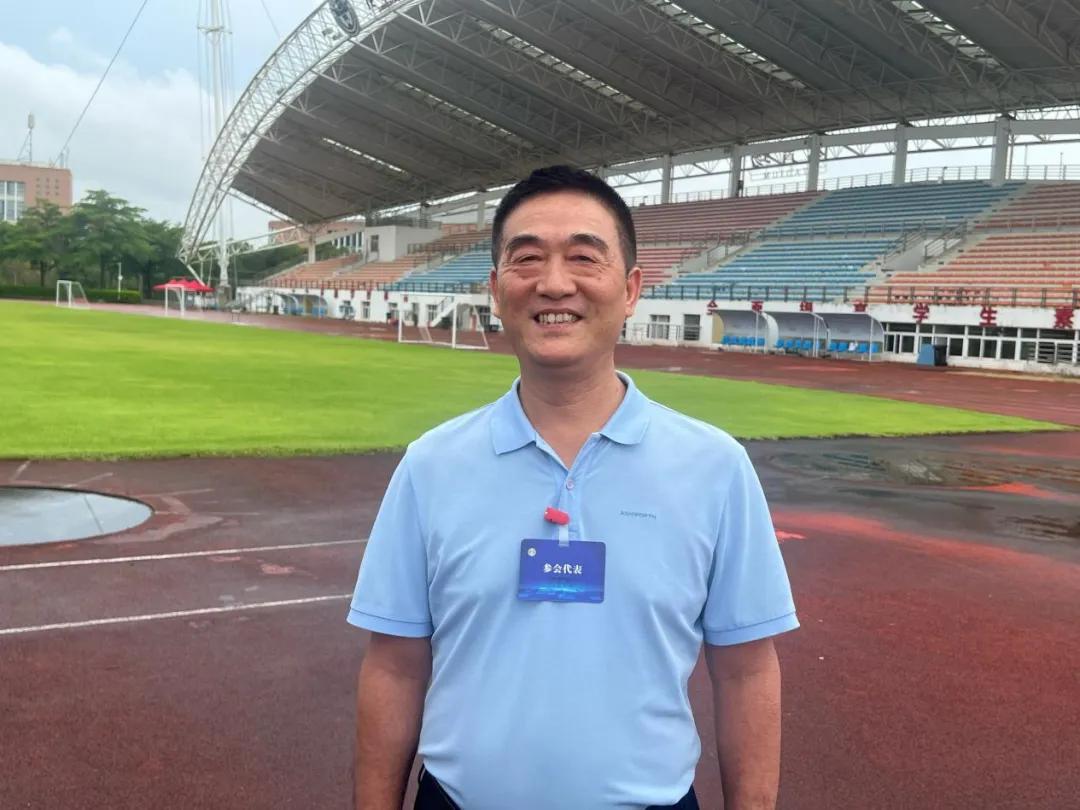
The separation of examination and training brings many benefits to participating coaches. Wang Liang said: "Through the reform, coaches are given more opportunities. First, it increases the chances to participate in training. Second, by separating assessment from training, training remains training, and assessment remains assessment, allowing coaches to enjoy a fairer and more transparent environment. If you are capable, you pass; if not, you don't. Everyone is judged by the same standard, eliminating issues like inconsistent instructor standards or other factors."
Li Xinhai, Deputy Director of the Meizhou Sports Bureau and Chairman of the Meizhou Football Association, believes that separating examination and training can further improve the coaching level of coaches.
Guangdong University of Foreign Studies, an excellent examination and training point in Guangdong Province, has already hosted one Level C and two Level D coach training sessions. Chen Yanlong, Director of the Campus Venue Management Center, said: "The trainees are mainly students from around Guangzhou University City, as well as some who graduated many years ago. The oldest trainee in these sessions was 41 or 42 years old. So I think opening up like this is good for anyone who loves football and wants to participate in the sport."
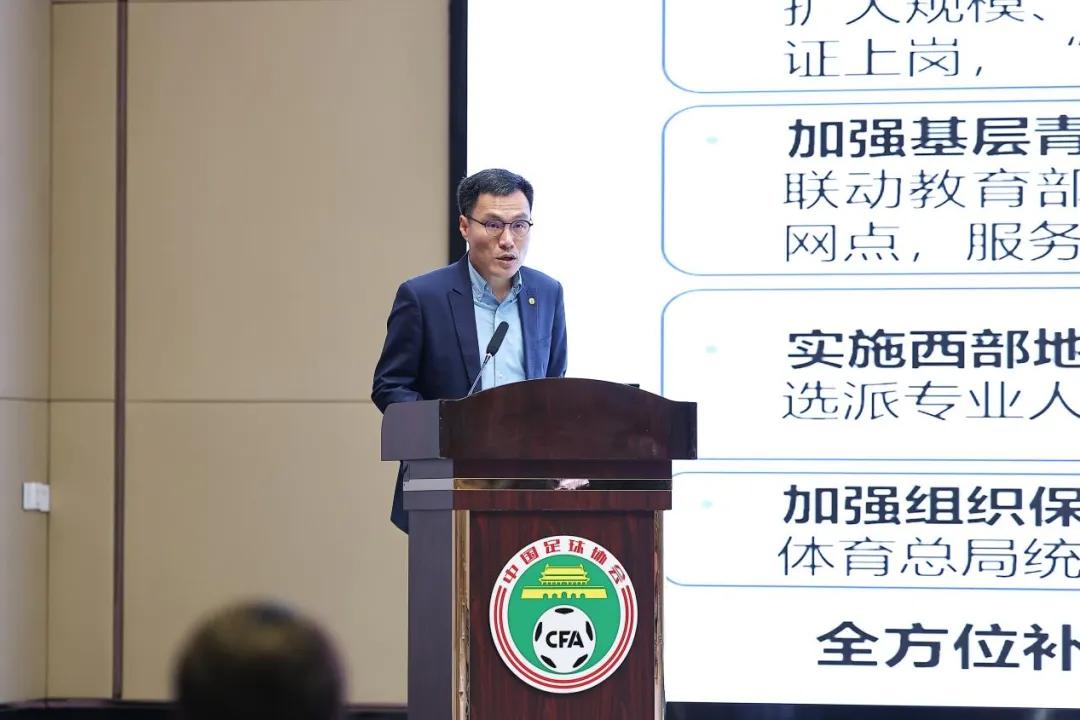
Coordinating various types of resources and fully leveraging social and market forces to build training points is a major feature of the reform to separate examination and training. Li Chengpu, Technical Director of the CFA, said: "We make full use of social and market forces. For example, clubs, youth training institutions, and football associations at all levels can set up training points, integrating all social resources into our system. At the same time, training points can access various high-quality training programs. We strictly control the quality of coaches at all levels through a rigorous assessment process. Additionally, our principle is to fully delegate authority. The CFA will gradually delegate the management and service authority for all levels of coaches from A to D (excluding the professional level) to lower levels."
Huang Deyi believes that as long as this work is continuously and deeply promoted, the quantity and quality of youth training coaches will improve, greatly benefiting the cultivation of young football talents in China.
(Intern Li Xin also contributed to this article.)


Wonderfulshortvideo

Lashed home by Kieffer Moore ☄️


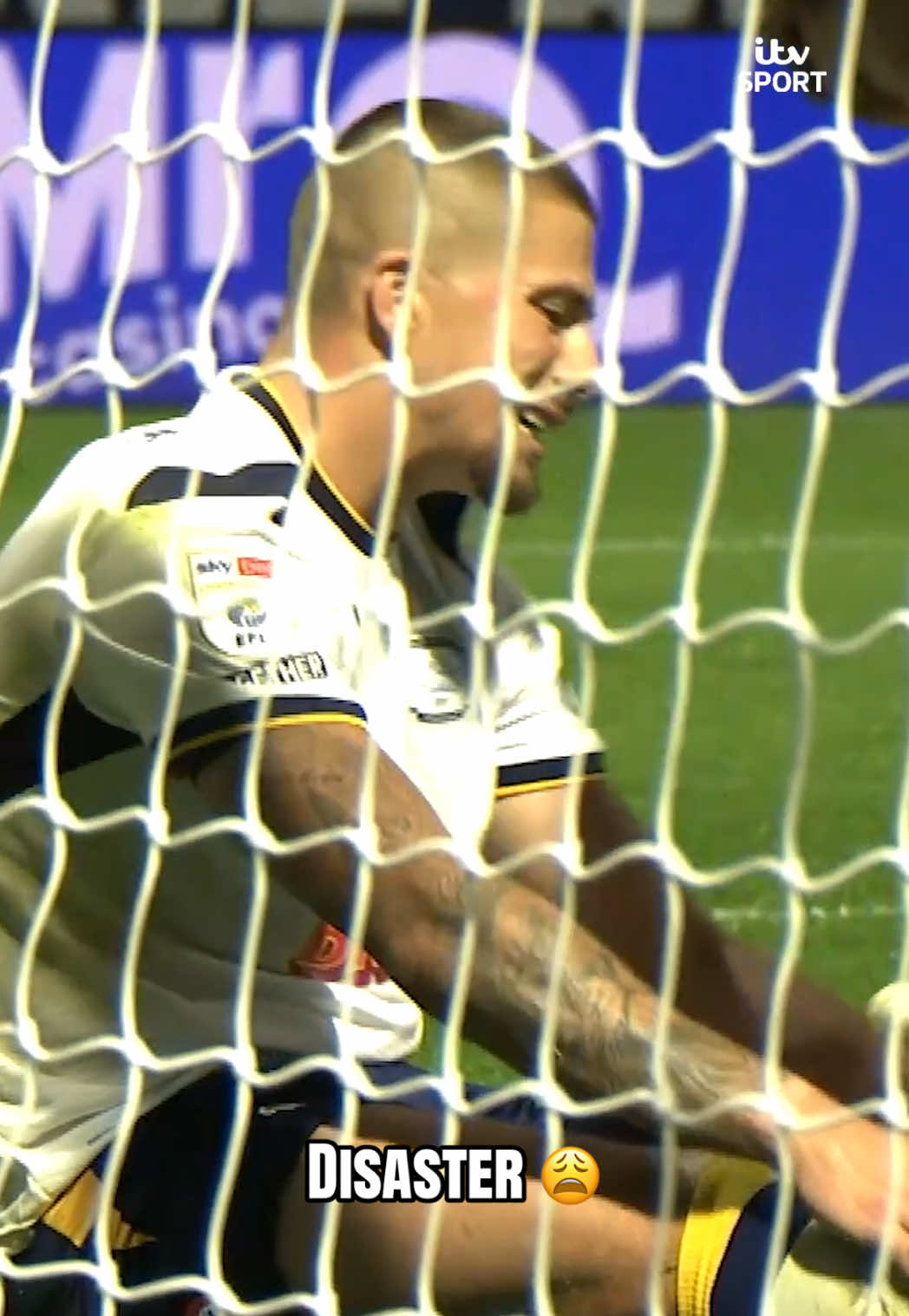
The saxophones are getting louder for Preston here…
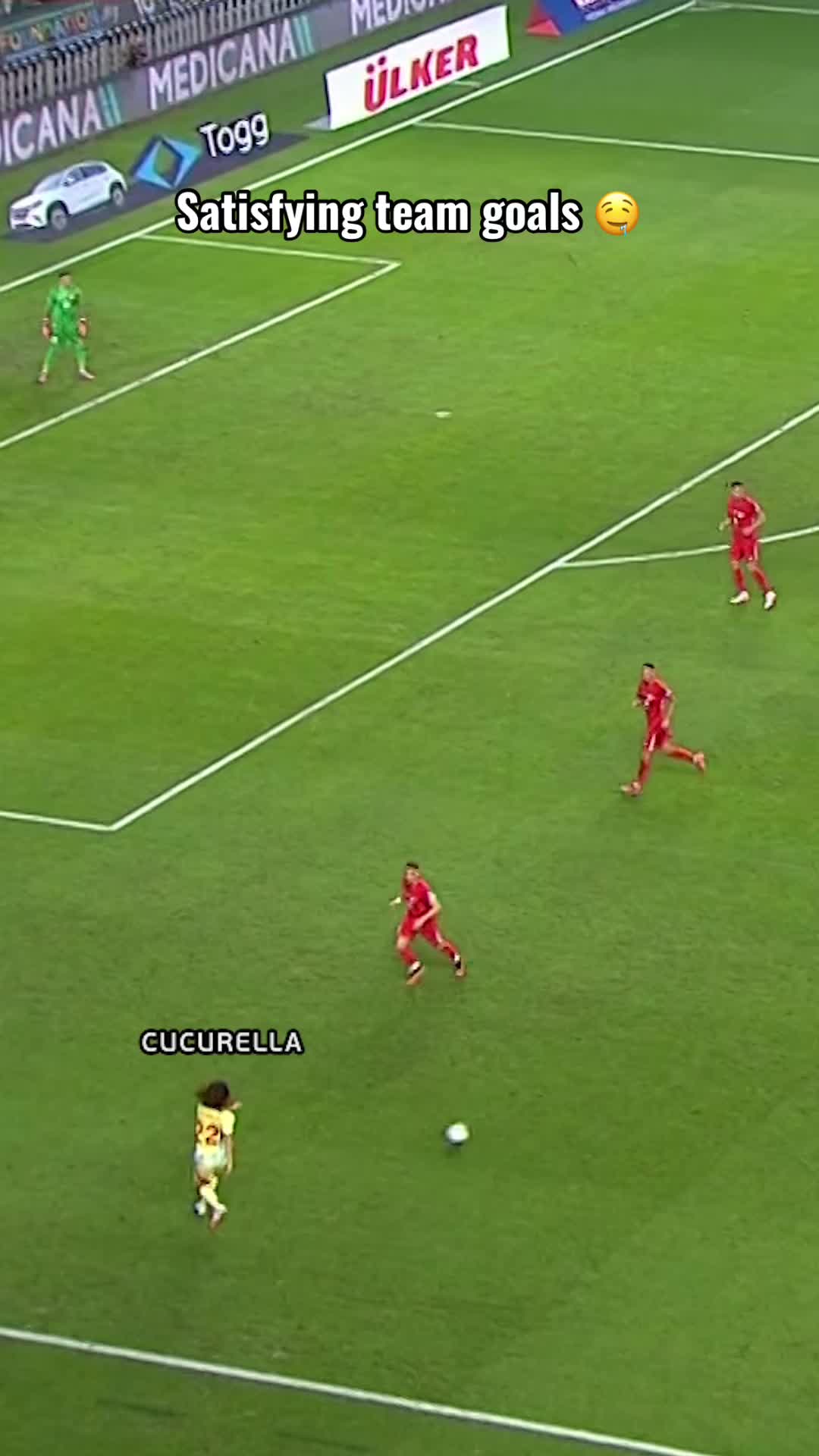
When football is simple but beautiful 😍
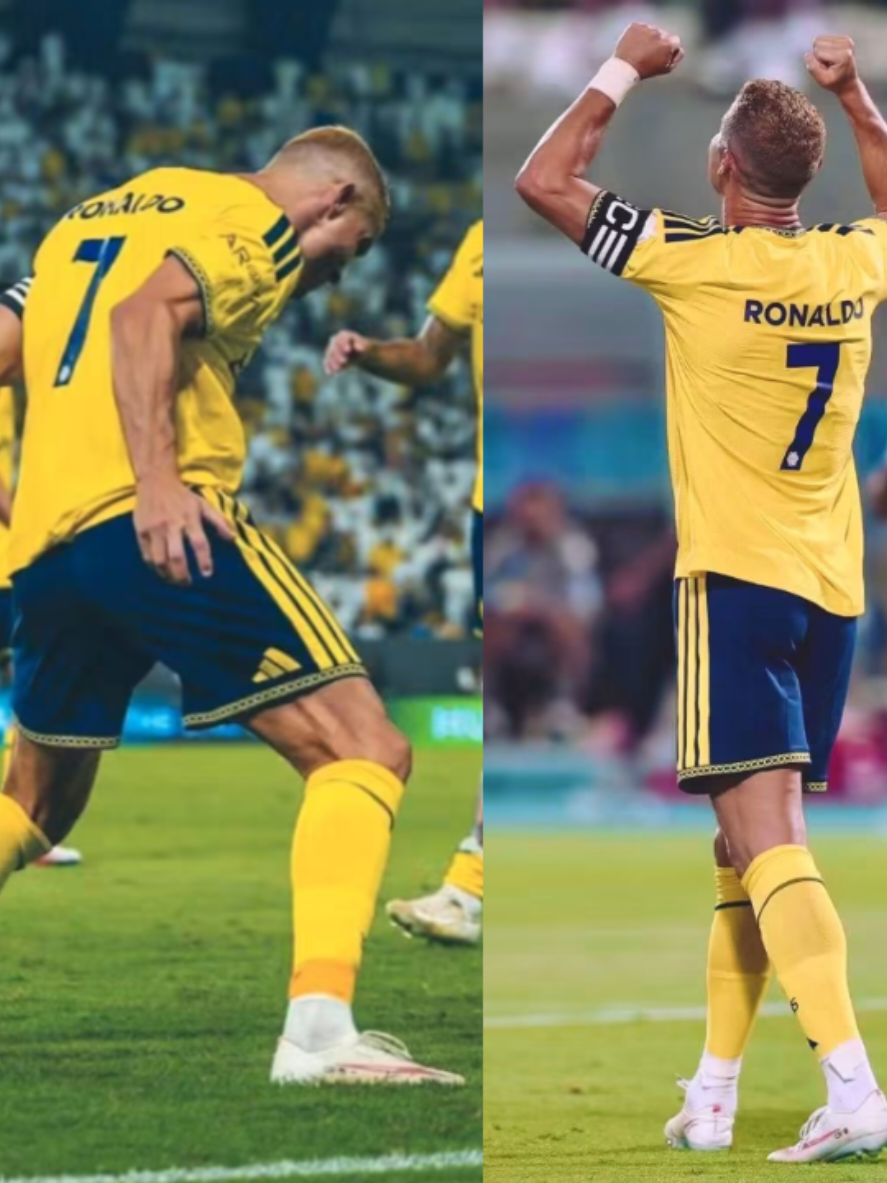
Cristiano Ronaldo is back on the quest for 1,000 goals, and these are his 977th and 978th goals.
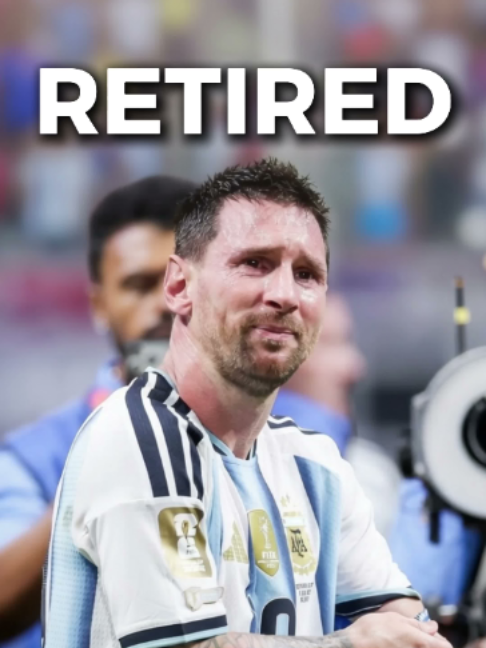
messi argentina retirement messi retiring messi edit
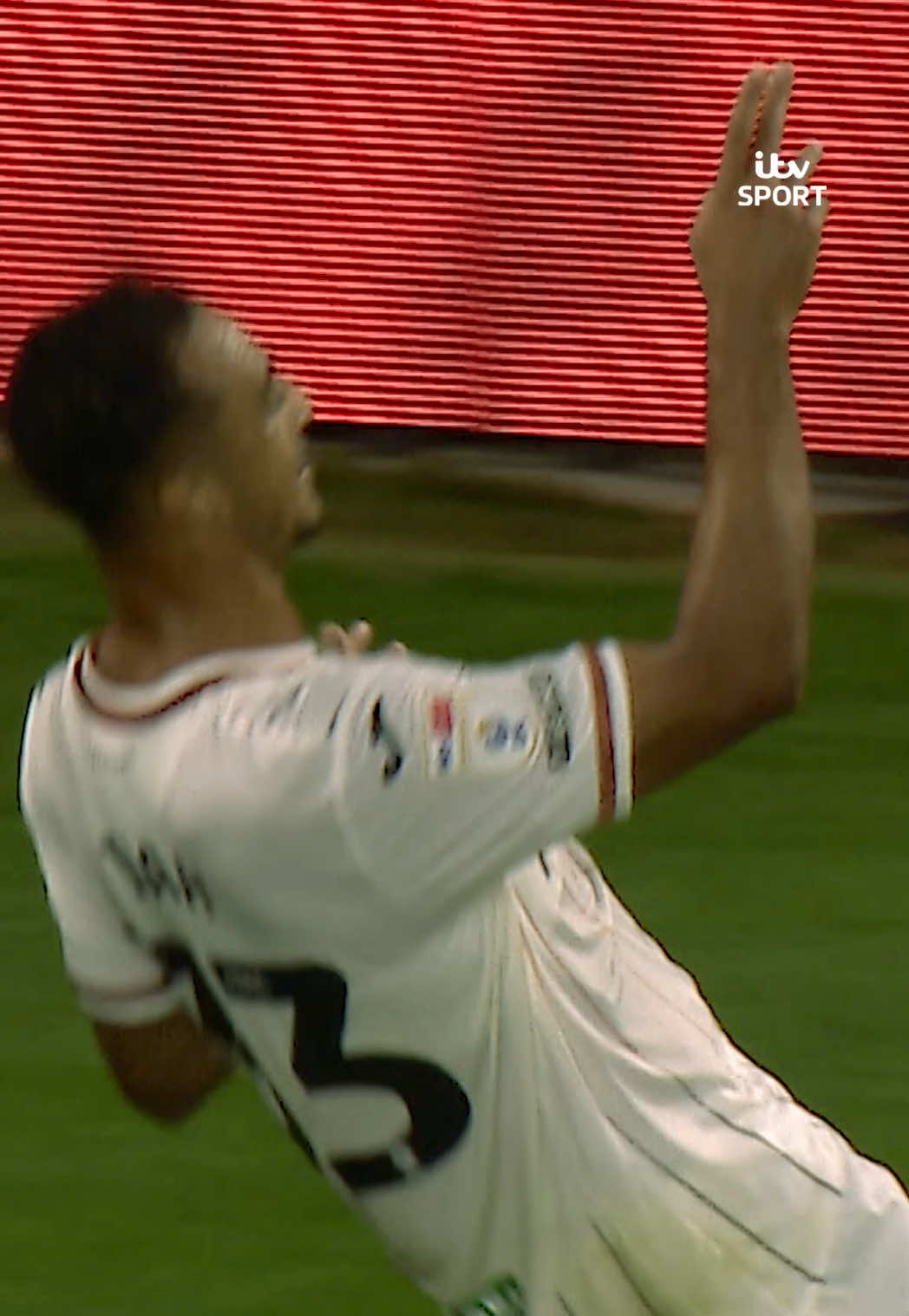
The Swans go TOP of the Championship 🦢
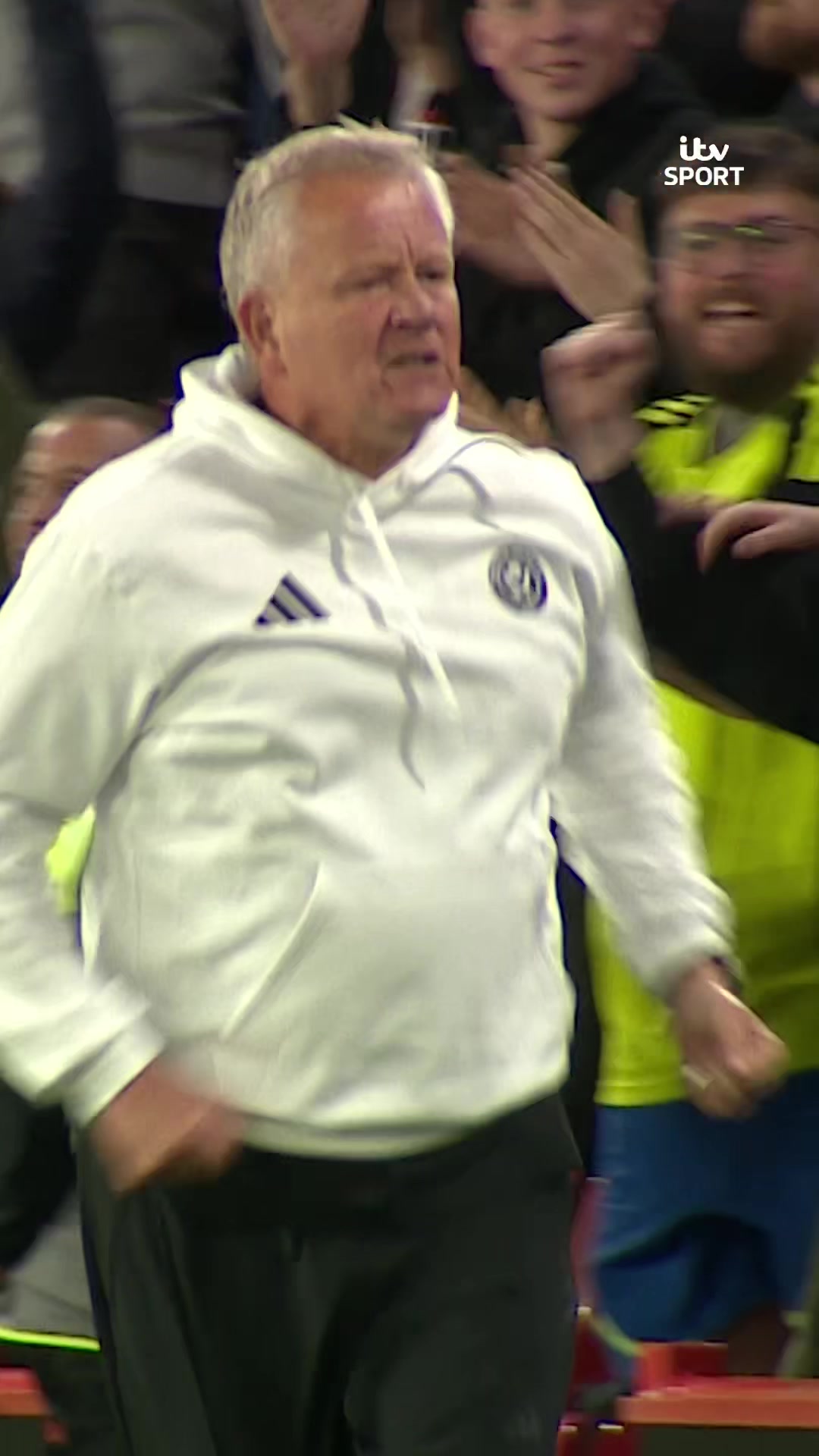
Sheffield United’s Romelle Donovan with an added time WINNER that sent Bramall Lane wild 🔥
 Links
Links
 Contact
 App
App


