



2026 World Cup Final: What to Know Before the Spain vs. Argentina Showdown



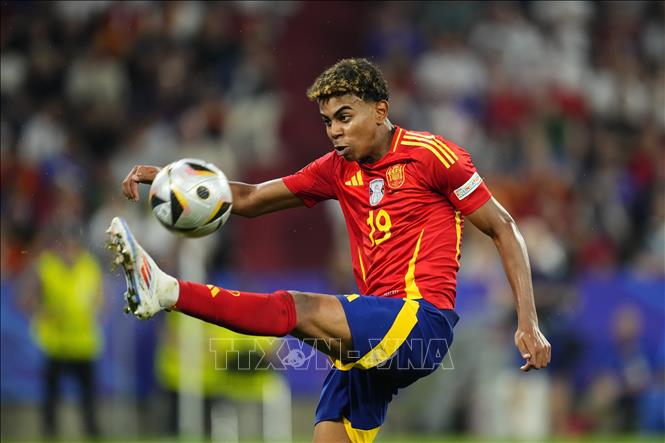
This is not only a clash between two of the world's top football nations but also a symbolic matchup of generations, as 19-year-old prodigy Lamine Yamal faces off against legendary Lionel Messi, now 39 years old.
The Battle Between the Strongest Attack and the Most Solid Defense
This year's final promises to be exciting as it pits two teams with contrasting styles against each other. Argentina has scored the most goals in the tournament with 19, while Spain has conceded just once, the best defensive record at the 2026 World Cup.
It is also the first time in 60 years that the South American champion and the European champion have met in a World Cup final, creating a highly competitive and evenly matched showdown.
Nevertheless, the Opta supercomputer leans toward the European representative, predicting Spain has a 59.46% chance of winning, while Argentina's chances of successfully defending their 2022 title stand at 40.54%.
The two teams have met 16 times across all competitions, with nearly identical records. Spain has won 6 matches, Argentina has also won 6, and the remaining 2 ended in draws.
Their most recent encounter was a friendly in 2018, where Spain secured a dominant 6-1 victory. Prior to that, Argentina won 4-1 in 2010.
At the World Cup, the two sides have only faced each other once, in the group stage of the 1966 tournament in England. On that occasion, Argentina earned a 2-1 win over Spain.
The Generational Showdown
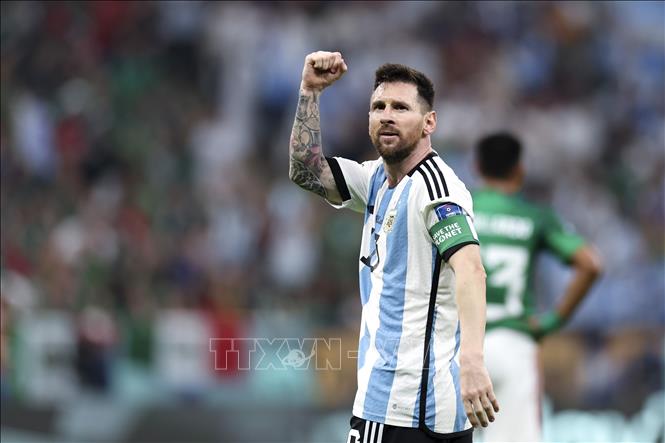
One of the biggest highlights of the final is the encounter between Lamine Yamal and Lionel Messi.
Yamal, the 19-year-old Spanish sensation, has repeatedly stated that Messi has been his childhood idol. Although he has not exploded as expected in the tournament due to injury setbacks, the winger is still regarded as a potential game-changer with his speed and technique.
On the other side, Messi continues to prove his class as Argentina's driving force, with 8 goals and 4 assists. The superstar born in 1987 has scored in every match before the round of 16 and has played a decisive role in bringing the tango team back to the final.
Besides Messi, Lautaro Martinez with 3 goals and midfielder Enzo Fernandez with 2 strikes have also contributed to making Argentina's attack the most feared in the tournament.
Meanwhile, Spain places high hopes on striker Mikel Oyarzabal, who has scored 5 goals at this World Cup, and midfielder Rodri, who has completed the most successful passes in the tournament with 648.
Spain has won the World Cup once, in 2010, while Argentina is aiming for their fourth title, following victories in 1978, 1986, and 2022.
In continental competitions, Spain is the most successful team in the EUROs with four titles, while Argentina holds the record of 16 Copa America championships, the most recent being in 2024.
Two Managers Confident Before Kick-off
Ahead of the match, coach Luis de la Fuente believes the final will be decided by technical quality rather than pragmatic calculations.
"I believe both Spain and Argentina will enter the game with clear plans, where talent and beautiful football will be prioritized," the Spanish tactician said.
Captain Rodri also affirmed that the current squad is not ready to stop after reaching the World Cup final. According to the midfielder, the team is satisfied with their journey so far but has much greater ambitions.
On the Argentine side, coach Lionel Scaloni had special praise for Messi, stating that his player is the greatest in football history and that leading the team to a World Cup final at age 39 is extraordinary.
Goalkeeper Emiliano Martinez also admitted that he has been moved to tears many times when thinking about what Argentina has achieved. The shot-stopper urged the entire team to savor this special moment and play with a relaxed mindset, as it will be an unforgettable memory in each player's career.
If the two teams are level after 90 minutes of regulation time, the match will go into two extra-time periods of 15 minutes each. Should the score remain tied, the 2026 World Cup champion will be determined by a penalty shootout from 11 meters.


Wonderfulshortvideo
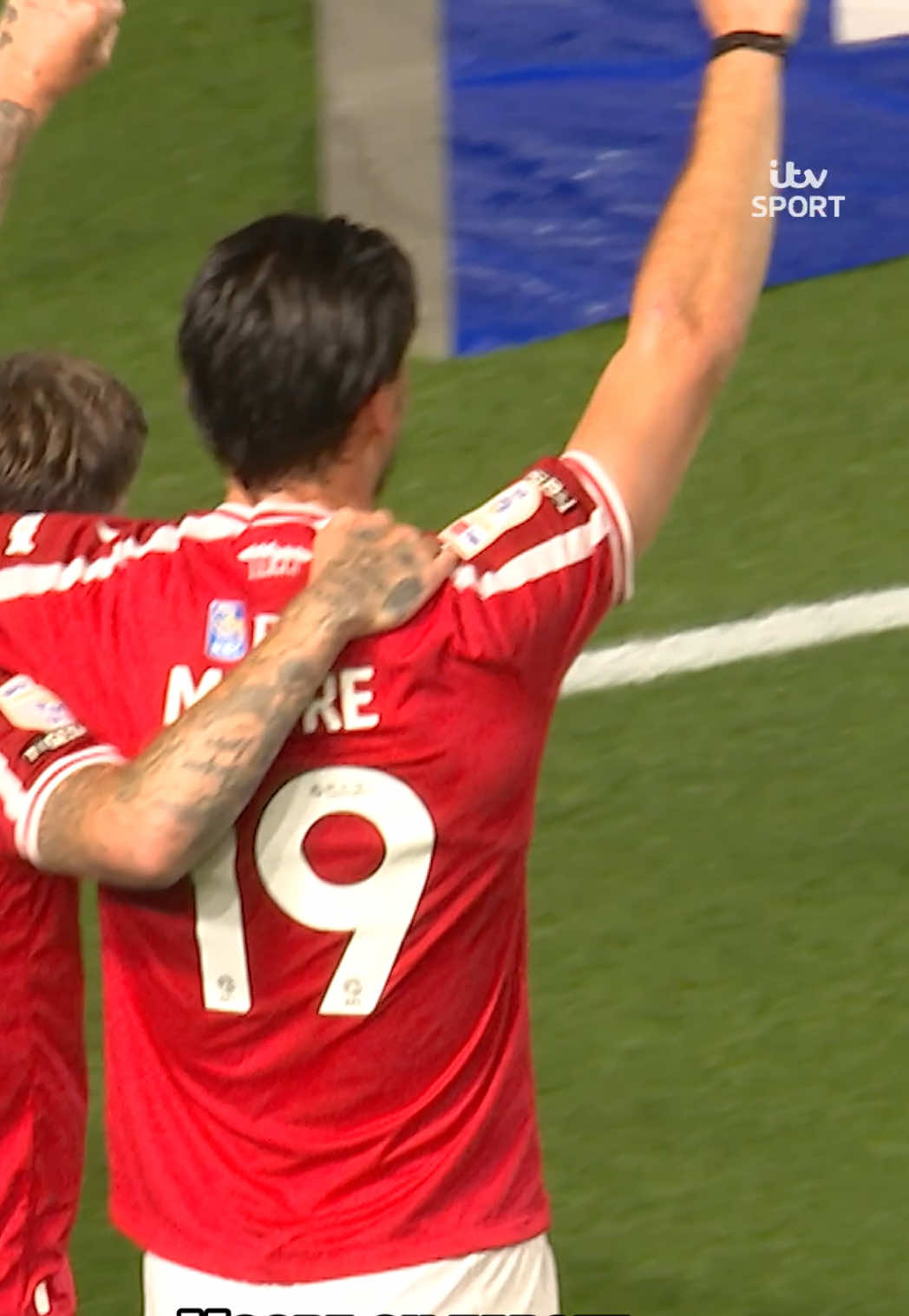
Lashed home by Kieffer Moore ☄️


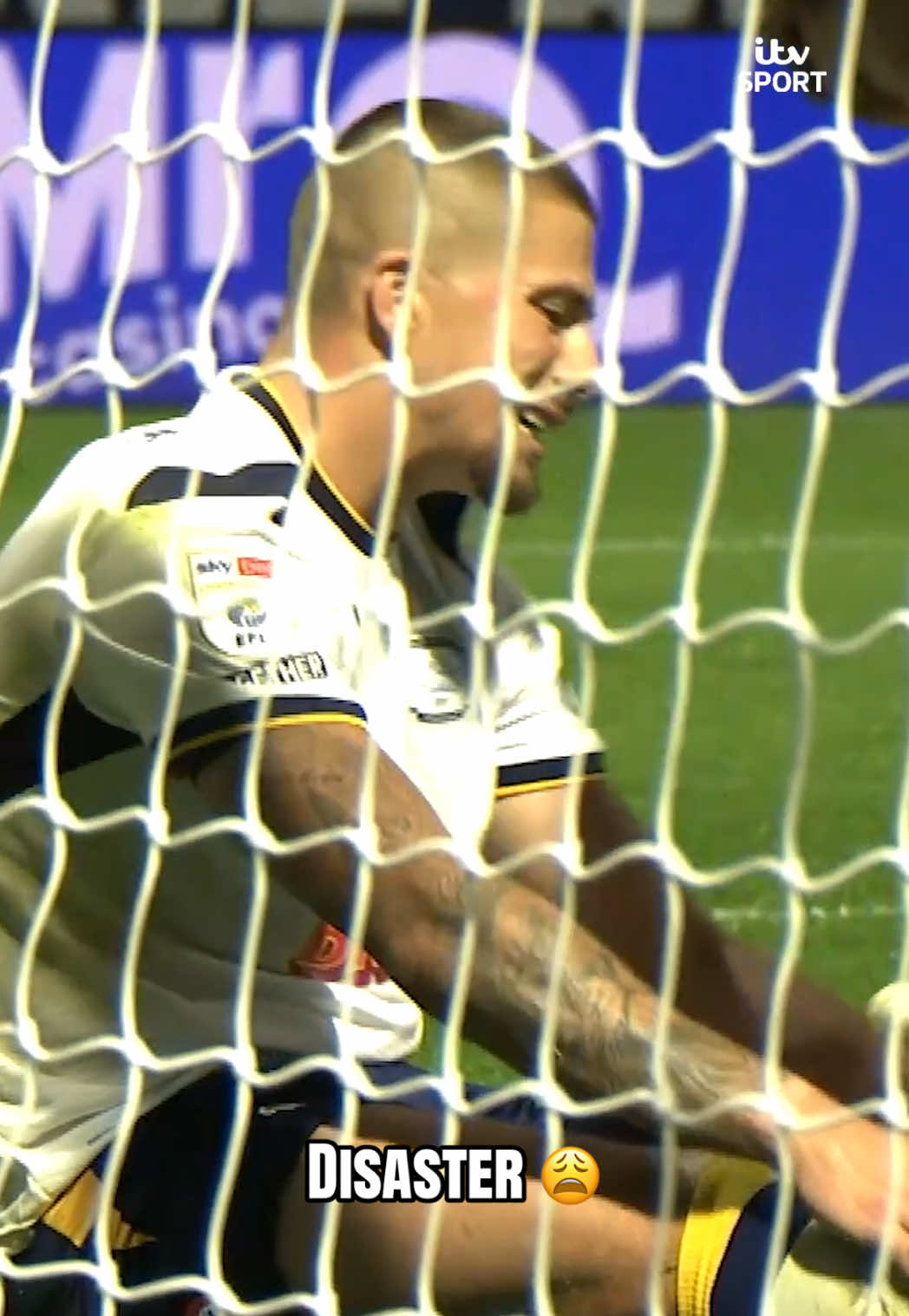
The saxophones are getting louder for Preston here…
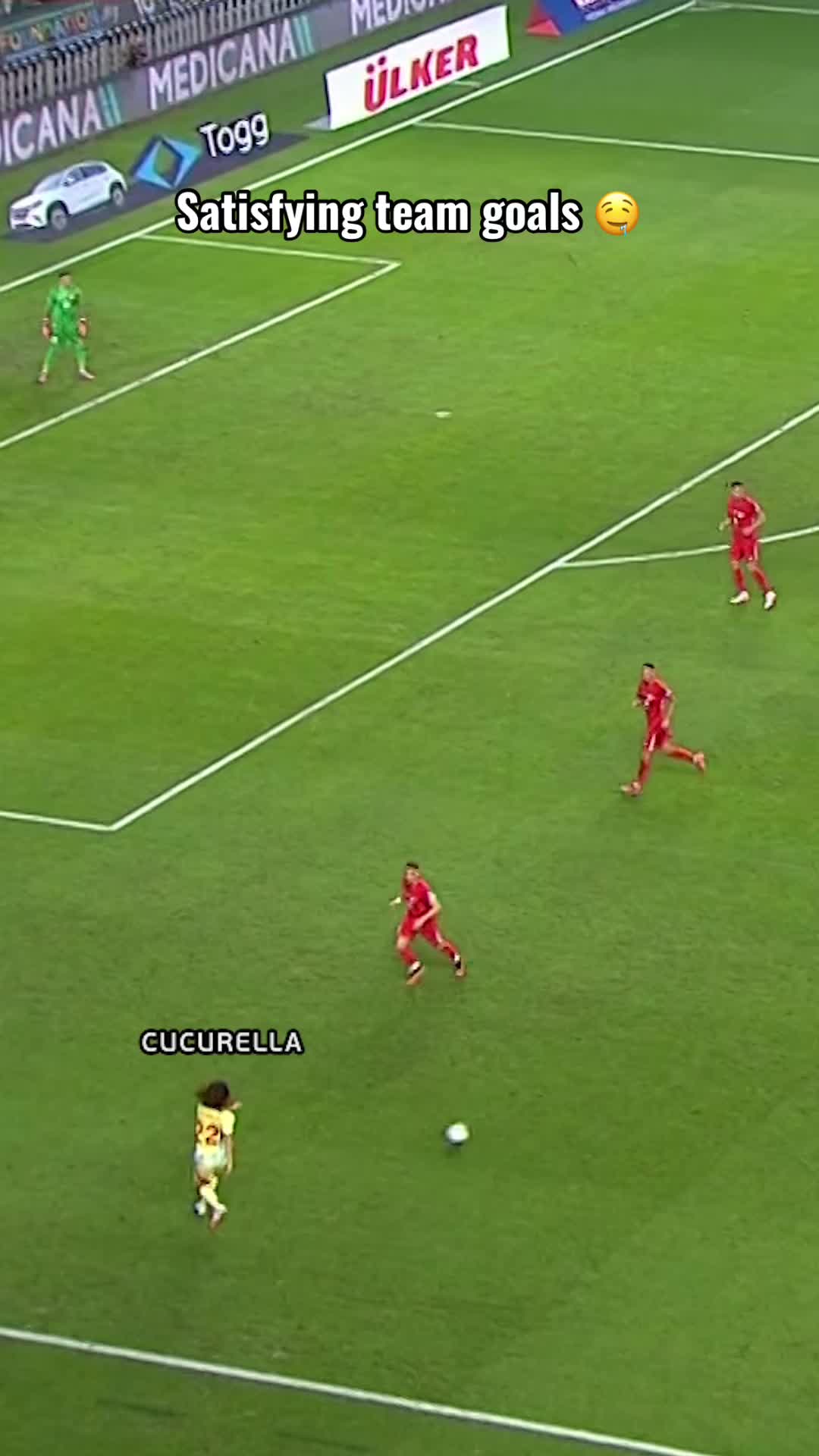
When football is simple but beautiful 😍
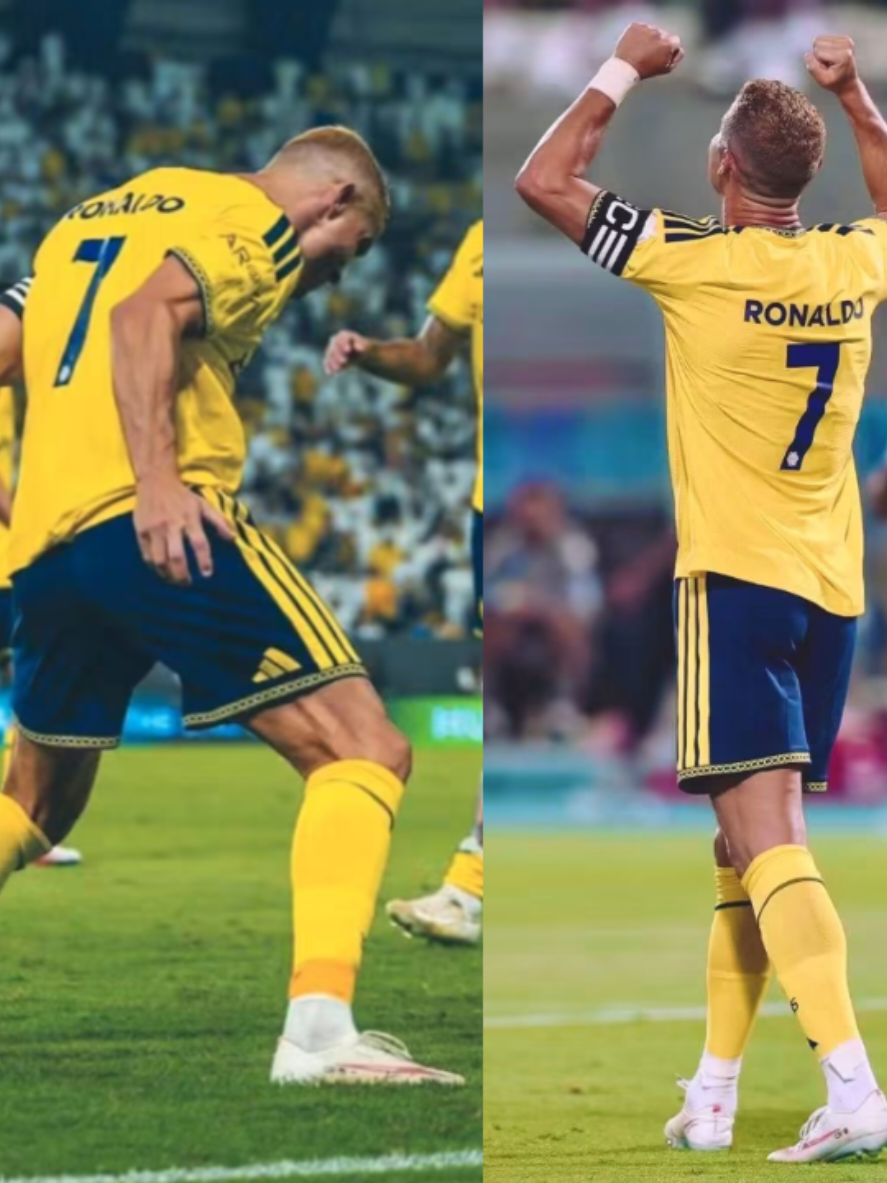
Cristiano Ronaldo is back on the quest for 1,000 goals, and these are his 977th and 978th goals.
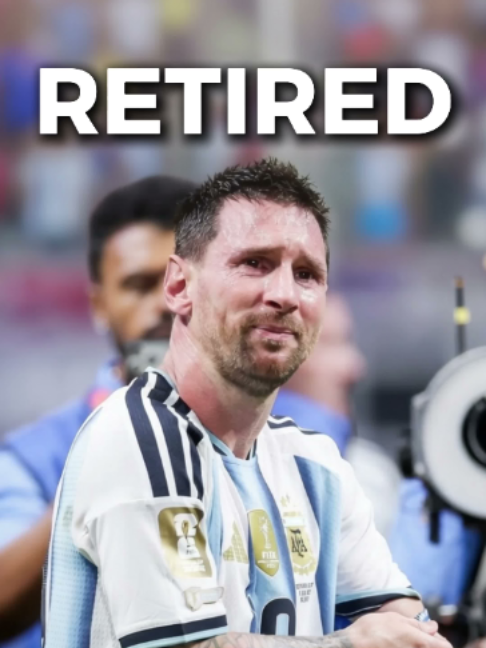
messi argentina retirement messi retiring messi edit
The Swans go TOP of the Championship 🦢
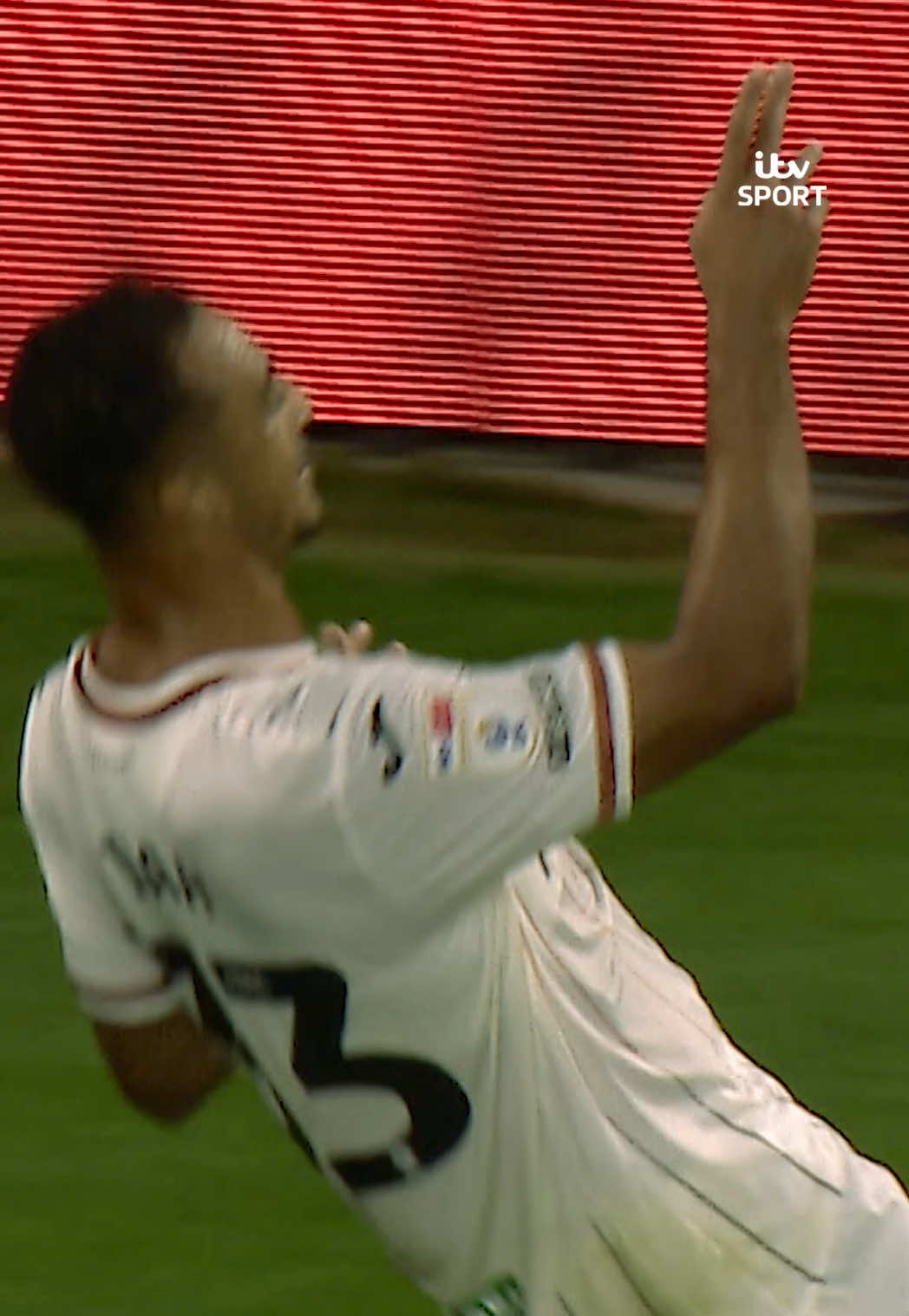
Sheffield United’s Romelle Donovan with an added time WINNER that sent Bramall Lane wild 🔥
 Links
Links
 Contact
 App
App


