



World Cup 2026: When the last border of football gradually disappears



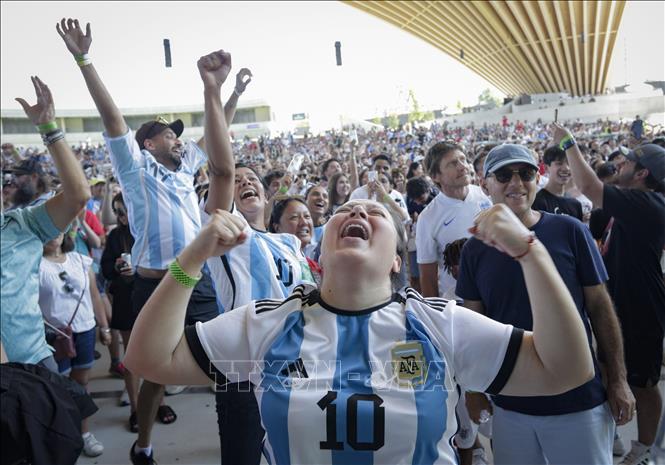
The glory of the 2026 World Cup does not lie in the number of goals, comebacks, or new records. The legacy of that "unprecedented" tournament lies in a very clear feeling: world football is becoming flatter. A Cape Verde that for the first time made the whole world mention its name. Three draws, three points, and a historic ticket. Cape Verde became one of the smallest countries by population to advance past the group stage in 96 years of the World Cup. They played with passion, starting by holding Spain to a draw before having a "once-in-a-century" opportunity to face Lionel Messi's Argentina in a major tournament.
Then from that very match, another story began. Argentina, the defending champions, needed 120 minutes to defeat Cape Verde 3-2. Then came a comeback after trailing 0-2 against Egypt, when Messi missed a penalty and then redeemed himself with a goal and an assist. Then another comeback, the fateful 7 minutes against England in the semi-finals, sending Argentina to the final against Spain.
Cape Verde wrote their own fairy tale. Argentina, the world champions, had to save their dream multiple times with grit in critical moments. Teams once considered "underdogs" no longer step onto the pitch waiting for a miracle, but step onto it with the belief that they can create it themselves.
The World Cup has never been easy to predict. However, the 2026 World Cup shows a deeper change. The gap between the top football nations and the rest of the world is being narrowed by the very tools that only the powers could previously afford, such as technology.
A study by Northeastern University (USA) indicates that tactical analysis based on artificial intelligence (AI) is helping to level the playing field between traditional powers and emerging football nations.
For the first time, a poor team can see the match through the same data lens as a rich team. Another example is the diverse approach to human resources. What made Cape Verde's miracle possible was a persistent strategy: seeking and persuading diaspora players to return and represent the national team.
These things make football borderless. Therefore, what fans witnessed at this year's World Cup is not just scoreline surprises, but also a change in how small teams prepare for each match. They analyze opponents more deeply, organize defenses more tightly, transition faster, and exploit set pieces more effectively. But if these era-defining changes make opportunities more equal, they do not create aspiration.
No algorithm can replace the spirit of Cape Verde when they wrote the most beautiful story in their country's football history. Nor can any "AI" create the resilience of Argentina in their most difficult moments. Numbers only help a team understand itself better. Victory is still always determined by people.
The 2026 World Cup thus offers Vietnamese football a thought-provoking perspective. The tournament tells not only the story of AI, big data, or the power shift between traditional media and social networks. The 2026 World Cup also tells the story of how football is giving every nation the right to dream bigger dreams.
In an era where technology is increasingly accessible, the gap between football nations will no longer be determined primarily by who has better technology, but by who builds a system that learns faster.
And perhaps that is the most beautiful message the 2026 World Cup leaves behind: The World Cup does not give any country a shortcut to success. Technology cannot replace tradition, culture, or playing identity. However, the World Cup has proven that every football nation has the right to stand on the same starting line in terms of access to knowledge. The World Cup simply opens a door, more fairly than ever, for all those who dare to step forward.


Wonderfulshortvideo
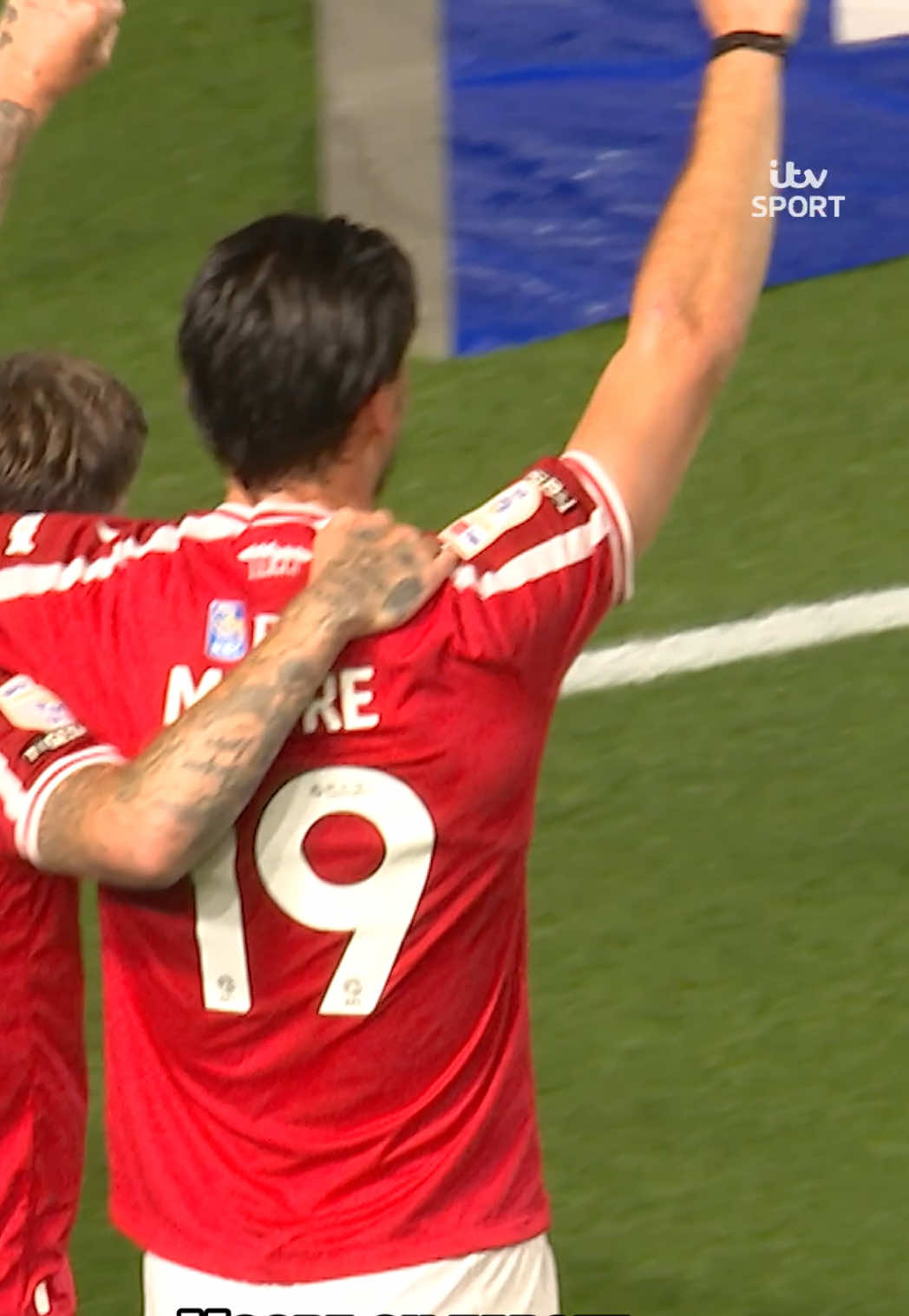
Lashed home by Kieffer Moore ☄️


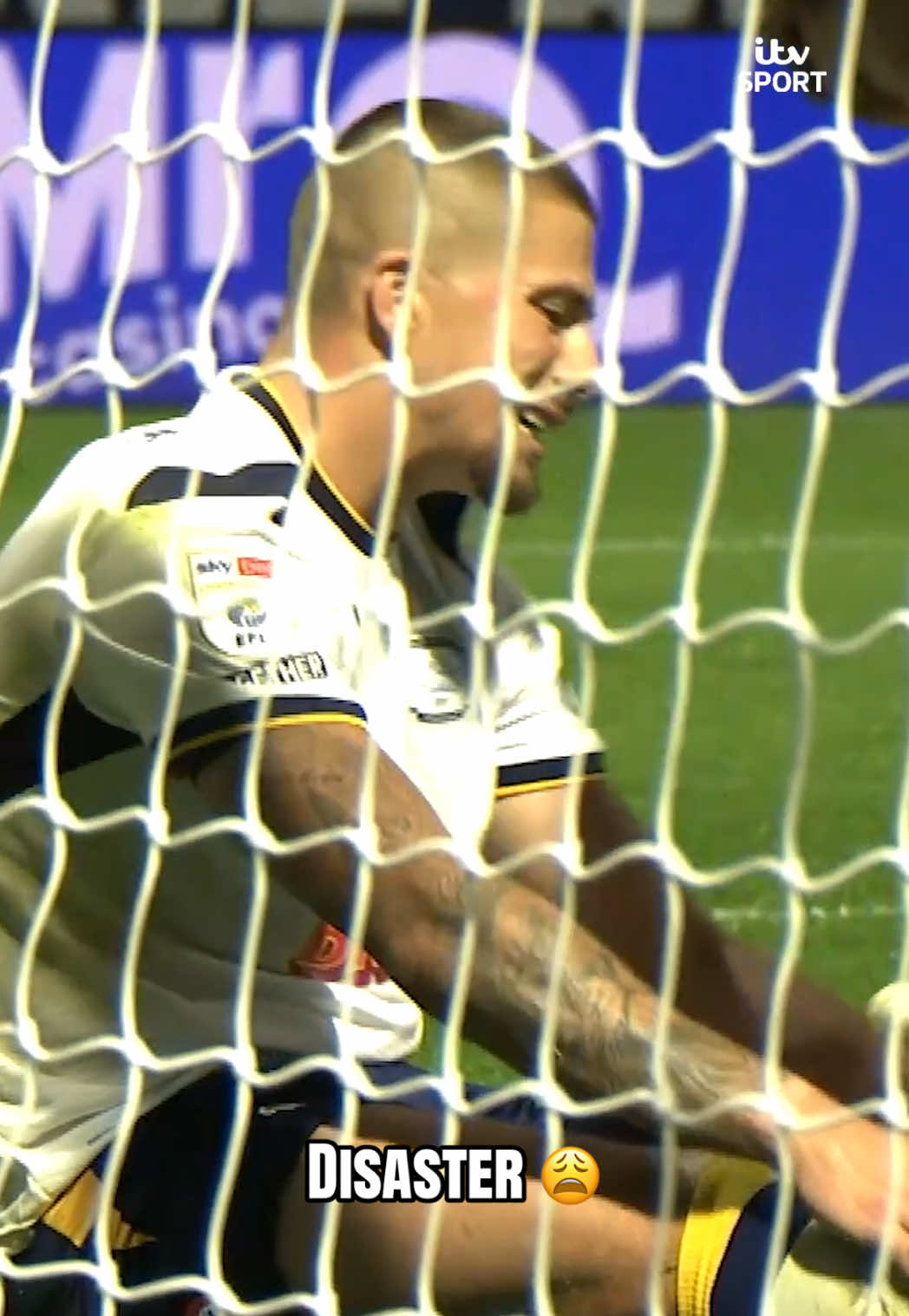
The saxophones are getting louder for Preston here…
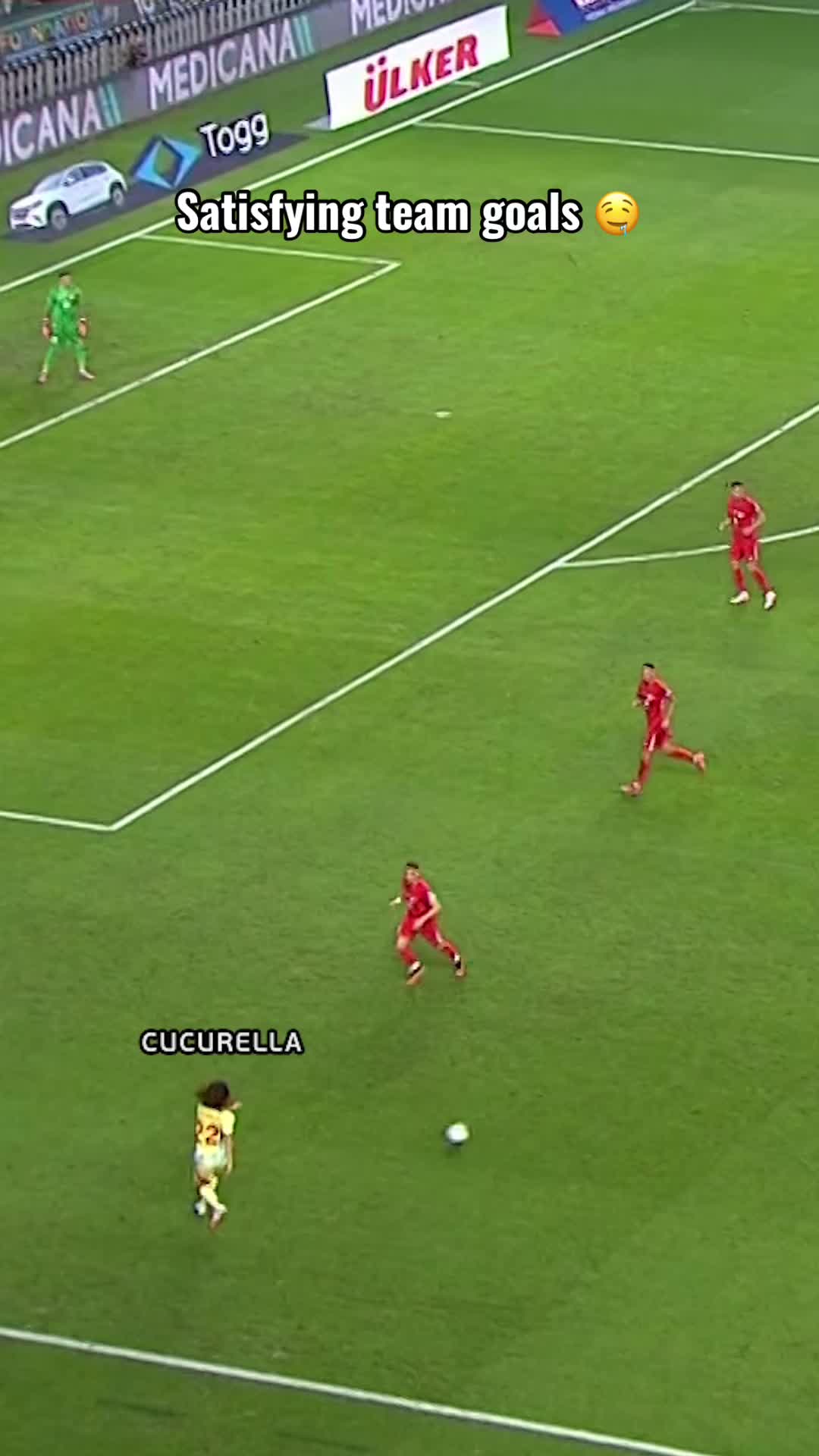
When football is simple but beautiful 😍
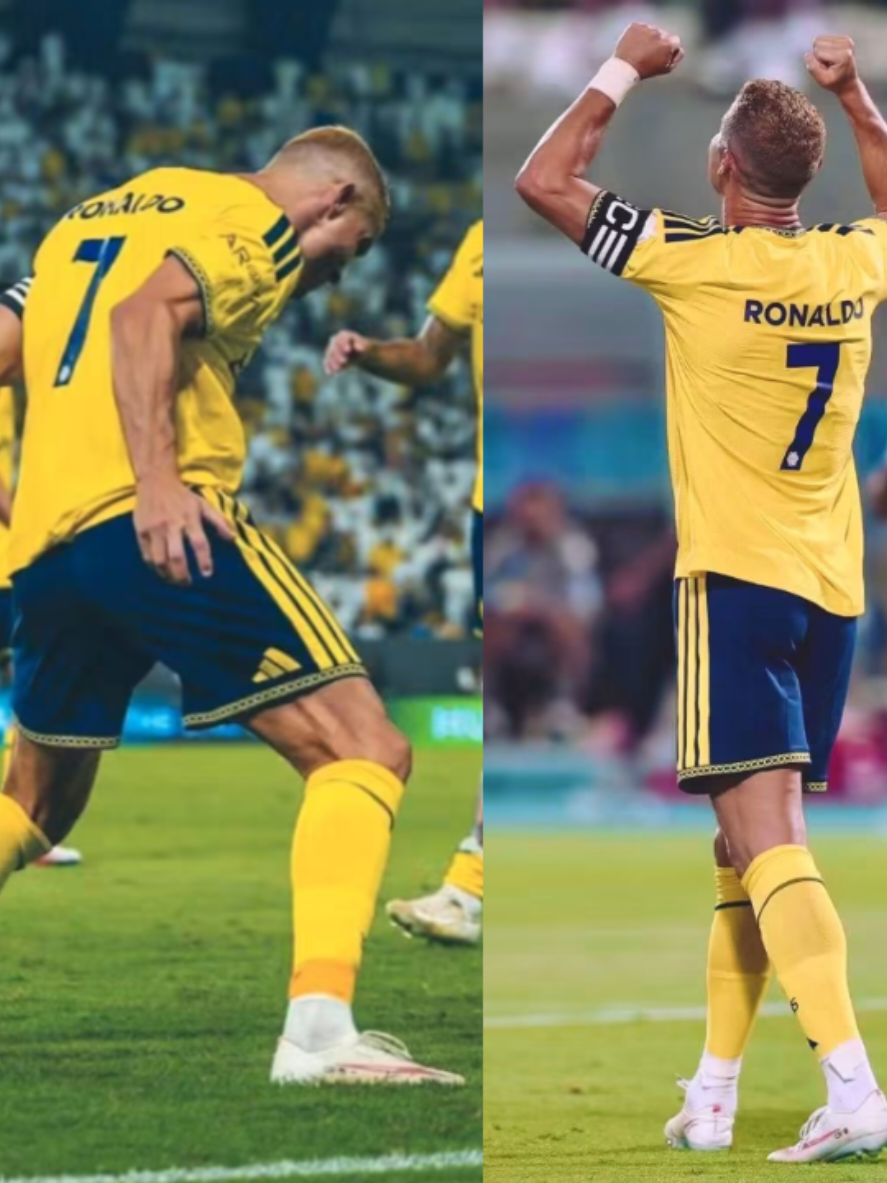
Cristiano Ronaldo is back on the quest for 1,000 goals, and these are his 977th and 978th goals.
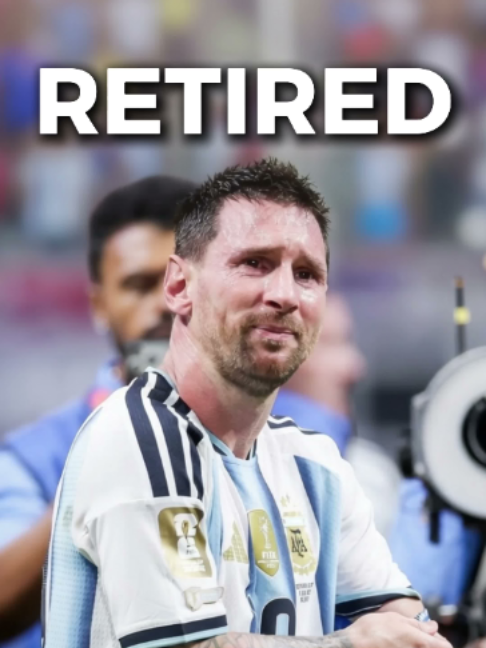
messi argentina retirement messi retiring messi edit
The Swans go TOP of the Championship 🦢

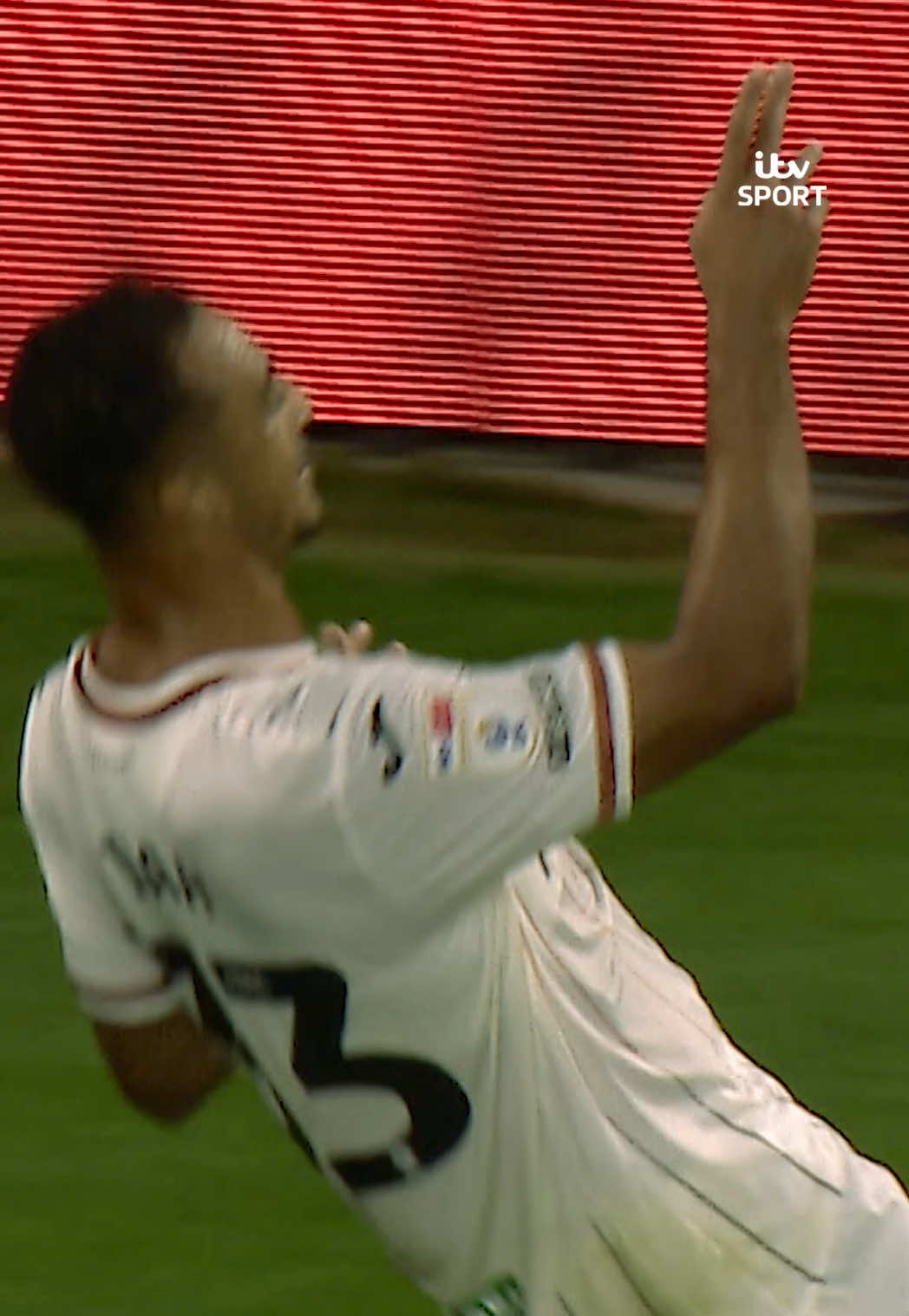
Sheffield United’s Romelle Donovan with an added time WINNER that sent Bramall Lane wild 🔥
 Links
Links
 Contact
 App
App


