



2026 World Cup Final: A Dream Symphony



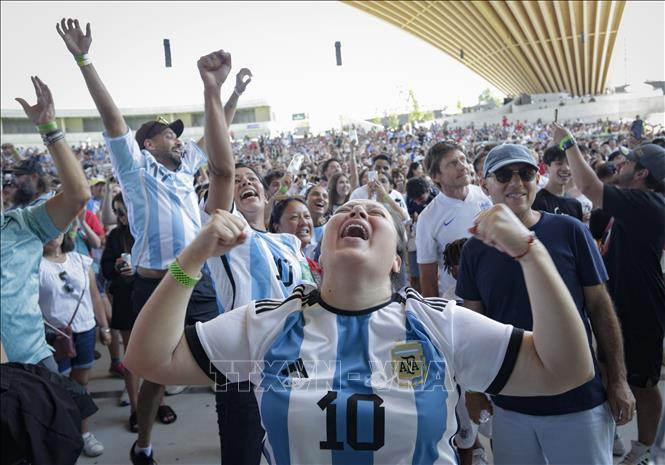
This is not just a clash between the two best teams in the tournament, but also a meeting of two schools, two identities, two football rhythms carrying the pride of South America and Europe on the same stage.
According to a TTXVN correspondent in New York, all preparations by both teams and the host city for the final have been ramped up to the highest level. New York, a city of grand gatherings, is donning a special football festival atmosphere. Local authorities and security forces have carefully prepared security plans, traffic management, and reception for hundreds of thousands of fans.
The crowds pouring in from everywhere ignite the area around the stadium like a wave of emotion. Flags, jerseys, and chants for favorite teams are transforming into a vibrant painting of a global football festival, where football transcends sports to touch the cultural and spiritual lives of millions.
Argentina enters the match as the "king defending the throne," a collective that has weathered countless storms and still maintains rare composure. The reigning world champions reach the final through a journey that showcases their mettle, resilience, and enduring fighting spirit—the very DNA of the "Tango Dancers." Under the blue-and-white stripes, one sees a seasoned team that knows how to wait for opportunities, be patient when needed, and explode at the right moment to turn quiet spells into turning points. Argentina plays disciplined defense, maintains proper spacing, and uses Enzo Fernandez's scientific pressing, ready to shrink to create gaps for sharp counterattacks and finishing blows named Lionel Messi. These are qualities forged in long, challenging nights where character is not spoken but shown through precise touches, timely interventions, and moments of standing firm against the storm.
If Argentina resembles a seasoned warrior, then the "Red Bulls" of Spain enter the final as artists of rhythm and space. The red-clad team embodies a collective that controls the game through the softness of their passes, the subtlety of their movement, and the maestro Rodri's exceptional ability to "deal the cards." Spain's strength lies mainly in its technical midfield, where continuous ball circulation can lure opponents into a maze of tempo and distance. When operating smoothly, Spanish players can leave opponents without the ball to play. However, World Cup finals are the ultimate test, where there is no room for error. And that is the biggest challenge Spain faces when meeting an Argentina that always knows how to wait for opponents' mistakes.
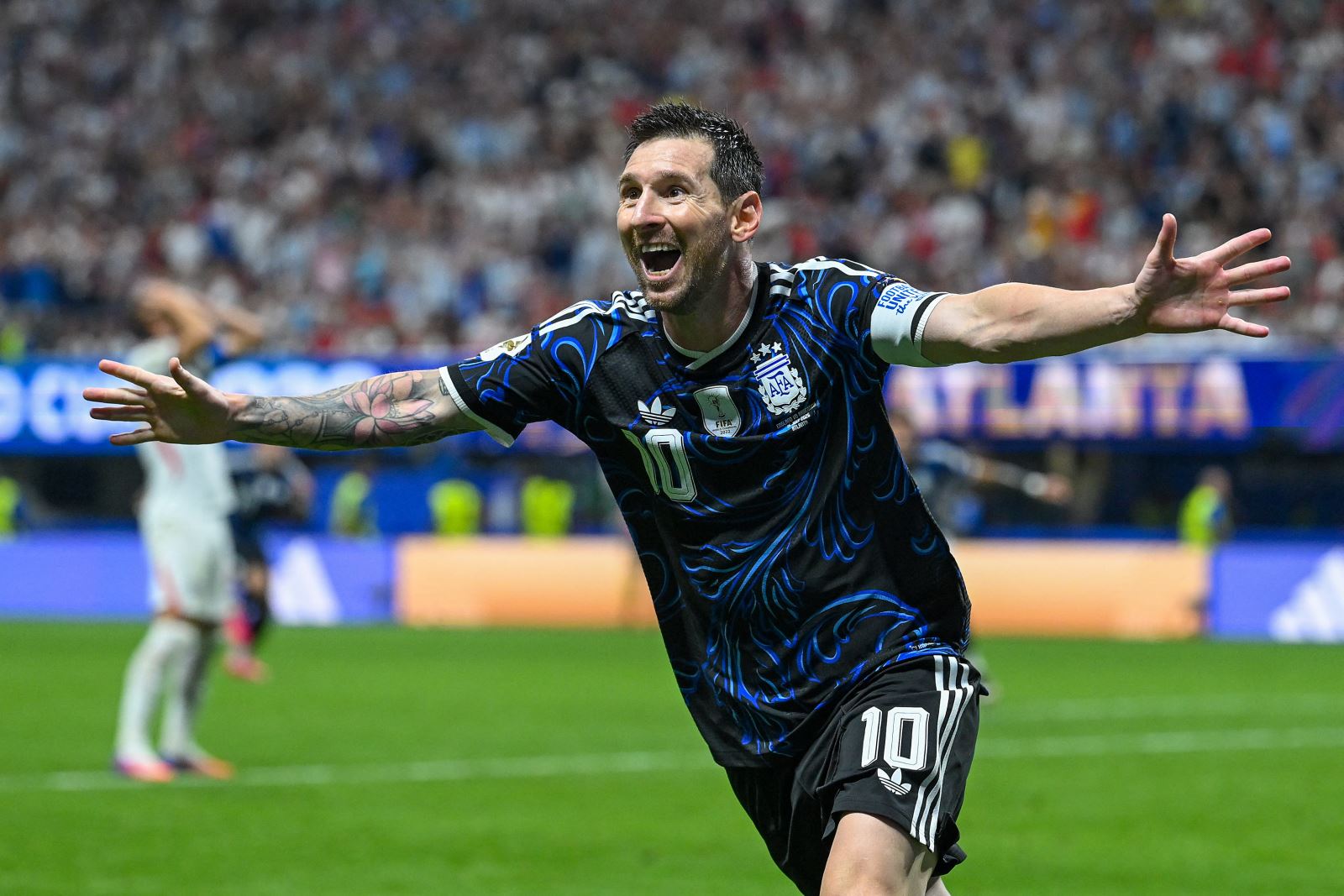
The clash between the two teams is thus predicted to be a battle not only of physical strength but also of tactical intelligence. Argentina will likely opt for a tight, patient, and pragmatic style, ready to drop deep at times to lock down the space in front of goalkeeper E. Martinez, then suddenly unleash a decisive strike. Conversely, Spain will surely try to keep the ball as much as possible, pulling opponents out of their defensive block with short passes to find a way to goal.
Experts believe this will be a tight, thrilling match that could be decided by a rare moment. It could be a sudden strike from Messi, Lamine Yamal, a miraculous save, or simply a tiny mistake in the penalty area. But it is precisely this fragility that makes the beauty of the 2026 World Cup final so special.
When all calculations are laid on the table, when every plan is prepared down to the last detail, football always retains a part of its unpredictable mystery. Under the brilliant lights of the biggest stage in football, the sport once again proves that its beauty lies not only in victory but also in how people step into that confrontation with all their passion, ambition, and love.


Wonderfulshortvideo
Lashed home by Kieffer Moore ☄️


The saxophones are getting louder for Preston here…
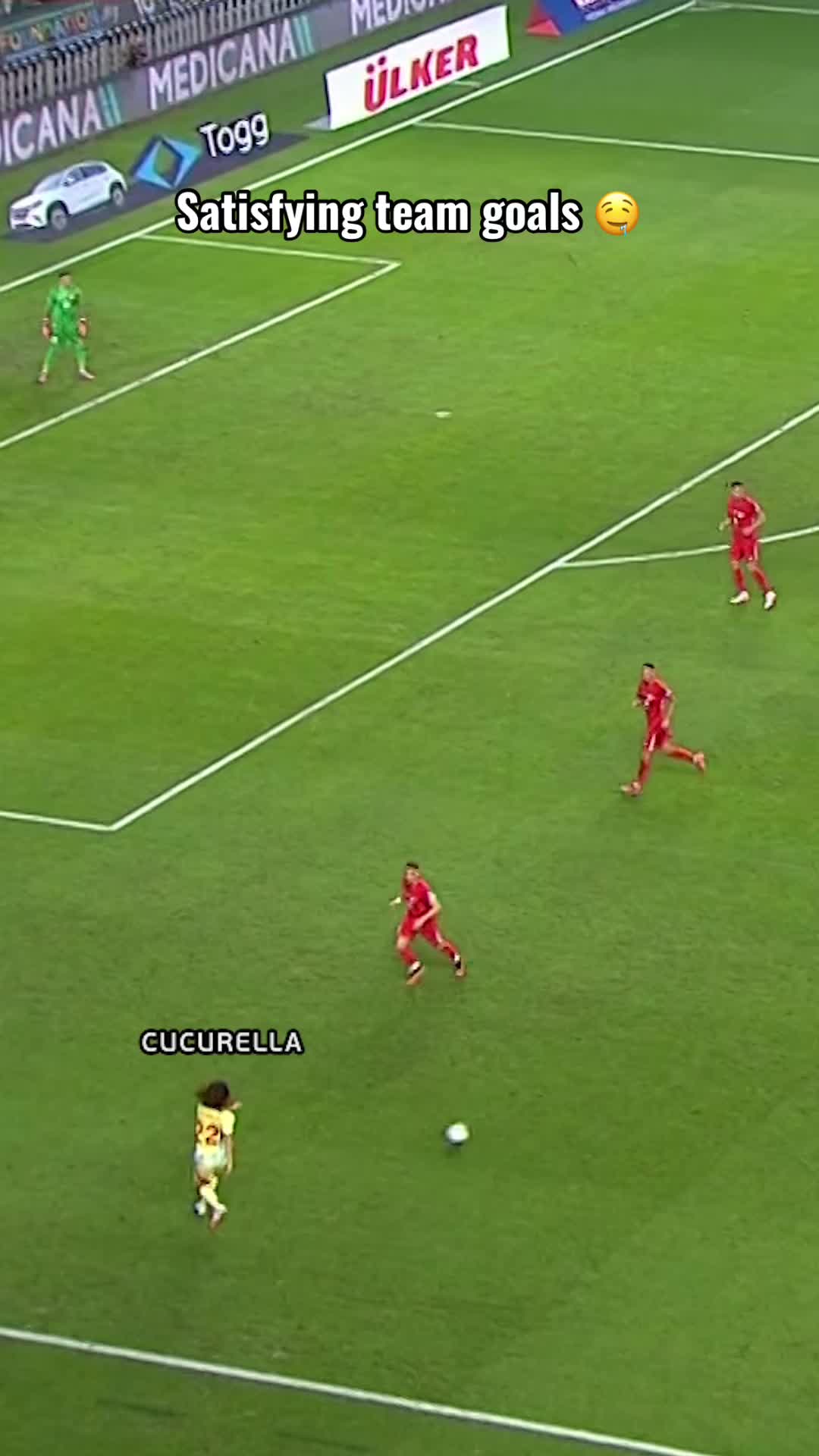
When football is simple but beautiful 😍
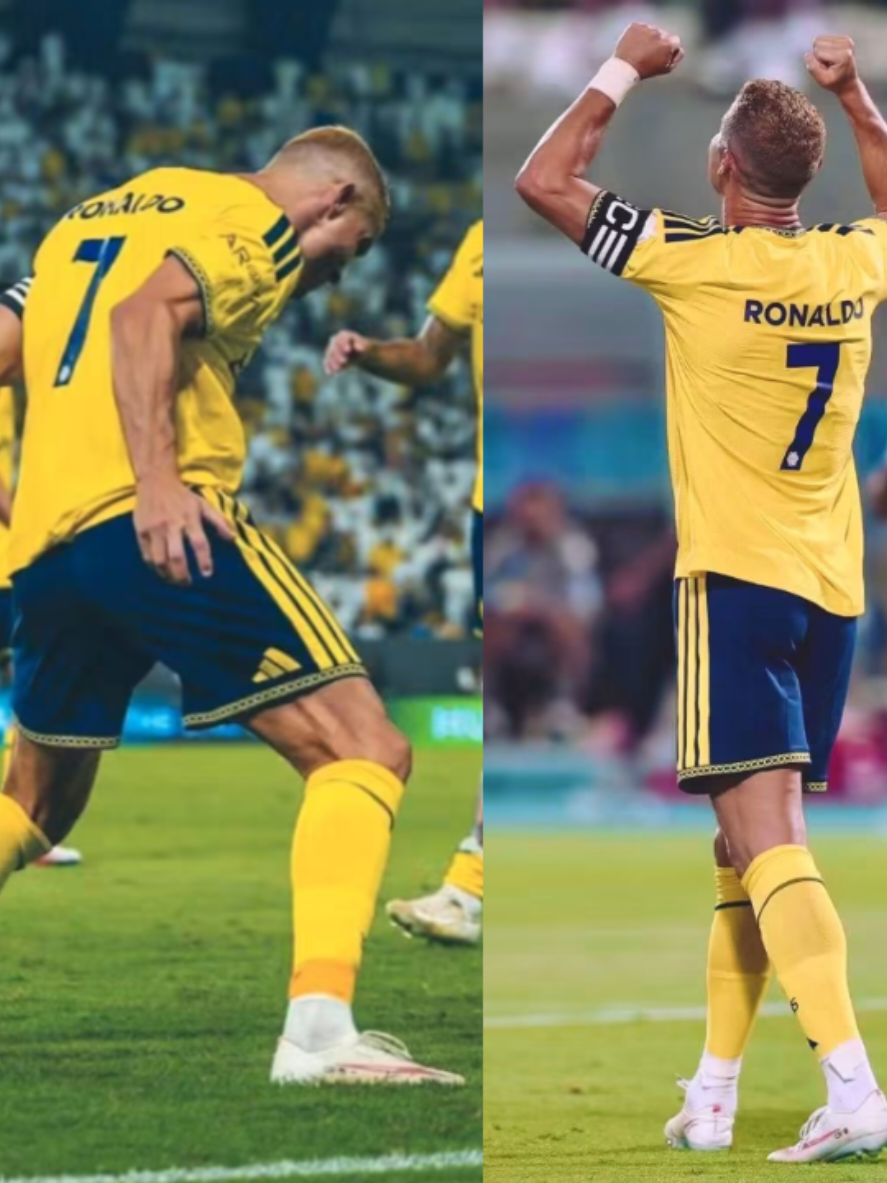
Cristiano Ronaldo is back on the quest for 1,000 goals, and these are his 977th and 978th goals.
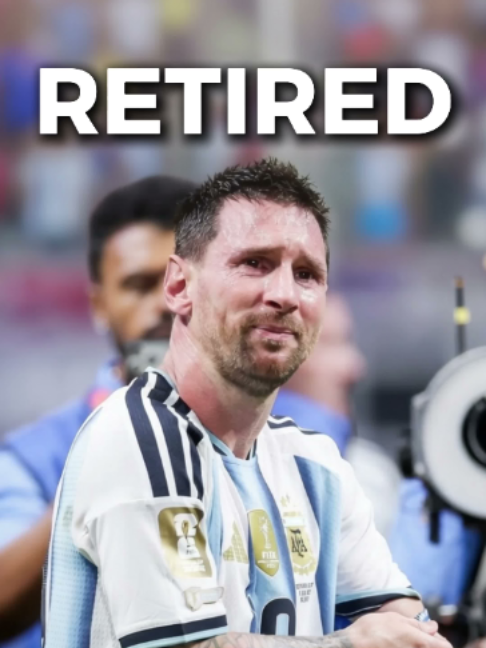
messi argentina retirement messi retiring messi edit
The Swans go TOP of the Championship 🦢
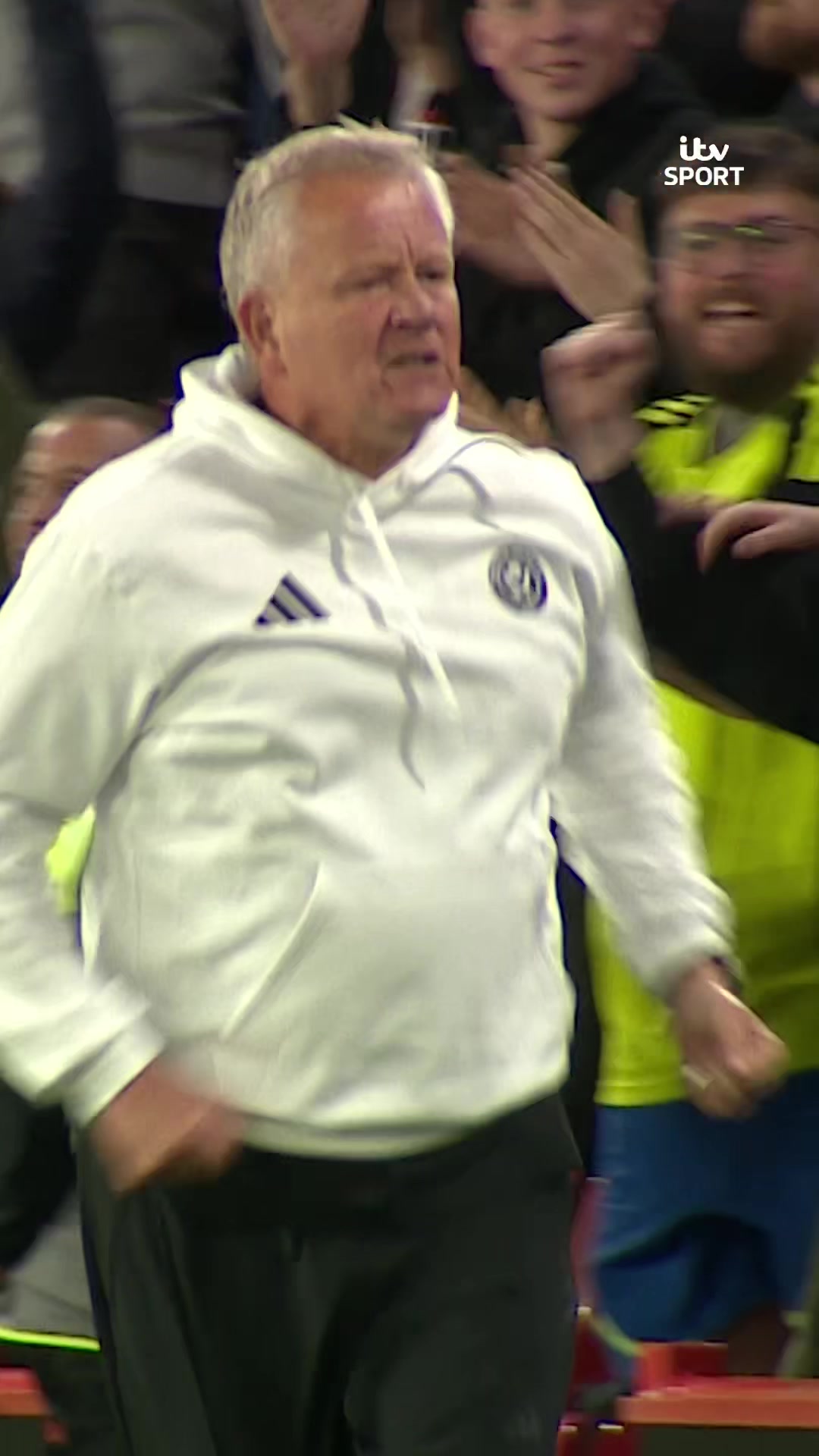
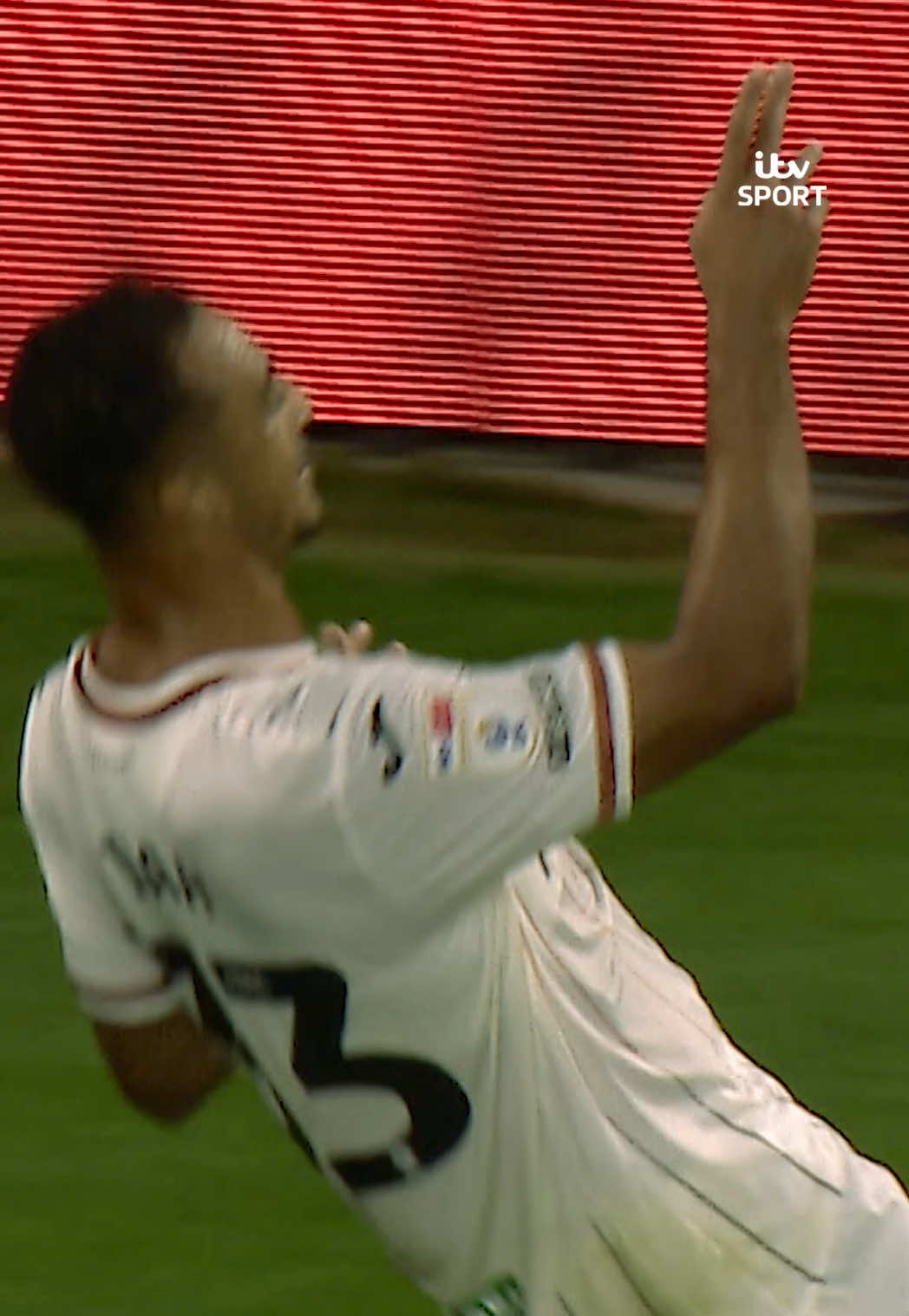
Sheffield United’s Romelle Donovan with an added time WINNER that sent Bramall Lane wild 🔥
 Links
Links
 Contact
 App
App


