



A new era named 'La Roja'



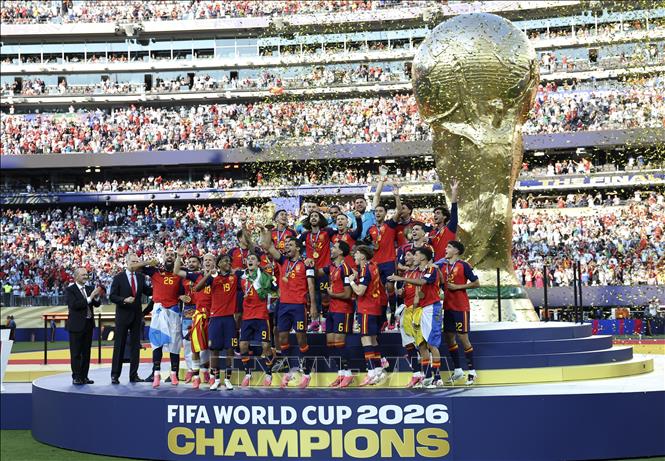
From France, Italy, Germany to Portugal, numerous major newspapers unanimously agreed on one point: "La Roja" is a fully deserving champion and has officially ushered in a new era of world football.
If the 2010 World Cup title marked the peak of the generation of Xavi, Iniesta, David Villa, Sergio Busquets, and Iker Casillas, then the 2026 World Cup is seen as a milestone opening the second golden generation of Spanish football. After winning EURO 2024 and finishing as runner-up in the 2025 UEFA Nations League, coach Luis de la Fuente's team completed their collection with the highest honor, affirming their number-one status on the world football map.
France's L'Equipe ran a prominent headline: "The New Kings," dedicating the front page image to Ferran Torres, who scored the decisive goal in extra time. France's leading sports daily noted that Spain almost completely dominated Argentina, while the South American team only managed their first notable shot in the 117th minute. According to L'Equipe, two years after winning the European Championship, "La Roja" continues to prove they are the strongest team on the planet.
Meanwhile, Spain's Marca could not hide its pride with the headline: "Kings of All Time!" The newspaper emphasized that the second star on the team's jersey is the result of a scientifically built collective where the common strength always comes before any individual. Marca praised coach Luis de la Fuente as the symbol of the new reign—a strategist who is not flashy but has become a legend by bringing Spain back to the top of the world.
According to Marca, the victory in New York New Jersey is not just a World Cup title, but could be one of the greatest achievements in the history of Spanish football. Although all eyes were on prodigy Lamine Yamal before the match, what made the difference was the collective strength, where any player could shine at the right moment.
Perhaps most striking was how Italy's La Gazzetta dello Sport commented on the final. The daily bluntly stated: "Spain had to win this match, because if Argentina had won, it would have been an insult to football." According to the Italian newspaper, Ferran Torres' goal awarded the cup to the most deserving team—a collective always faithful to the philosophy of beautiful football and proactive play. Conversely, Argentina was criticized for choosing an overly cautious approach, almost abandoning attacking intent and only waiting for the chance to take the match to penalties.
Per La Gazzetta, Argentine superstar Lionel Messi was almost isolated throughout the match, registering only one notable shot in the 117th minute, which was not enough to trouble goalkeeper Unai Simón. The newspaper noted that this was a regretful farewell for one of the greatest legends in football history.
In Germany, Bild praised Spain's perseverance and composure with the headline: "They kept pressing and finally got rewarded!" The daily especially highlighted the generational transition between Lionel Messi and Lamine Yamal, as the 19-year-old wonderkid was seen as the winner in the symbolic clash between the past and future of world football.
Meanwhile, Portugal's A Bola asserted that Spain "overwhelmed Argentina," also emphasizing that after the 2010 title, La Roja became the first team to reach the top of the world twice in the 21st century. According to A Bola, Ferran Torres was the only player who could beat goalkeeper Emiliano Martínez in a match where Spain dominated the game while Argentina was almost unable to apply pressure.
Not only dominating collectively, but Spain also swept the individual awards from FIFA. Captain Rodri was awarded the Golden Ball for the best player of the tournament, Unai Simón won the Golden Glove for the best goalkeeper, and 19-year-old center-back Pau Cubarsí was named the Best Young Player of the 2026 World Cup.
The fact that Rodri beat Lionel Messi to win the World Cup Golden Ball is seen as a well-deserved reward for the midfielder who just returned from a serious knee ligament injury. After winning the 2024 Ballon d'Or, Rodri added the World Cup to his trophy collection and became one of the very few players in history to simultaneously hold the World Cup, Champions League, and Ballon d'Or.
Meanwhile, goalkeeper Unai Simón set a record with seven clean sheets, conceding only one goal in eight matches. The Spanish goalkeeper stated that this achievement was the result of the entire defensive system rather than individual effort, while also emphasizing that the team successively overcame opponents with superstars like Cristiano Ronaldo, Kylian Mbappé, and Lionel Messi.
Behind that championship lies the strong imprint of strategist Luis de la Fuente. Without trying to copy his predecessors like Vicente del Bosque or Luis Aragonés, the 65-year-old coach built a more modern and flexible Spain, still maintaining possession-based play but with more speed and directness.
Most importantly, he created a collective that is almost independent of any single star. Lamine Yamal, Pau Cubarsí, and Nico Williams represent explosive youth; Dani Olmo, Cucurella, and Pedro Porro are in their prime; while Rodri, Fabián Ruiz, and Aymeric Laporte act as leaders both technically and mentally. The harmonious blend of three generations formed a team with almost no obvious weaknesses.
It is this foundation that leads many experts to believe that the 2026 World Cup title is only the starting point for La Roja's new cycle of success. Unlike many other champions who enter a phase of aging right after their coronation, Spain still boasts an ideal-age squad and a youth training system that continuously produces talent from clubs like Barcelona, Real Madrid, Athletic Bilbao, Villarreal, and Real Sociedad.
Fourteen years after the generation of Xavi and Iniesta ended the first golden reign, Spanish football once again stands at the top of the world. And this time, not only Spanish fans but also international media unanimously acknowledge: the 2026 World Cup champion is fully deserving, while signaling the beginning of a new era named "La Roja."


Wonderfulshortvideo
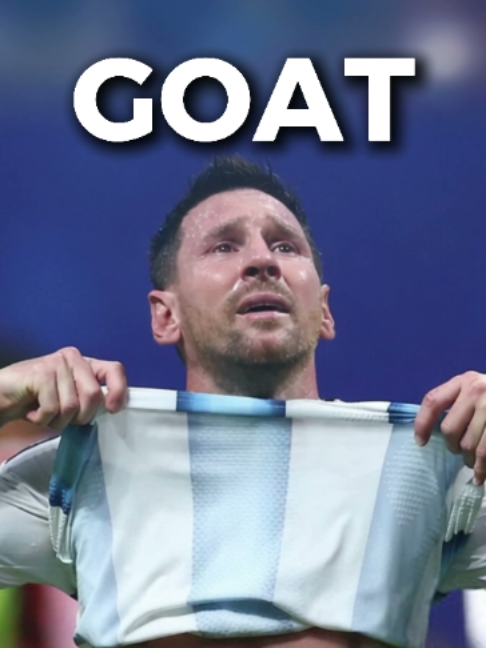
messi goal today messi assist today messi highlights vs egypt enzo fernandez goal today romero goal today argentina goals today argentina 3-2 egypt


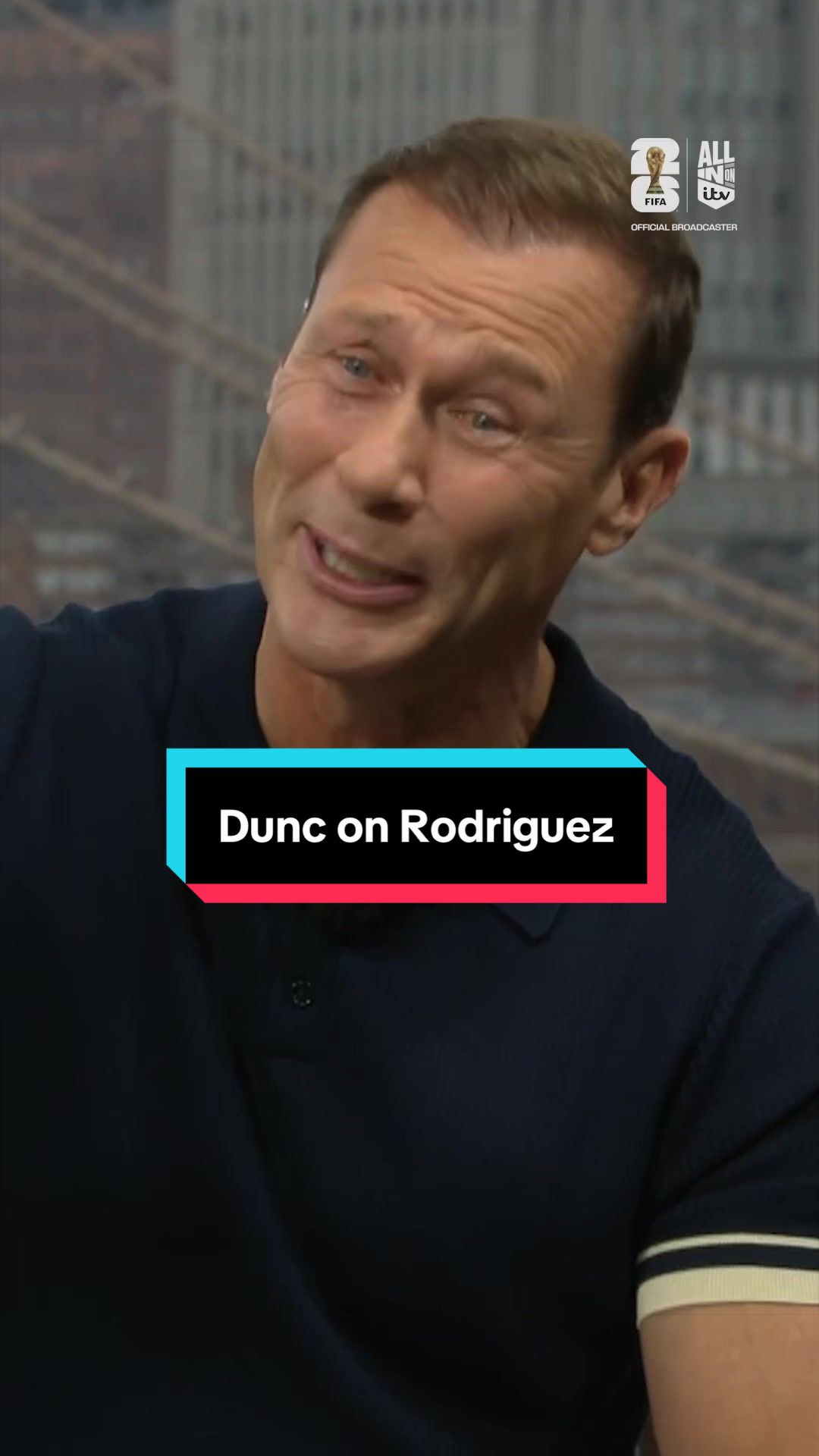
“Wonderful player, fantastic player, could not run” 😅
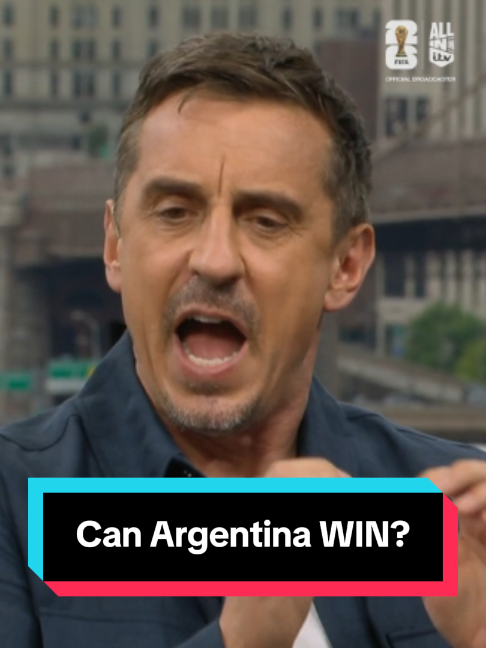
Neville, Keane and Wright DO NOT agree on the future of Argentina in the World Cup 👀
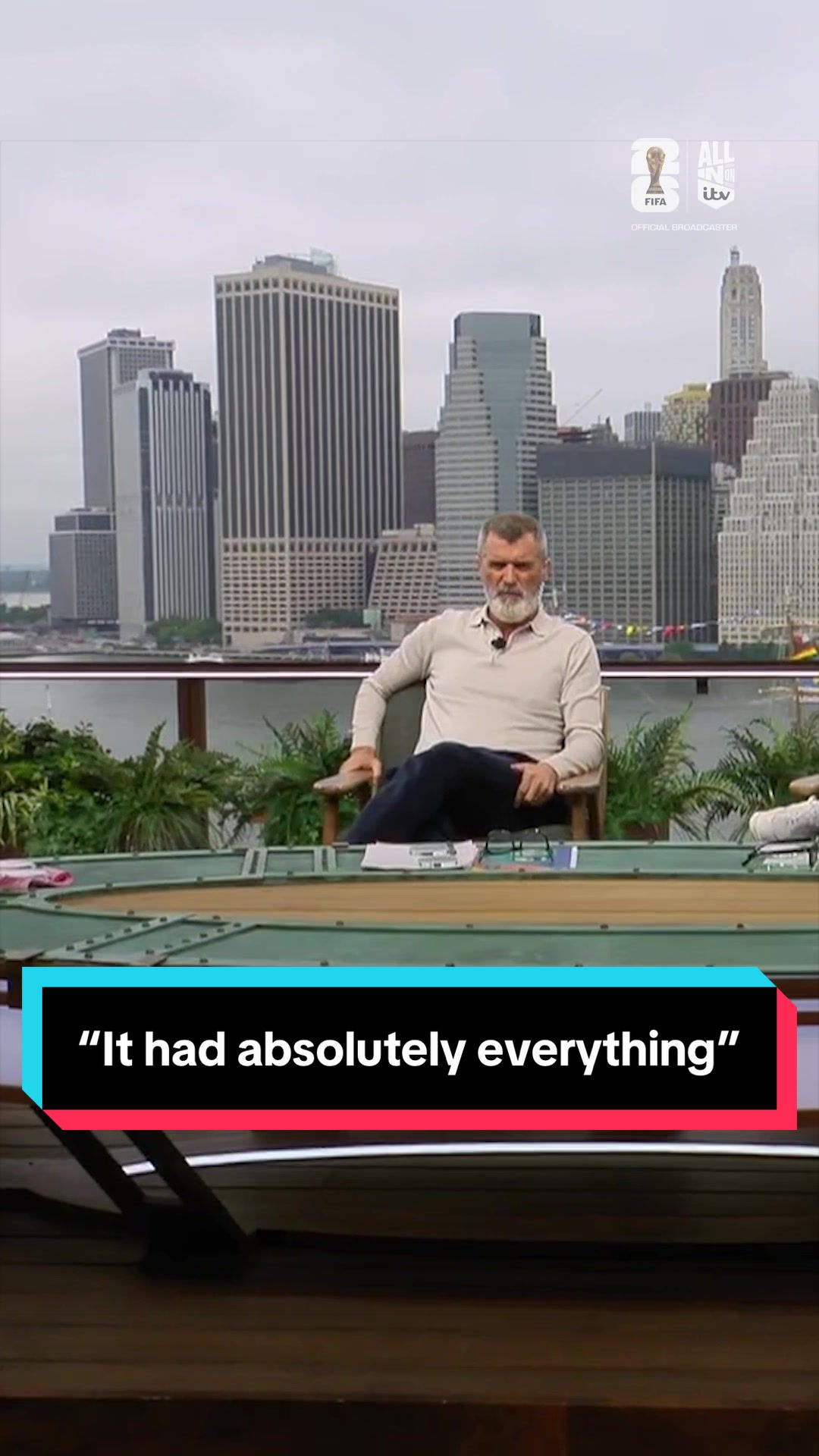
“It gave you everything” 👀
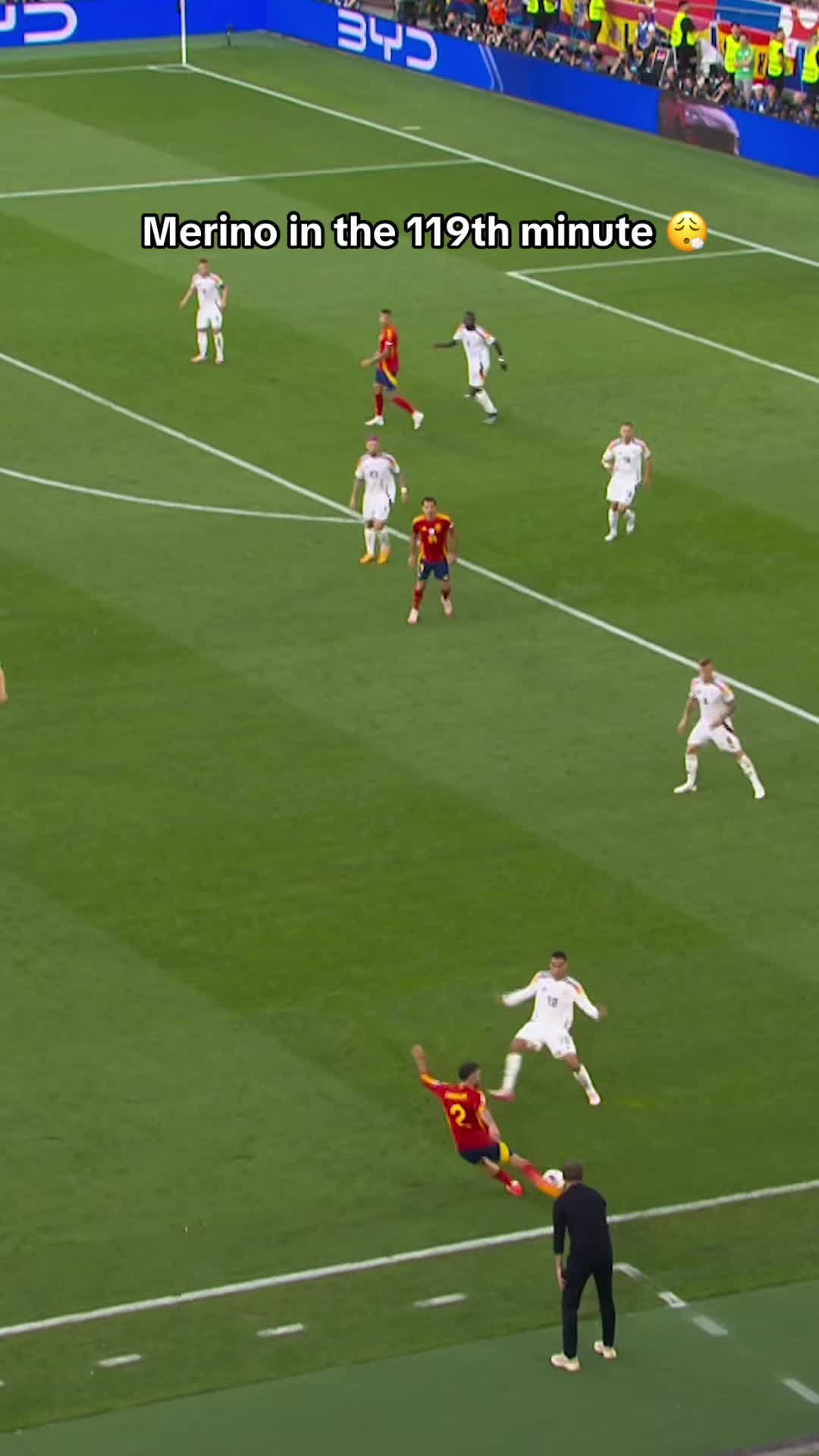
Clutch Merino 😮💨
merino goal today portugal 0-1 spain ronaldo interview today ronaldo retirement retiring
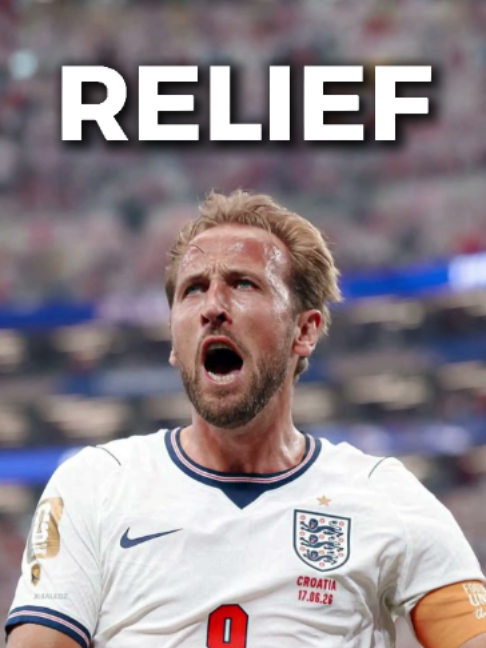
kane goal today kane highlights today england 2-1 congo
 Links
Links
 Contact
 App
App


