



ASEAN Cup 2026: Vietnam National Team Flexes Muscle, Thailand Encounters Hardships



Traditionally entering each ASEAN Cup as the favorite, Thailand's national team is now facing a vastly different reality in the 2026 tournament. For the first time in many years, the team is not only challenged by its roster but also falls behind Vietnam in readiness.
Newly appointed coach Anthony Hudson himself has deliberately downplayed his team's expectations. Thailand remains the most decorated team in ASEAN Cup history, having won the title seven times.
Nevertheless, past achievements are no longer sufficient to secure the top spot as they head into the 2026 competition.
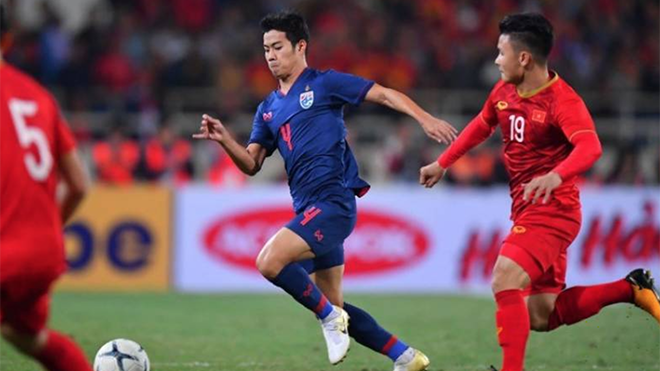
Sarach Yooyen represents a beacon of hope in Thailand's midfield, bringing a wealth of experience. Photo: Changsuek.
In reality, the 'War Elephants' find themselves in an unusually adverse position, spanning squad strength, preparation, and competitive objectives. In contrast, the Vietnam team enjoys nearly every advantage as they set their sights on retaining the title.
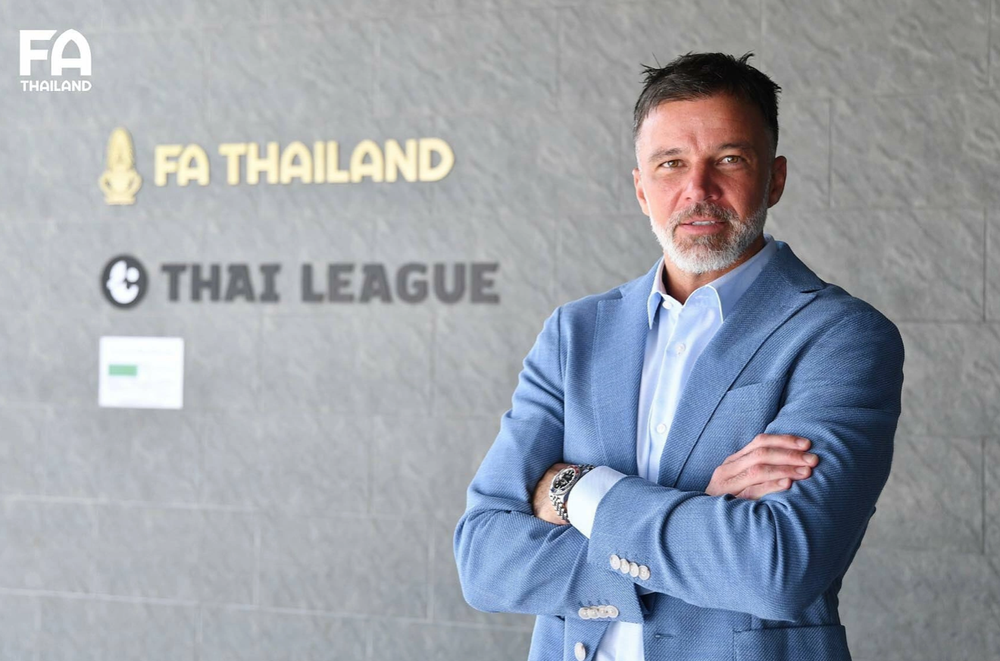
Head coach Anthony Hudson acknowledged that Thailand is not the top favorite to win the 2026 ASEAN Cup. Photo: FAT.
Significantly, even Anthony Hudson himself does not view Thailand as the most promising contender. The English tactician has repeatedly stressed that Vietnam is the team to beat, owing to their extensive month-long preparation and a fully assembled, strongest lineup.
While the Vietnamese squad assembled early and had a long period of time to letcoach Kim Sang Sikassemble the squad, perfect tactics, and test personnel, while Thailand only started gathering from mid-July with a patchwork force and many shortages due to Thai clubs no longer willing to sacrifice their interests as before to serve the national team. He was forced to accept an imperfect list, combining veterans and many young faces.
This has led Thailand to, for the first time, step intoASEAN Cupwith a rather cautious attitude. Even the President of the Football Association of Thailand, Madam Pang, has only set the target of 'going as far as possible', instead of demanding to win the championship as in previous tournaments. This message accurately reflects the difficulties that Thai football is facing.
The 25-man squad boasts an average age of 28.4, including ten players aged over 30. Seasoned figures such as goalkeepers Chatchai and Kampol, defenders Narubadin and Pansa Hemviboon, as well as midfielders Sarach Yooyen, Pokklaw Anan, and Worachit Kanitsribampen serve as the experienced core. Forwards like Teerasak Poeiphimai, Yotsakorn Burapha, and Gustavsson are young but already have national team experience.
Remarkably, midfielder Chawanwit Saelao, who currently plays in Thai League 3, was still called up—a rare occurrence for a team that typically maintains very high standards in squad quality.
Per Siamsport, the Thai national team is upholding an intense training regimen with three daily sessions: morning physical conditioning, afternoon tactical drills, and evening strength training in the gym. The team is also consistently playing practice matches against U21 BG Pathum United and Port FC to assess their lineup.
The high training intensity cannot make up for the curtailed preparation period, nor can it offset the absence of top stars. Even striker Patrik Gustavsson will only be able to join the squad from August 5 and will likely only be ready for the final group stage match against Myanmar.
The pressure onThailandalso originates from their own group. Apart from perennial thorn Malaysia, a steadily improving Philippines, and a resolute Myanmar, Laos is no longer an easy opponent as in the past.


Wonderfulshortvideo
messi goal today messi assist today messi highlights vs egypt enzo fernandez goal today romero goal today argentina goals today argentina 3-2 egypt



“Wonderful player, fantastic player, could not run” 😅

Neville, Keane and Wright DO NOT agree on the future of Argentina in the World Cup 👀
“It gave you everything” 👀
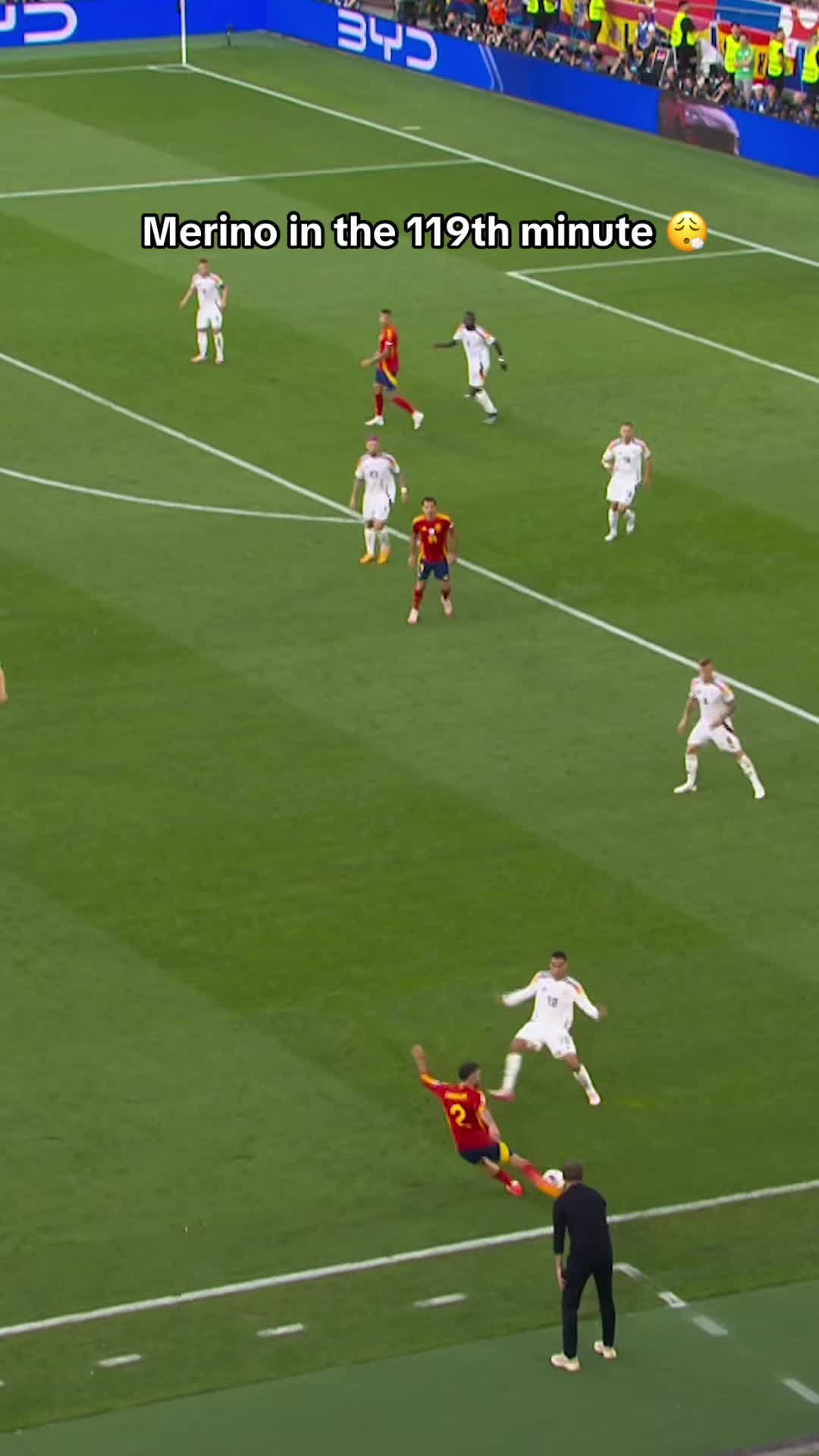
Clutch Merino 😮💨
merino goal today portugal 0-1 spain ronaldo interview today ronaldo retirement retiring

kane goal today kane highlights today england 2-1 congo
 Links
Links
 Contact
 App
App


