



Djokovic: Federer is the most graceful, Nadal possesses incredible physical prowess, and I stand somewhere between the two.



Recently, Serbian tennis legend Djokovic gave a rare in-depth exclusive interview, analyzing the distinctly different tennis philosophies and playing styles of the Big Three from the dual perspectives of both rival and close friend, sparking widespread discussion.
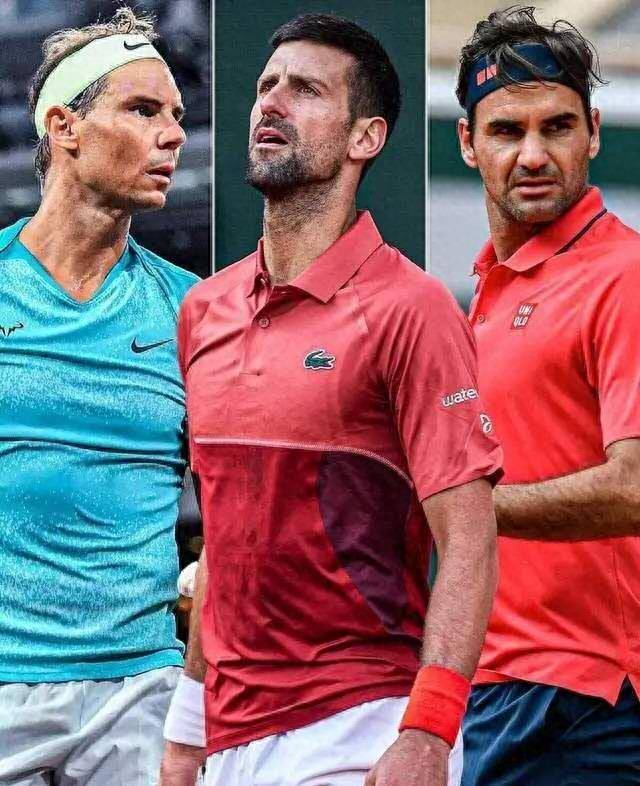
Djokovic portrayed Federer with an almost artistic appreciation: “He is the most talented, graceful, and aesthetically pleasing tennis player I have ever witnessed. He uses his energy extremely efficiently, moving with lightness, elegance, and effectiveness, all appearing effortless.”
This appraisal precisely captures the essence of Federer’s tennis. The Swiss maestro’s matches are an art form where ultimate efficiency is wrapped in supreme elegance. Fans often joke that his footwork resembles “walking on water” because he always reaches the optimal hitting position with the fewest steps. More importantly, his grace and restraint on court have earned him the nickname “a player with no weak angles” among tennis photographers. This is because no matter the camera angle, Federer never displays wild gestures or exaggerated facial expressions when striking the ball.
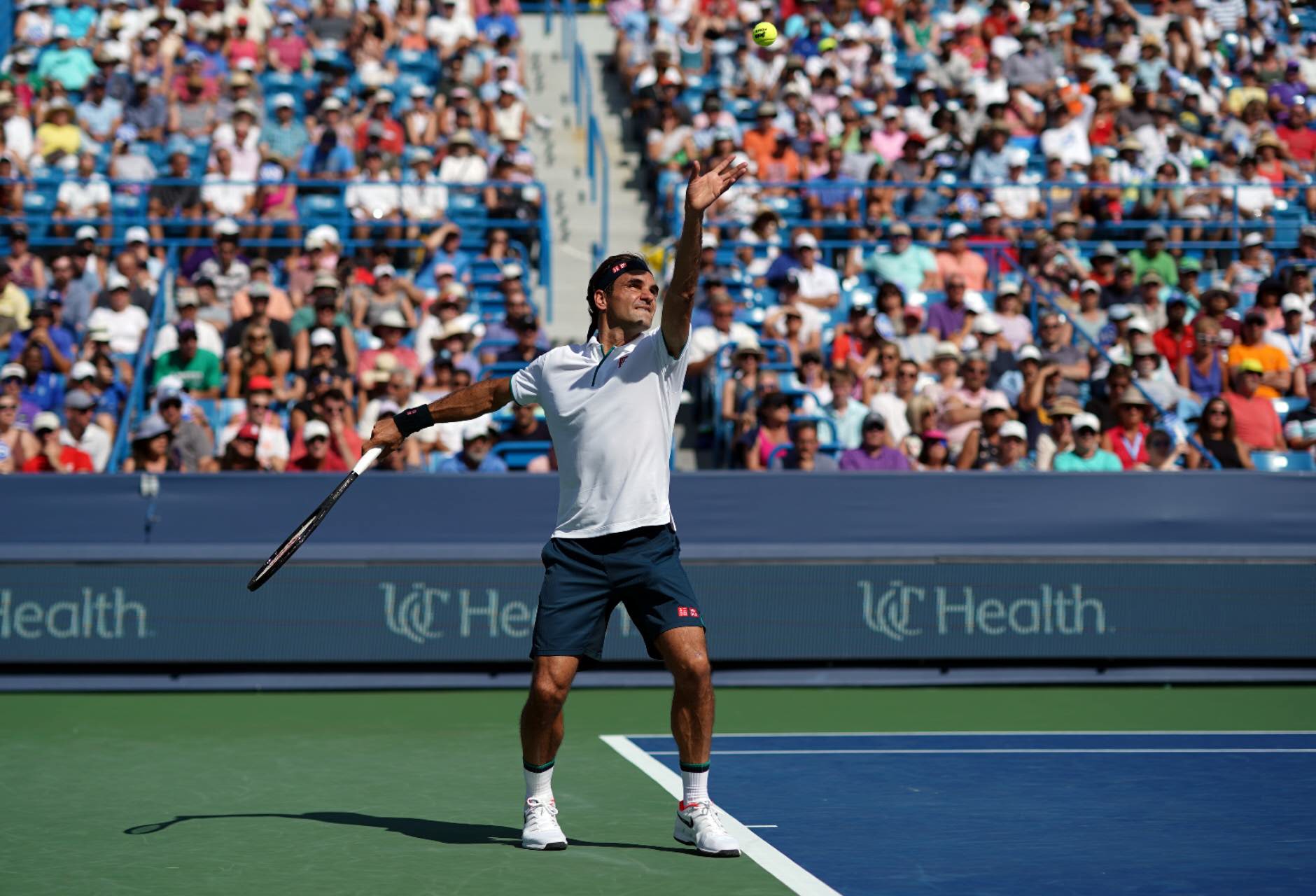
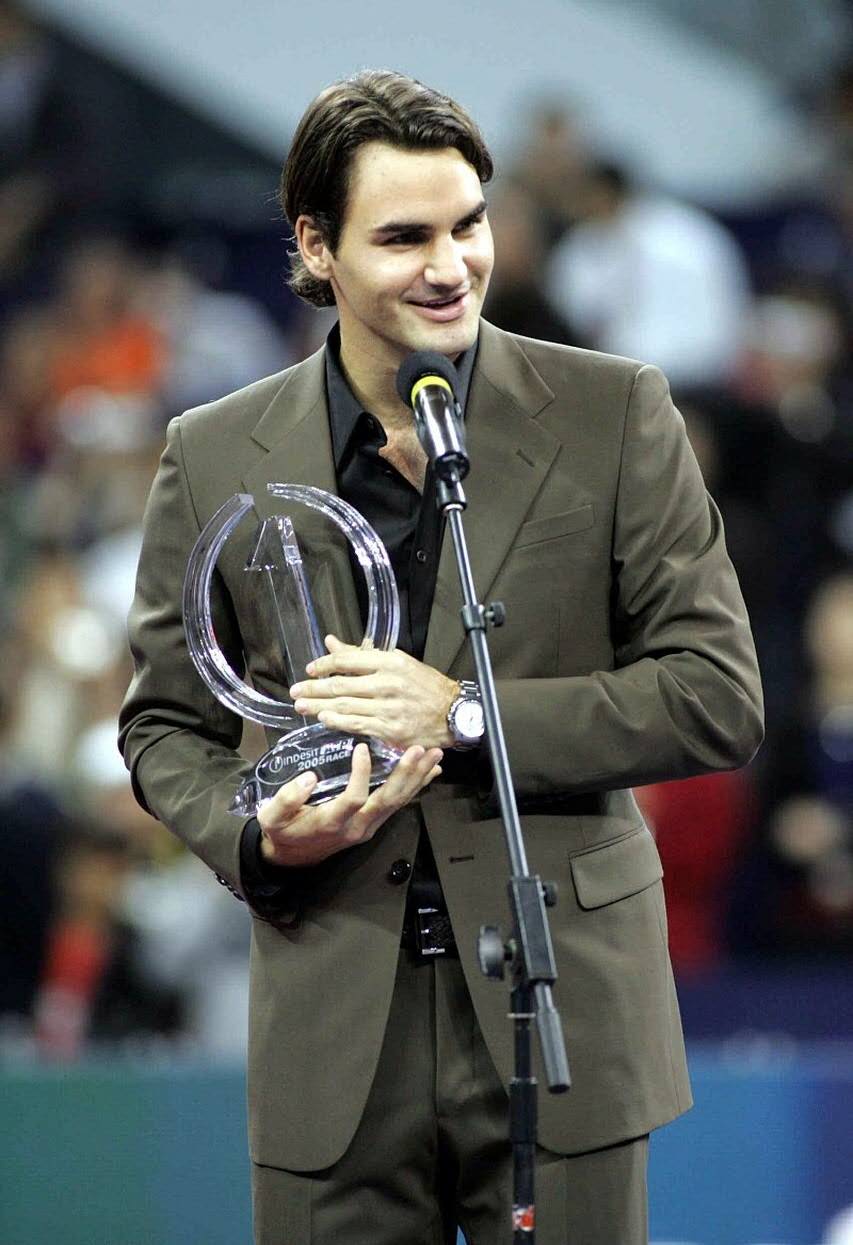
Tennis legend Becker once commented: “Federer’s core is ‘efficiency.’ His elegance is not mere decoration but a supreme functional expression. He expends minimal energy to produce the most lethal shots, a paradoxical economy that has been the foundation of his long career.”
Federer’s style has shaped a generation’s definition of tennis aesthetics. At his peak, matches felt less like contests and more like a master artist painting on a canvas. Even in his later years, through technical adjustments like enlarging his backhand racket face, his hallmark lightness and efficiency remained intact.
Regarding Nadal, Djokovic said, “Rafa is completely different from Federer because he has absolute dominance in physical capabilities. He has raised the physical and mental demands of tennis to unprecedented levels.”
In Djokovic’s view, the Spanish warrior’s relentless movement and signature heavy topspin shots establish a tennis paradigm based on sheer power, endurance, and indomitable will. Especially his forehand topspin, with its spin rate and bounce height, disrupts opponents’ rhythm, turning clay courts into his personal arena. In his autobiography, Djokovic described Nadal’s forehand as “razor-sharp, a shot that leaves you fearful long after the match ends.”
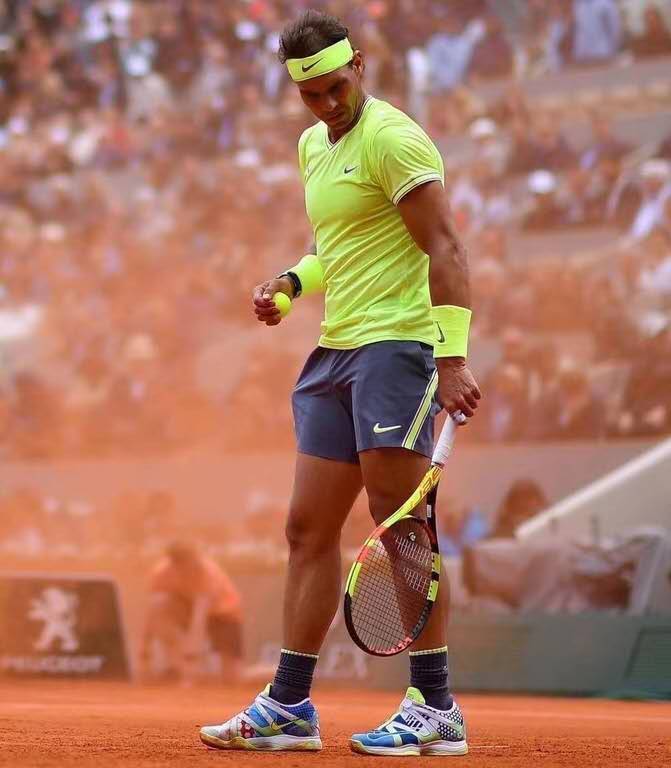
Tennis data analyst Craig O’Shannessy noted: “Nadal redefined what ‘defense’ means. His defense is not passive but an aggressively sustained pressure. Every heavy topspin shot tests both the body and mind of his opponents. When Djokovic talks about ‘physical dominance,’ he means not just strength, but the ability to push his physical limits and convert that into tactical weaponry.”
Fans agree, saying, “Nadal’s matches show visible sweat, clenched fists, and an unyielding gaze. Every point he wins seems carved from stone, filled with epic struggle.”
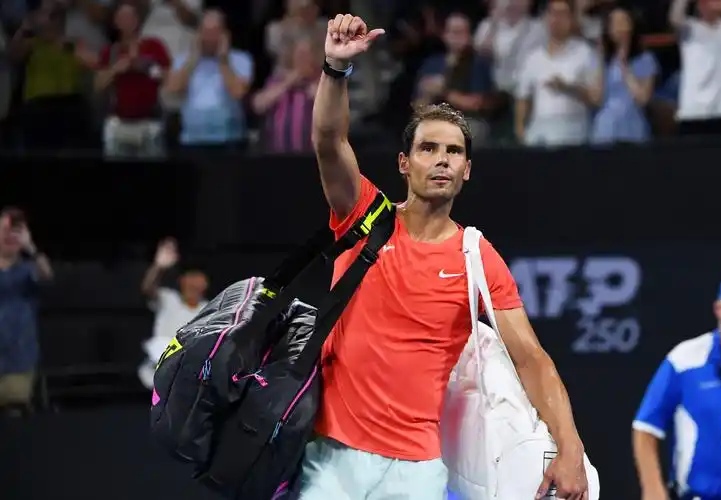
Discussing his own playing style, Djokovic showed calm self-awareness: “I’m somewhere between the two, but lean more towards physicality. I focus heavily on sliding, movement, and baseline rallies.”
Djokovic’s tennis exemplifies the ultimate balance and adaptability in history. He possesses exquisite straight-line attack skills and net touch (especially improved in his later career), alongside baseline coverage, flexibility, and defensive counterattacking abilities that rival or even surpass Nadal’s. His double-handed backhand and return game are widely regarded as dominant forces in men’s tennis.
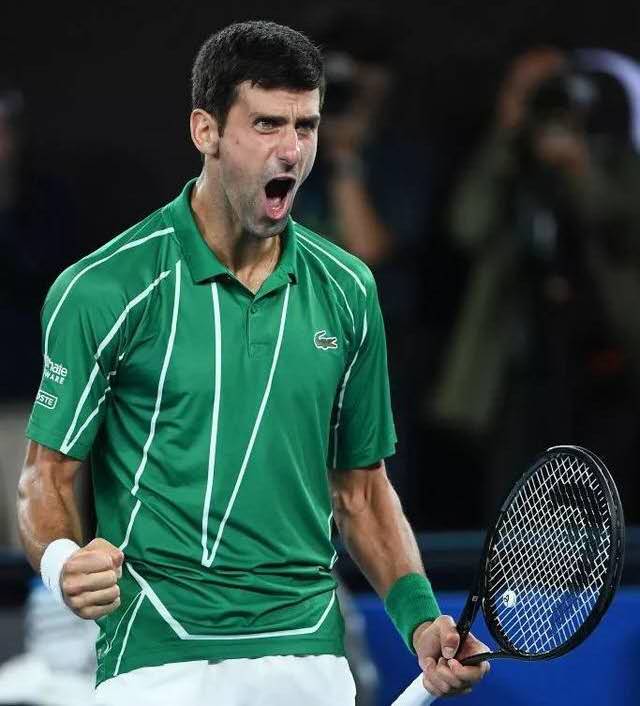
“Novak is like the ‘greatest common divisor’ of two legendary opponents’ techniques,” said 18-time Grand Slam champion and ESPN analyst Chris Evert. “He learned aggressive efficiency on hard and grass courts from Roger, and toughness and resilience from Rafa. Combined, he created something unique: a defense covering the entire court based on incredible flexibility and joint mobility, along with ice-cold mental stability at any match stage or score.”
Djokovic’s “physical leaning” is especially evident in his superhuman stretching ability, wide sliding technique, and terrifying consistency in maintaining technique unchanged through grueling five-hour battles. He is the ultimate product of tennis’s evolution towards all-around athleticism and physicality.
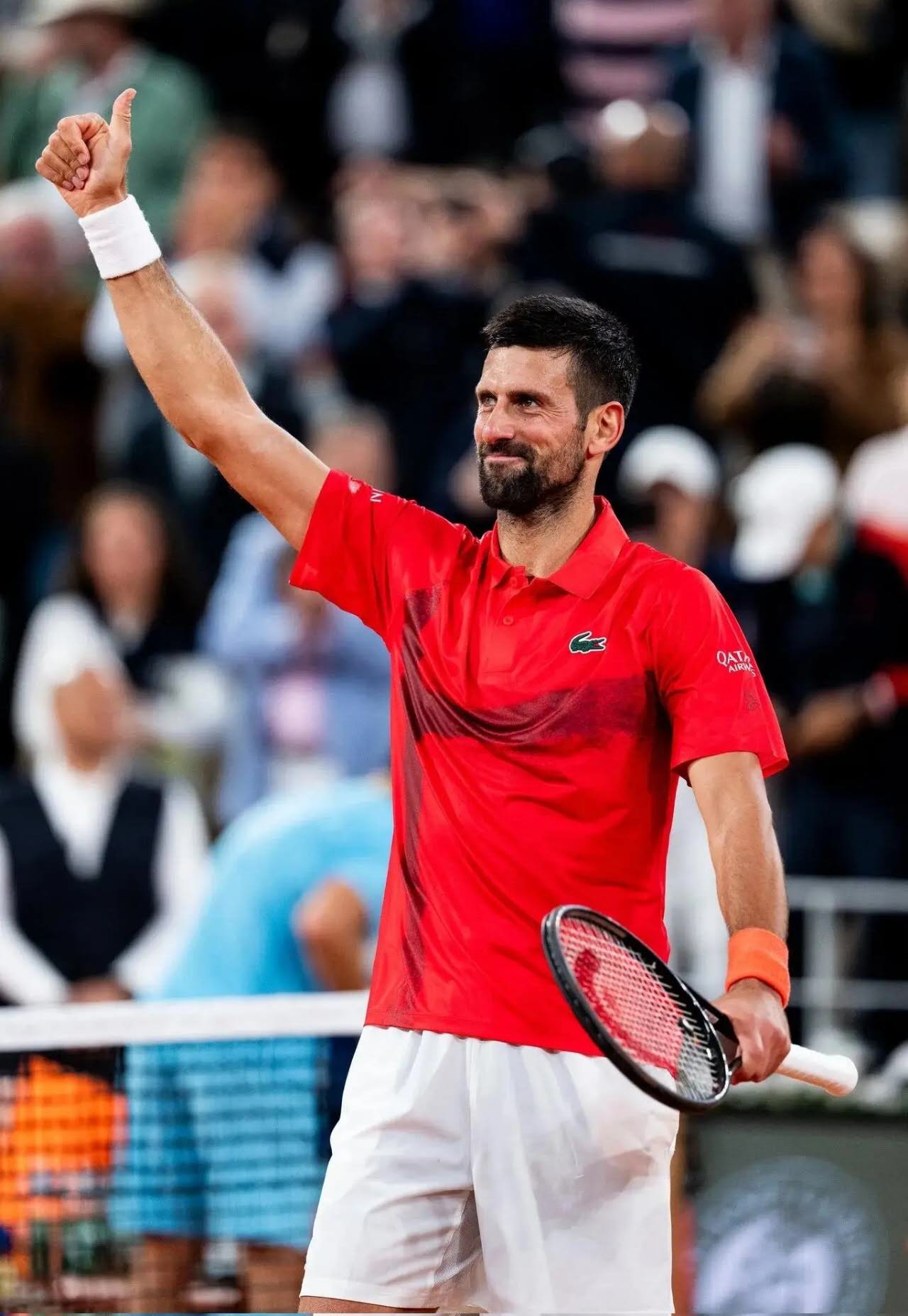
The most touching part of the interview was Djokovic’s summary of their rivalry: “The three of us have continuously evolved and grown through competing against each other. Much of my own improvement—technically, tactically, and mentally—owes to these epic battles with the other two.”
Steve Tignor, senior columnist at Tennis Channel, wrote: “Without Federer as the initial benchmark and peak, Nadal’s conquests wouldn’t be as magnificent; without Nadal’s ‘mountain,’ Djokovic’s climb would not have forged his iron will; and without Djokovic’s comprehensive dominance later on, the Federer-Nadal saga might lack its final tragic and brilliant chapter. Together, they elevated men’s tennis technique, fitness, and mental intensity to heights future generations will struggle to reach.”
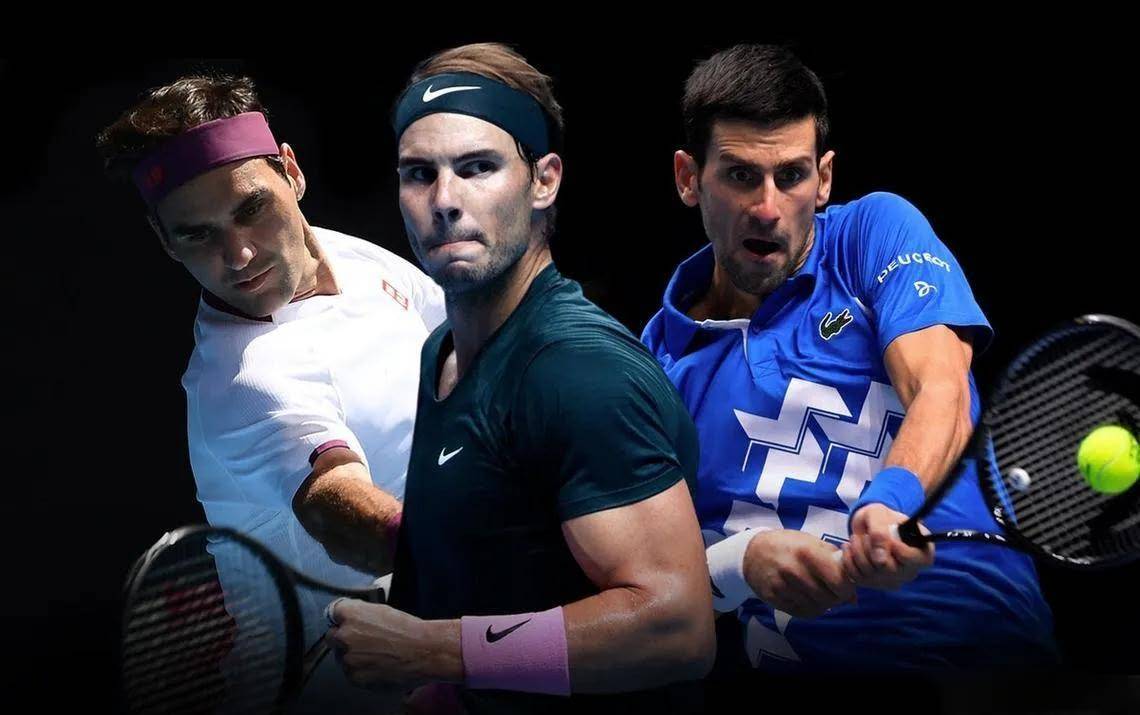
Former world No.1 and seven-time Grand Slam champion Mats Wilander commented: “Djokovic’s summary is textbook. Their differences are the sport’s treasure. Roger showed how beautiful tennis’s ‘ceiling’ can be; Rafa showed how deep human will’s ‘floor’ can go; Novak shows what terrifying dominance looks like when technique, body, and mind are all polished above ninety-five percent. They are each other’s best rivals and the only ones who made each other great.”
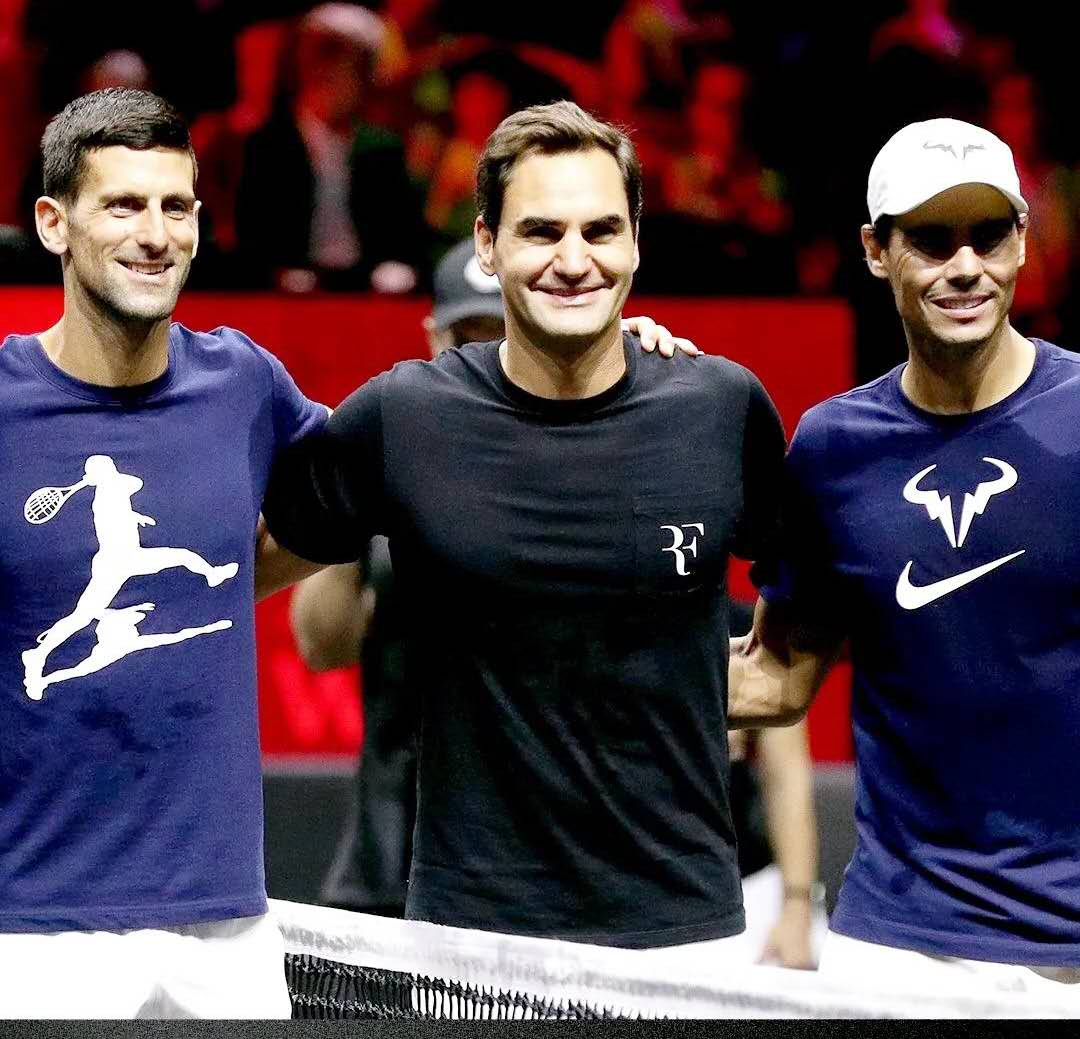
Now, with Federer and Nadal retired, the Big Three era is gone, but what was once called the “best era in men’s tennis” still leaves us unforgettable memories. Djokovic’s words feel like the finest epitaph for this era: they were rivals and also great creators of each other; their contrasting styles composed the grandest symphony in tennis history; they fought for every trophy yet shared one immortal legend. In this legend, there are no losers, only three giants who raised tennis history’s pinnacle shoulder to shoulder, leaving a golden age for future generations to admire but never replicate. This, above all, is the deepest and most moving essence of competitive sports.(Source: Tennis Home, Author: Lu Xiaotian)

 Links
Links
 Contact
Address:UNIT 1804 SOUTH BANK TOWER, 55 UPPER GROUND,LONDON ENGLAND SE1 9E
Number:+85259695367
E-mali:[email protected]
 App
App


