



Why does Russia, as an oil-exporting country, choose to purchase Venezuelan oil?



The core reasons for Russia purchasing Venezuelan oil encompass resource complementarity, market and cost optimization, geopolitical strategic ties, countermeasures against the US, and debt and cooperation compliance, covering aspects such as technical cooperation, market development, geopolitical maneuvering, and financial dealings.
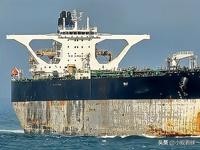
1. Core Reasons
1. Resource complementarity and industrial chain synergy: Venezuela mainly produces heavy crude oil, while Russia supplies light oil and naphtha (a diluent); Venezuelan heavy oil requires diluents for transport, so Russia provides diluents in exchange for crude oil, creating a closed loop that suits different refining needs and enhances product value-added.
2. Market and cost optimization: Facing Western sanctions, Russia needs to expand sales channels; Venezuelan oil supplements Russia’s oil mix, strengthening bargaining power with Asian and Latin American clients; Venezuelan oil’s relatively low price helps reduce Russian refining costs and increase profits.
3. Geopolitical strategic alignment: Venezuela is Russia’s key foothold in Latin America; oil cooperation solidifies their bilateral strategic partnership and supports Russia’s influence in the Western Hemisphere; Russia secures long-term resources and returns by investing in Venezuelan oil and gas projects (such as joint oil fields extended to 2041).
4. Countering the US and breaking blockades: The US has long sanctioned Venezuelan oil; Russia’s involvement in Venezuelan oil trade disrupts US dominance in its “backyard,” weakening the US’s oil isolation of Venezuela while also diversifying Russia’s own energy export geopolitical risks.
5. Debt and cooperation fulfillment: Russia previously supported Venezuela with “oil-for-loan” deals, and some purchases serve as debt repayment; ongoing energy cooperation agreements (such as exploration and production enhancement) require continuous trade relations.
2. Key Background
Venezuela holds the world’s largest proven oil reserves (approximately 303 billion barrels) but suffers from low production due to sanctions and depends on external technology and funding; Russia is a major oil exporter with strong technology and financial capabilities, making their cooperation mutually beneficial.
The US aims to control Venezuelan oil, while Russia protects its interests there through trade and military support; oil cooperation has become a crucial leverage point in the geopolitical contest between Russia and the US.

 Links
Links
 Contact
Address:UNIT 1804 SOUTH BANK TOWER, 55 UPPER GROUND,LONDON ENGLAND SE1 9E
Number:+85259695367
E-mali:[email protected]
 App
App


