



The Summer Symphony of the Asia-Pacific: The Legendary Legacy and Charm of the Australian Open



In November 1905, Melbourne's Albert Park hosted the very first "Australasian Championships" — featuring just 17 male participants, Rodney Heath won the first men's singles championship. Over a century later, this event has grown into a premier global spectacle that kicks off the tennis season every year.
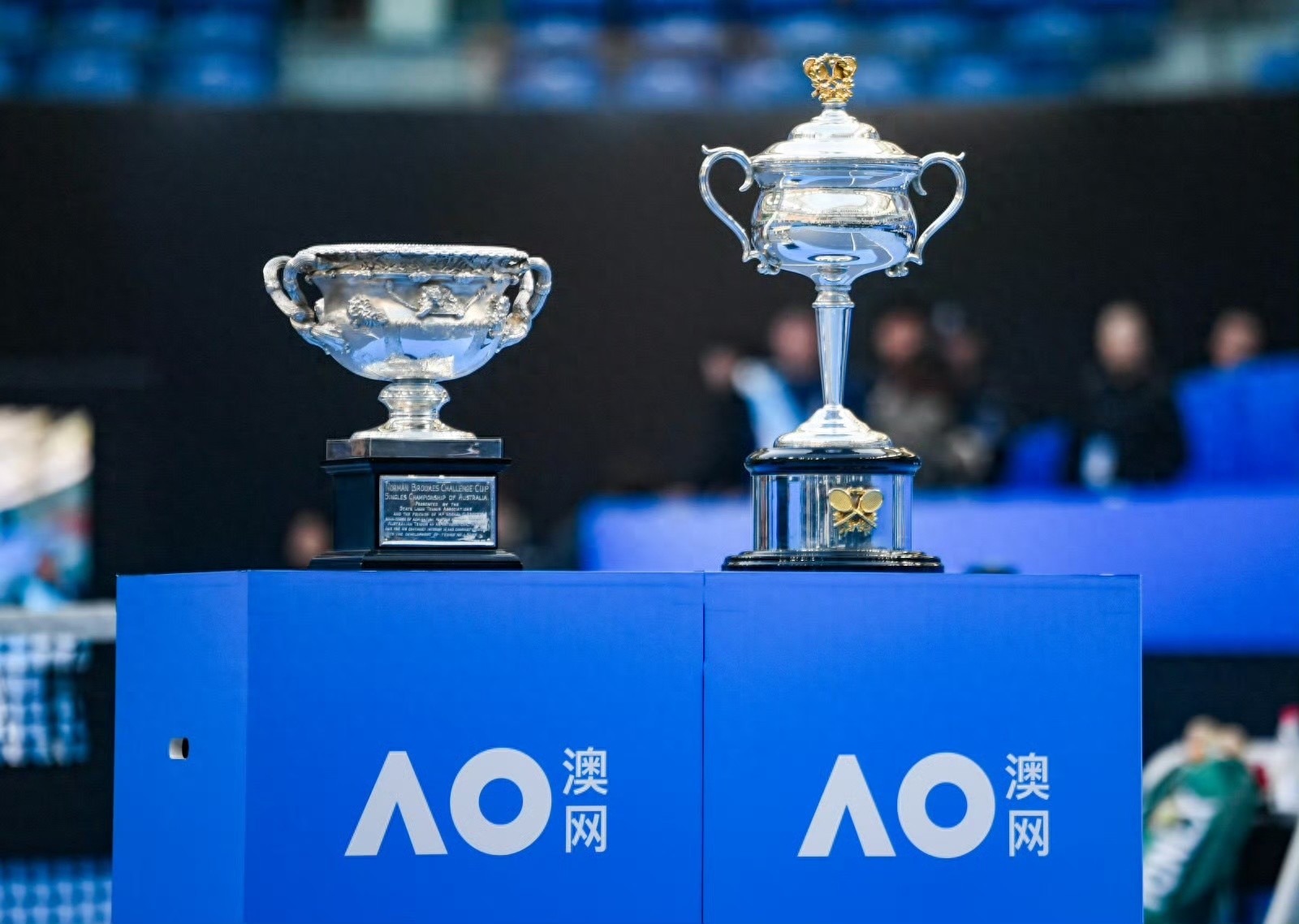
As the youngest of the four Grand Slam tournaments, the Australian Open has carved a unique path in innovation, commercialization, and influence across the Asia-Pacific region. Originally established as the "Australasian Championships" in 1905, the event initially rotated among major cities in Australia and New Zealand until New Zealand withdrew in 1922 to form its own association. In 1927, the tournament was renamed the Australian Championships. With tennis turning professional, the Australian Championships became one of the four majors in 1968 and was renamed the Australian Open the following year. In 1972, the organizing committee made a pivotal decision to permanently host the tournament in Melbourne to attract more sponsors and spectators. This move laid the foundation for stable growth, and in 1988, the newly built Flinders Park Tennis Centre (later renamed Melbourne Park) opened, boosting attendance from 140,000 to 260,000 and changing the courts from traditional grass to hard surfaces better suited for modern play.
Novak Djokovic’s name is forever etched in the most glorious chapter of the Australian Open’s history. As of 2025, the Serbian legend has secured 10 men’s singles titles at the tournament, setting the record for the most wins by a male player. His dominance and adaptability have made Melbourne Park almost his “home court.” In 2025, while pursuing his 100th match win at the Australian Open, Djokovic withdrew from the semifinals due to injury. Despite this setback, he set another milestone — becoming the first male player in the Open Era to reach 50 Grand Slam semifinals. The Australian Open officially expressed heartfelt wishes: “Above all else, we want you healthy. Thank you for another unforgettable summer in Australia with you.”

The Australian Open continually seeks a balance between competition and entertainment. During the 2026 tournament, a unique “one-point showdown” exhibition took place on Rod Laver Arena. Unlike regular matches, service rights were decided by rock-paper-scissors, players had only one serve, and each match was decided by a single point. The winner took home AUD 1 million, while their representing club or school received AUD 50,000 for tennis development. The lineup mixed 24 professional players with amateurs, featuring top talents like Spain’s Alcaraz and Italy’s Sinner. This innovative format highlighted the Australian Open’s open spirit in embracing new elements while maintaining high competitive standards.

The Australian Open’s commercial achievements are equally impressive. The 2026 total prize money reached a record AUD 111.5 million, marking nearly a 16% increase from 2025 — the largest growth in the tournament’s history. Singles champions earned AUD 4.15 million, a 19% rise from the previous year. Even players exiting in the first round of the main draw received AUD 150,000, providing essential early-season financial support. In terms of branding, the Australian Open updated its visual identity in 2016, adopting the Sharp Sans font — a geometric sans-serif typeface that added a sleek, modern flair. Long-term commercial partnerships have also created iconic collaborations, such as South Korean car brand Kia, which has been an official partner since 2002. This 23-year partnership is one of the longest in the tournament’s 121-year history.
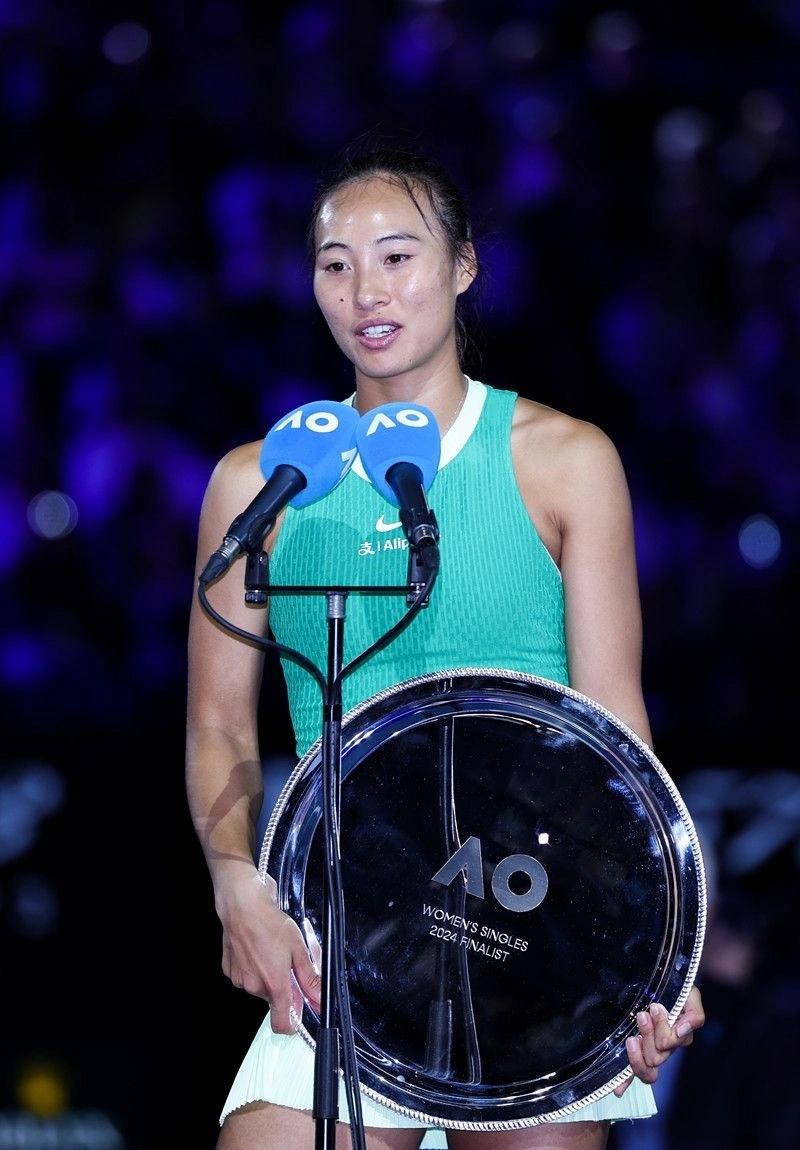
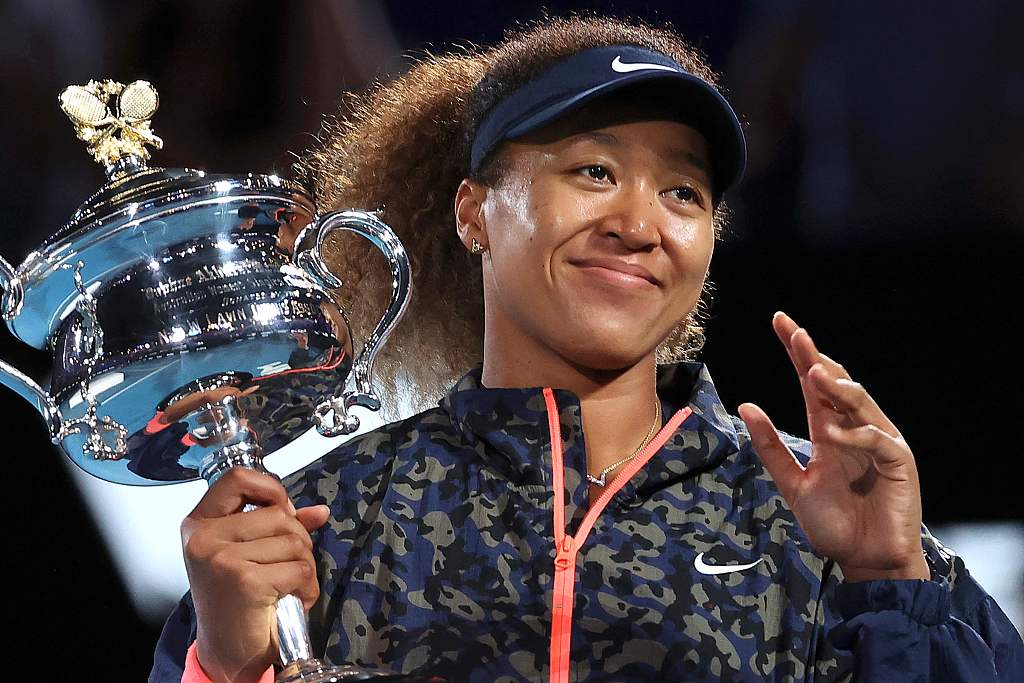
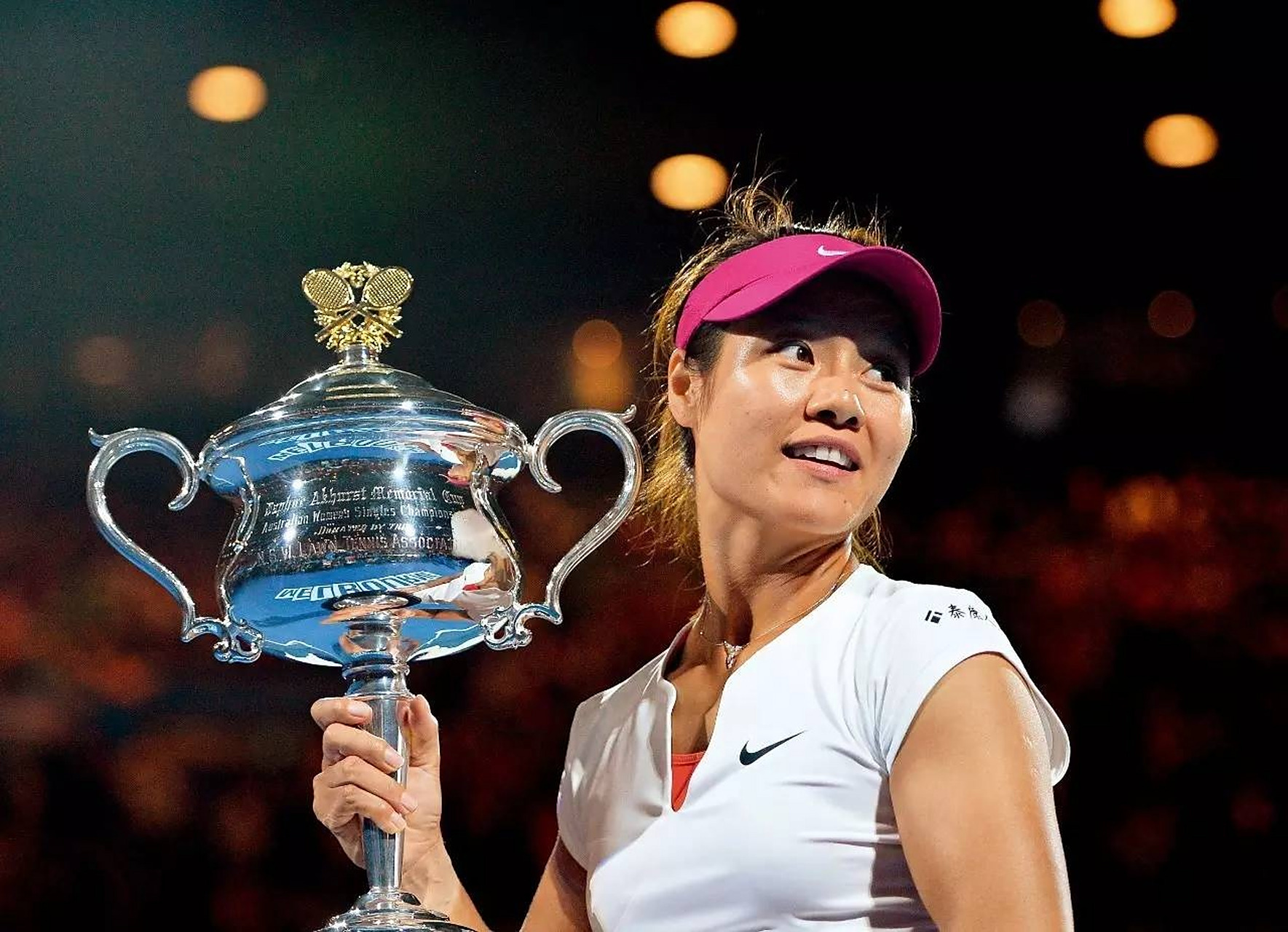
As the “Grand Slam of the Asia-Pacific,” the Australian Open is deeply linked to tennis development in Asia. For Chinese viewers, it is the most accessible Grand Slam — unlike tournaments in Europe and the Americas, the Australian Open has almost no time difference, making viewing times very convenient. Chinese players’ breakthroughs have added special significance to the event: in 2006, Zheng Jie and Yan Zi won the women’s doubles title; Li Na reached the women’s singles final three times (2011, 2013, 2014) and won in 2014, making tennis history in Asia; in 2024, Zheng Qinwen reached the women’s singles final and finished runner-up, continuing China’s strong presence at the Australian Open. Additionally, South Korean player Chung Hyeon defeated Djokovic in 2018, becoming the first Korean to reach a Grand Slam semifinal; in 2019, Naomi Osaka won the women’s singles title, becoming the second Asian female Grand Slam champion in Australian Open history. These outstanding performances by Asian players have strengthened the tournament’s identity as the “Asia-Pacific Grand Slam.”
The Australian Open’s center court is named after Rod Laver, commemorating the Australian legend who is the only player to complete the Grand Slam twice. Within this arena, Djokovic is crafting his own even greater legacy. Every January, while much of the Northern Hemisphere remains in winter’s grip, Melbourne’s summer sun shines brightly to herald the new tennis season worldwide. The sound of racquets striking balls echoes here, composing a symphony of tennis that spans over a century — and its movements continue to unfold.(Source: Tennis Home, Author: Xiao Di)

 Links
Links
 Contact
Address:UNIT 1804 SOUTH BANK TOWER, 55 UPPER GROUND,LONDON ENGLAND SE1 9E
Number:+85259695367
E-mali:[email protected]
 App
App


