



The "Brisbane Curse" strikes again as Kostyuk suffers injury and exits in the first round of the Australian Open, raising concerns.



On January 18, 2026, Ukrainian star Kostyuk endured a grueling three-hour and thirty-one-minute battle in the first round of the Australian Open singles, ultimately falling to French youngster Jacquemot after three tiebreak sets. Near the end of the match, Kostyuk fell while running and was later diagnosed with a ligament tear, causing her to pull out of the doubles event as well. Just a week earlier, this Ukrainian beauty had defeated three top-ten players consecutively at the Brisbane tournament and reached the final, but on the opening day of the Australian Open, she faced both a reversal of form and fate.
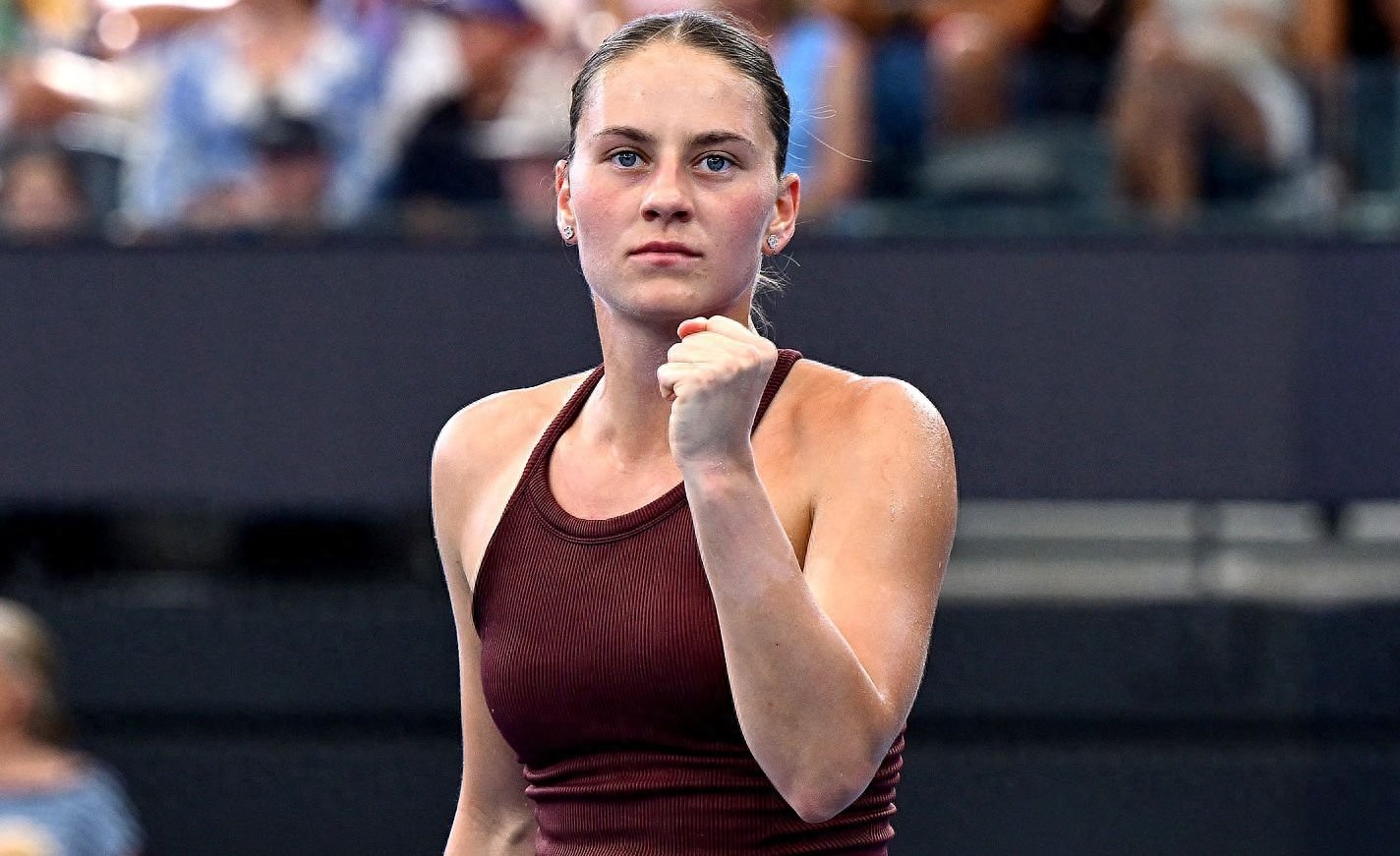
Kostyuk’s 2026 season started like a dream. At the Brisbane WTA 500 event, she defeated three top-ten players in a row — Anisimova, Mirra Andreeva, and Pegula — advancing all the way to the final. Although she lost to world number one Sabalenka in the final, this breakthrough performance raised expectations for her Australian Open campaign.
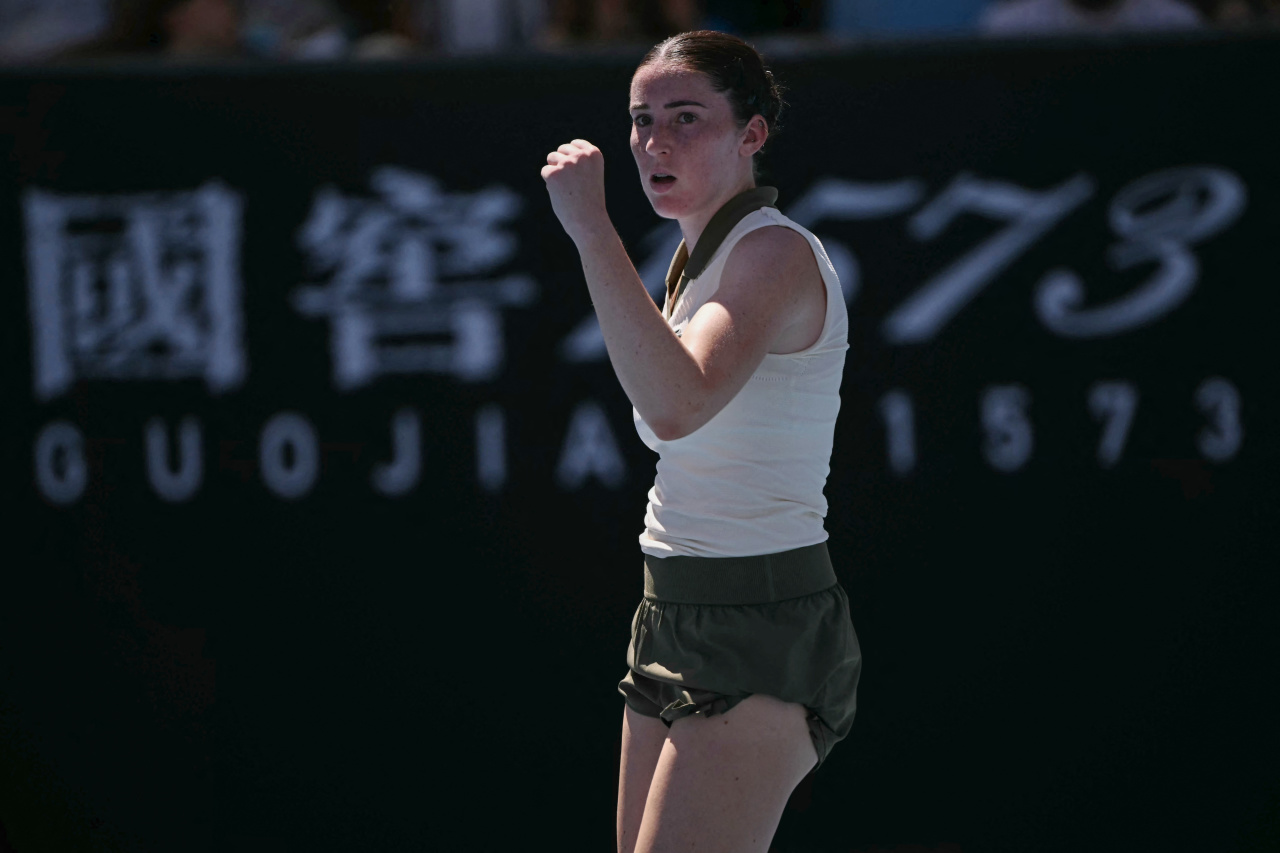
However, in the first round of the Australian Open, Kostyuk faced fierce resistance from the French player Jacquemot, whose world ranking was much lower. This marathon match lasted over three hours, with the battle extending to a third-set tiebreak, where Kostyuk was ultimately overturned. Worse still, she suffered a fall in the penultimate game that resulted in a ligament tear.
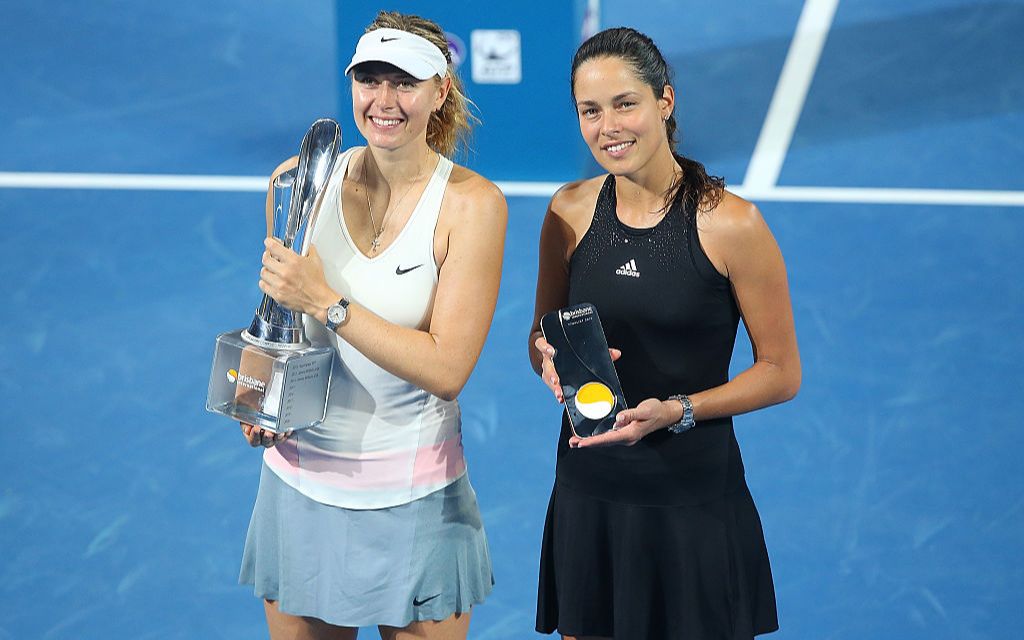
This incident recalls back to 2015 when Ivanovic, after finishing runner-up in Brisbane, was unexpectedly defeated in the first round of the Australian Open by Hradecka. This pattern has intermittently appeared on the WTA tour over the years, becoming a factor players must consider when choosing warm-up tournaments.
The 2026 Brisbane event, despite attracting seven top 10 players including world number one Sabalenka, boasted a lineup comparable to a Grand Slam. Yet the early exits of many high-seeded players exposed the nature of warm-up tournaments as hotbeds for upsets. The results confirmed that the core value of smaller lead-up events lies in helping players fine-tune match fitness and tactical details rather than replacing the comprehensive competitive challenge of a Grand Slam. A quarterfinalist at Brisbane remarked, “Warm-ups feel like intense training, but Grand Slams require maintaining peak form over two weeks.” Lower-ranked players often play more aggressively in warm-ups, whereas top players show greater consistency at Grand Slams, explaining why strong performances in warm-ups don’t always carry over to majors.
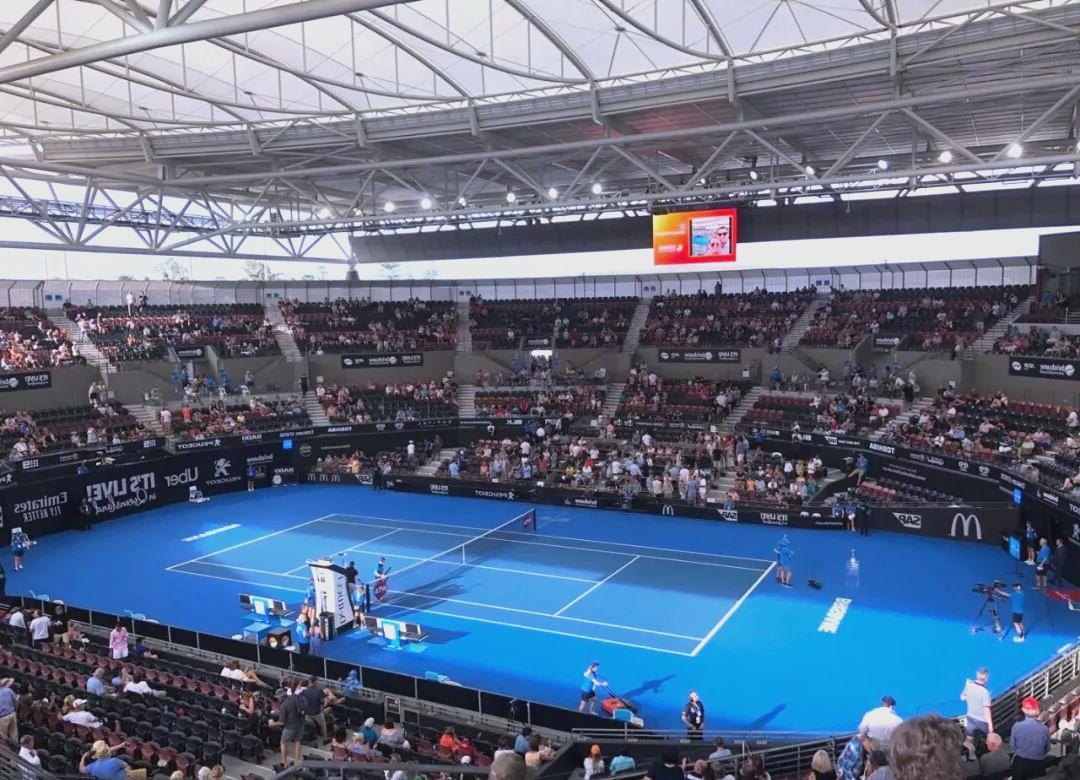
Another characteristic of warm-up events is the low-risk environment for experimentation. Unlike Grand Slams, where players must give their all, warm-ups allow strategic adjustments. Professional tennis players must weigh multiple factors when selecting warm-up tournaments: Brisbane and Melbourne share similar climate and court conditions, aiding preparation for the Australian Open, but the dense schedule can drain physical reserves and raise injury risk, as Kostyuk’s case clearly demonstrates.
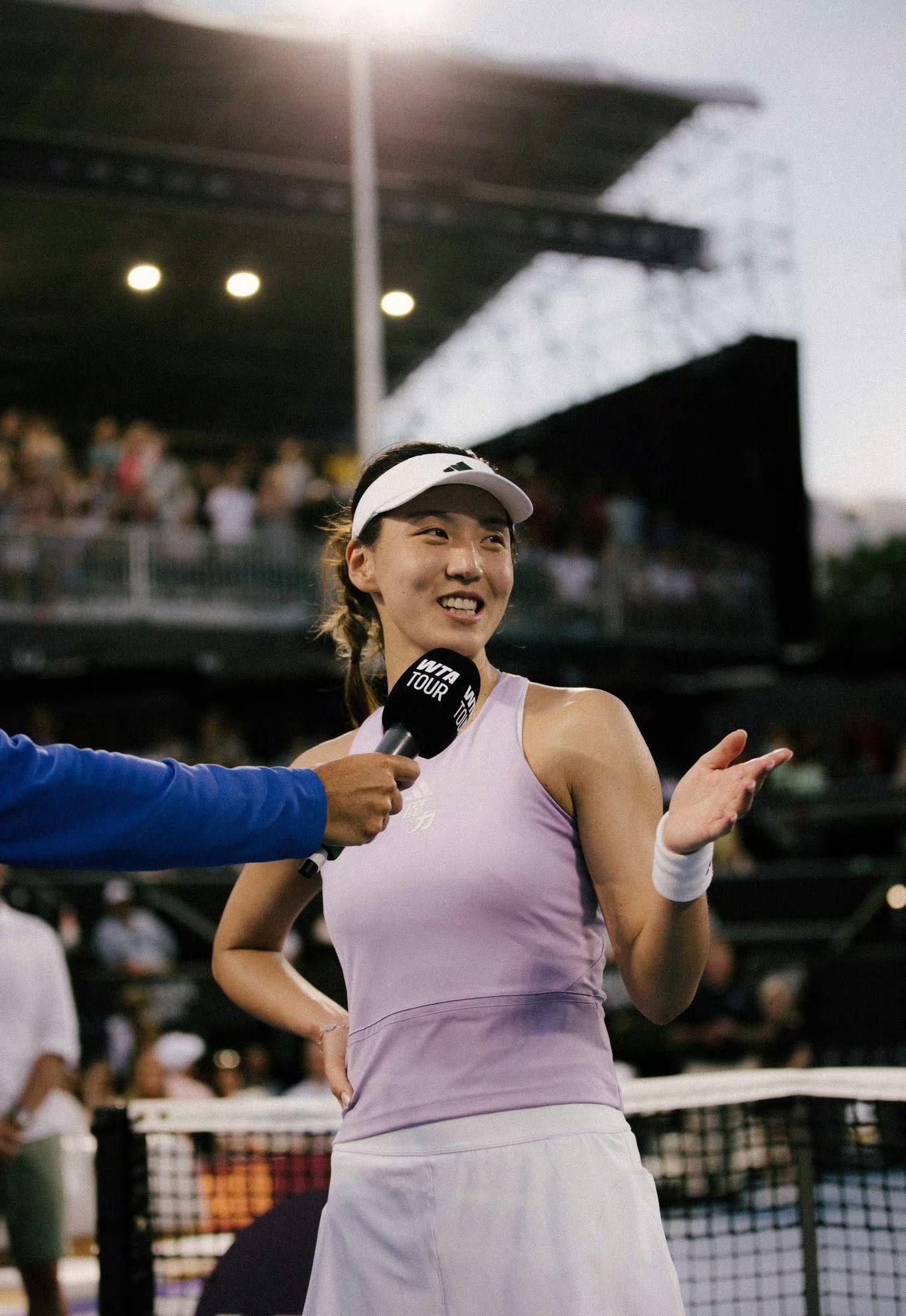
Personalized preparation paths are especially important. Players like Sabalenka and Medvedev build confidence by winning in Brisbane, while others prefer exhibition matches to tune their form. Wang Xinyu’s run to the Auckland 250 semifinals shows that warm-ups of various levels offer value to players at different stages. “Winning a Grand Slam requires navigating seven matches with varied tactics, sudden injuries, and media pressure,” said a player who has won numerous warm-ups but never a major, highlighting the differing demands on overall ability.
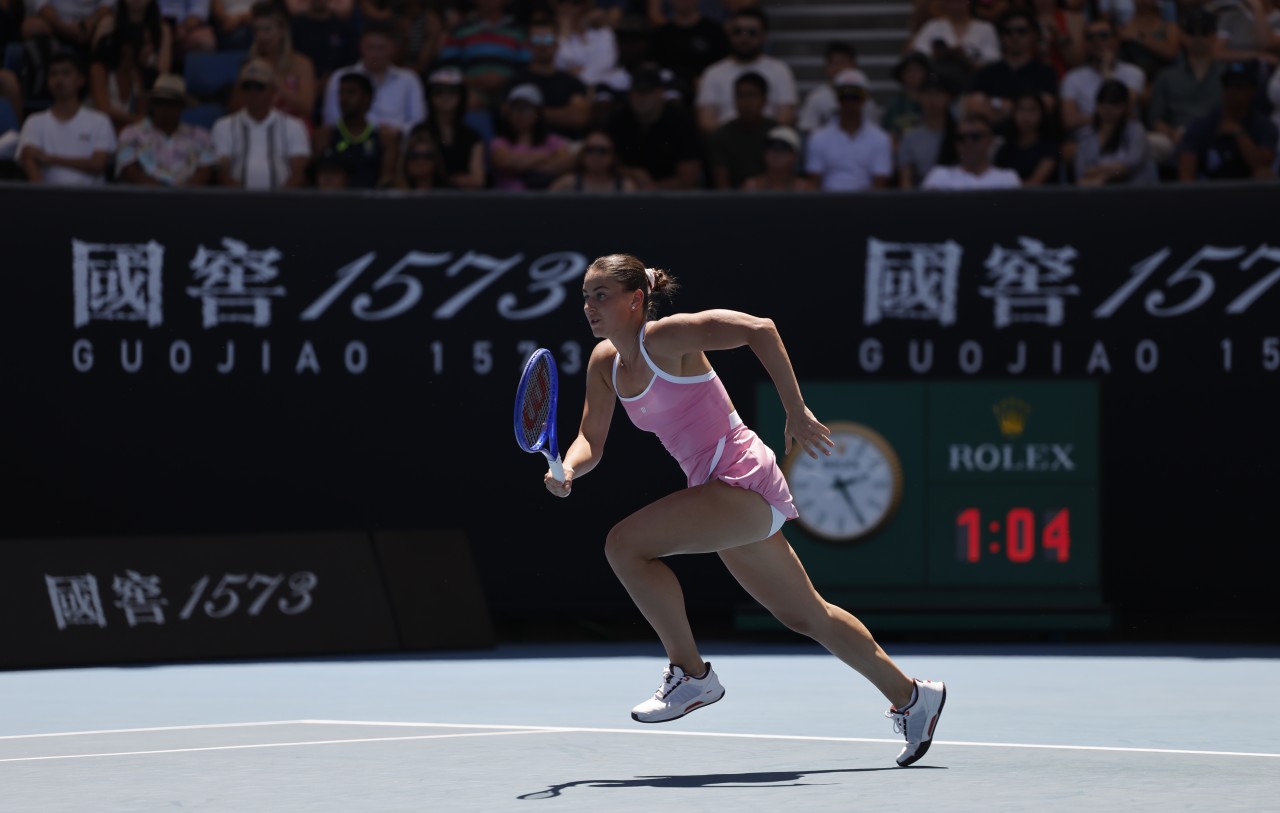
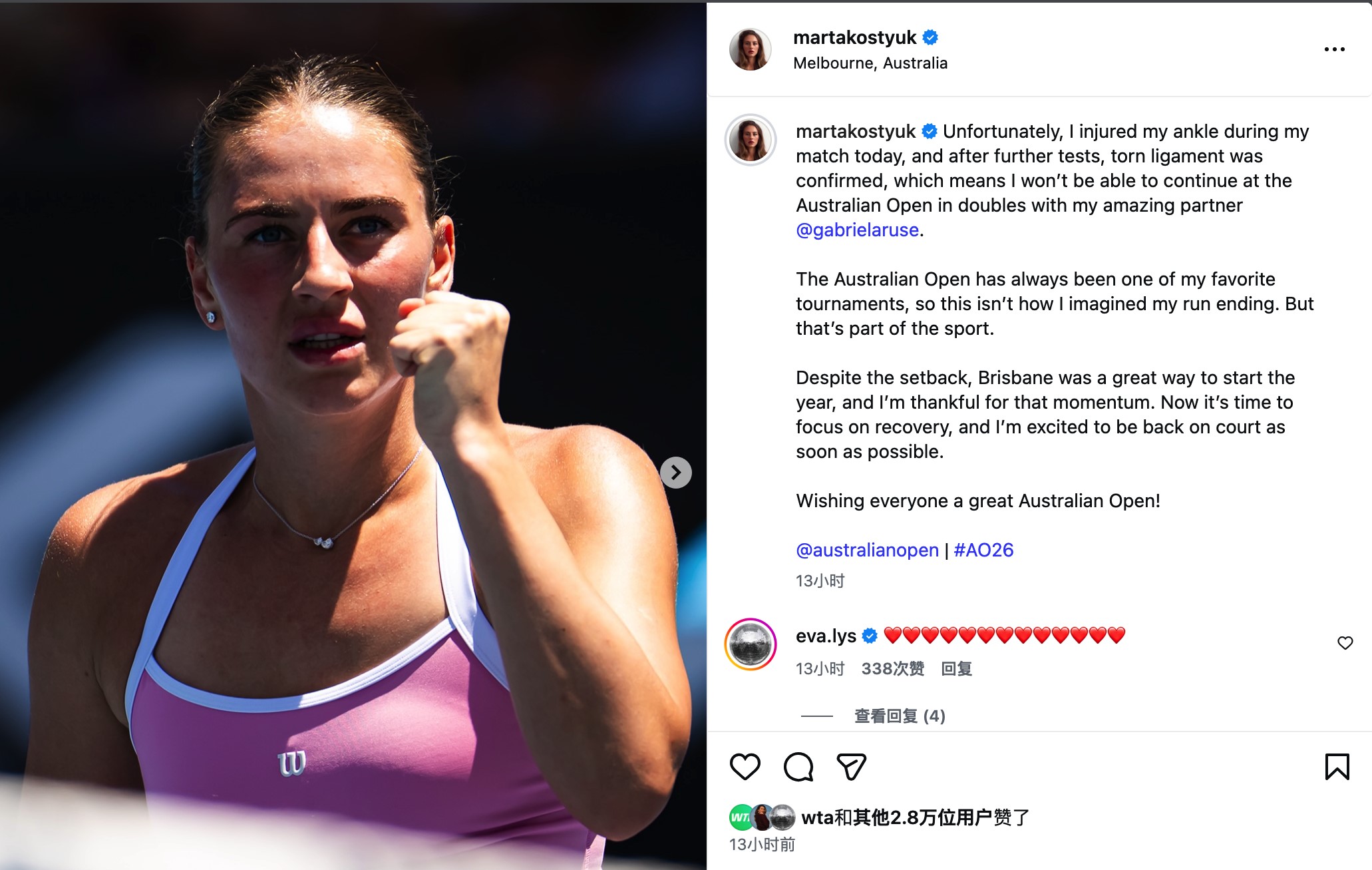
After the Brisbane final, Kostyuk arrived at Melbourne Park confident from defeating multiple top-ten players, ready for her seventh Australian Open main draw appearance. However, the fall in the penultimate game changed everything: not only did she lose the match, but she was diagnosed with a ligament tear that will require a lengthy recovery. Her team posted on social media: “Marta will focus on rehabilitation, and we will fully support her return to the court as soon as possible.” This accident serves as a stark warning to all professionals: finding the delicate and crucial balance between peak performance and physical health is essential.(Source: Tennis Home, Author: Xiao Di)

 Links
Links
 Contact
Address:UNIT 1804 SOUTH BANK TOWER, 55 UPPER GROUND,LONDON ENGLAND SE1 9E
Number:+85259695367
E-mali:[email protected]
 App
App


