



Individuality or achievement? The controversy sparked by Naomi Osaka's wedding dress



As the final match on the center court of the 2026 Australian Open's first round concluded, the image of Naomi Osaka wearing an unconventional wedding dress and struggling through a tough three-set battle transcended an ordinary tennis match, becoming a complex and multifaceted symbol. The clash between that wedding gown and the racket in her hand shattered the carefully crafted facade of harmony in the sports world, brutally exposing the intense tug-of-war between an athlete’s individual life and the traditional values of competitive sports under the global spotlight. This was not just a former champion’s choice of attire but a covert negotiation about body, identity, and power — a seismic interrogation of the essence and boundaries of professional sports amid the tides of consumerism.
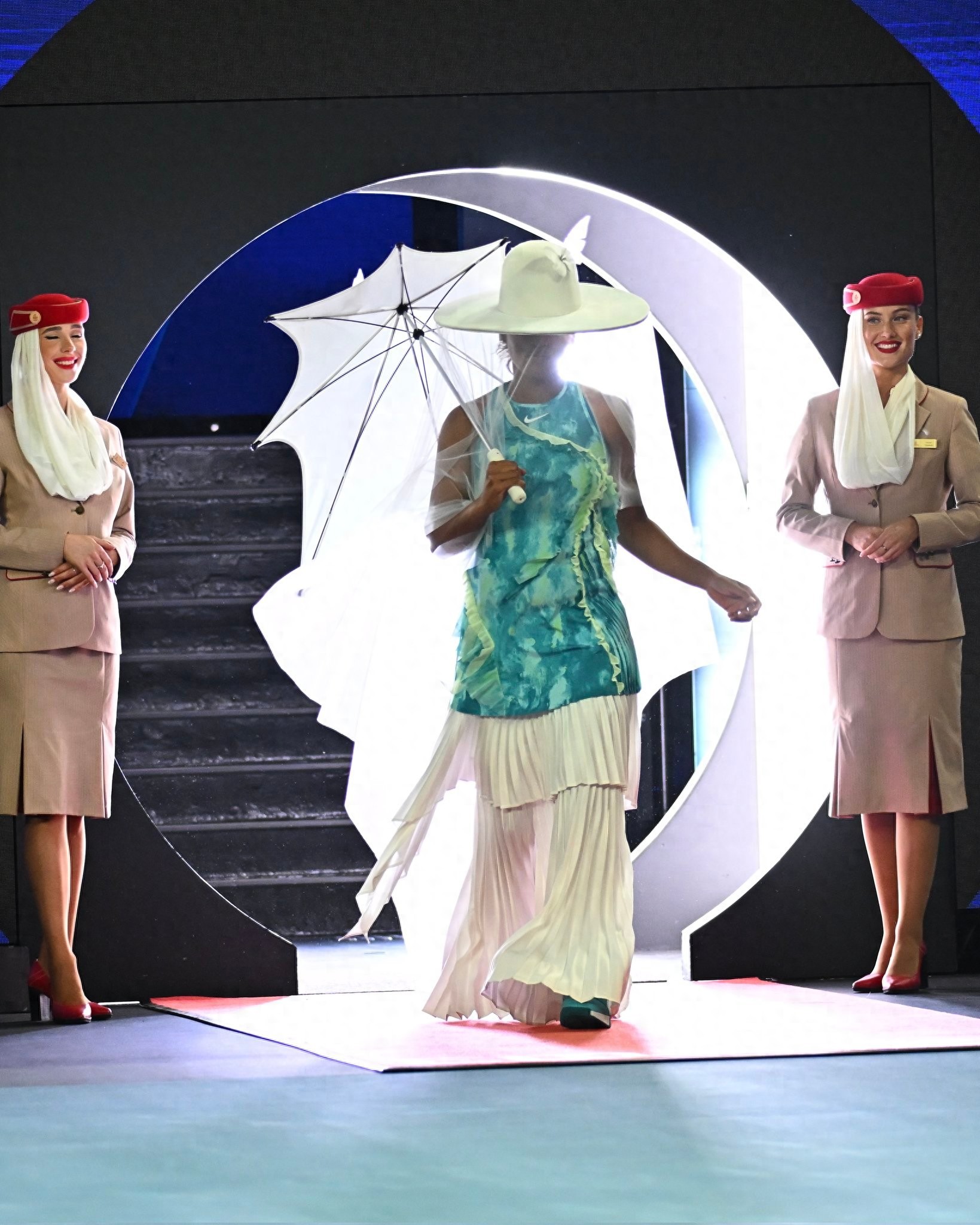
The traditional tennis world resembles a temple built by transparent rules and invisible expectations, where an athlete’s body is primarily a tool for competition, and their public image must serve the holy trinity of “focus, effort, and glory.” Federer’s elegance and Nadal’s fierce play together compose the classic narrative of this sport — the body should be governed by the will to win, and personal expression must yield to the singular pursuit of excellence. Osaka’s wedding dress intrusion was like a stone thrown into this calm lake, its ripples quickly touching the sensitive nerves of sports purists. Questions followed: Does focusing on hairstyle and clothing dilute devotion to tennis? As athletes’ public images increasingly depend on visual spectacle, is the core value of competitive sports being hollowed out? Behind these queries lies a deep cultural anxiety: Are we witnessing sports sliding from a “religion of competition” to an “entertainment spectacle”?
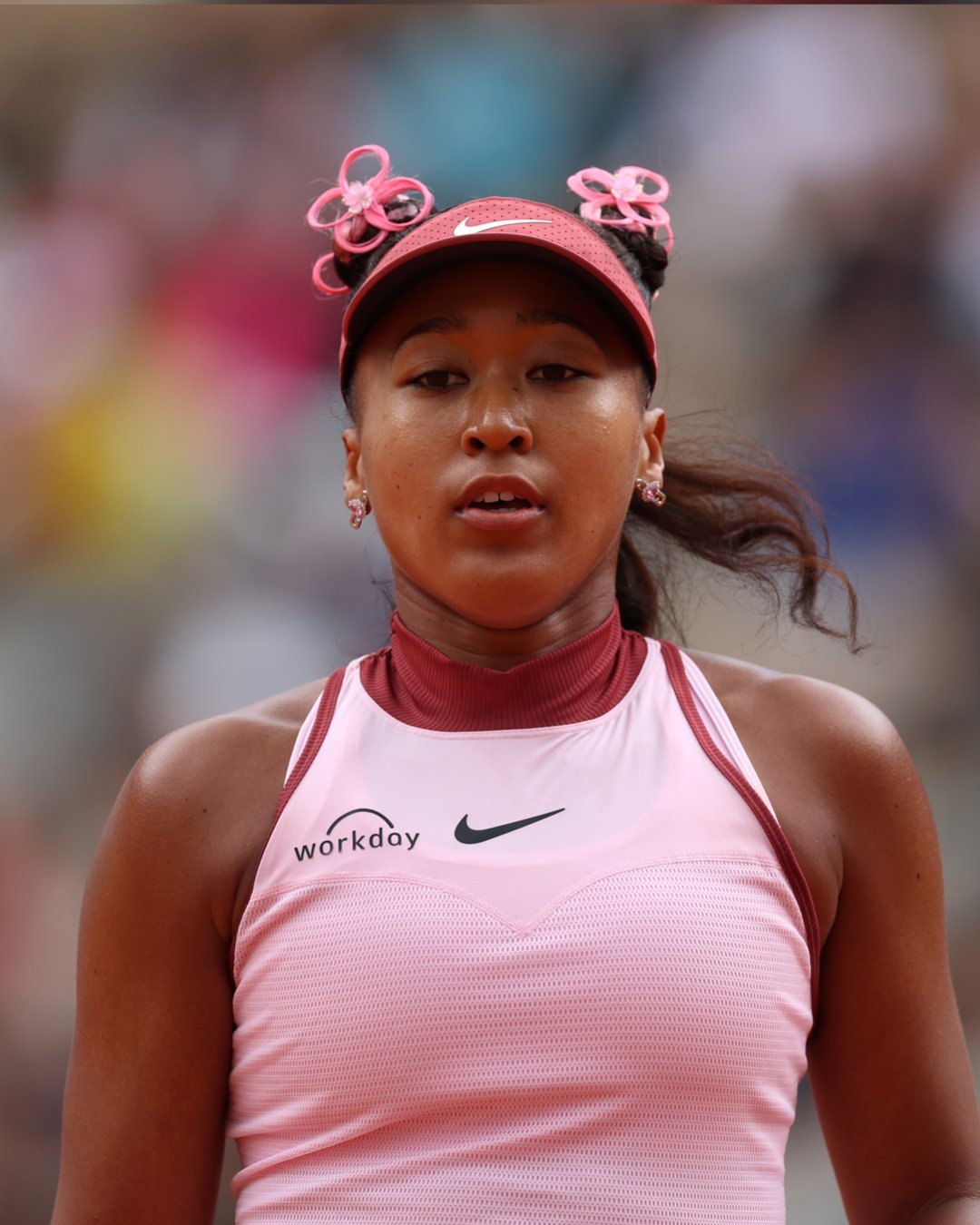
However, targeting criticism solely at Naomi Osaka oversimplifies the complexity of this issue and risks falling into a gendered gaze trap. History repeatedly shows that female athletes’ bodies and attire are subject to harsher discipline and interpretation. From early debates over tennis skirt lengths to harsh judgments of Serena Williams’ outfits, women’s self-expression on the court has often been linked to accusations of “impropriety” or “distraction.” Osaka’s choice of a wedding dress can thus be seen as a subtle act of resistance — an attempt to reclaim sovereignty over defining her own body and image, navigating the intersections of Black, Asian, and female identities, seeking a path that neither fully submits to commercial packaging nor completely embraces traditional competitive narratives. In this sense, the wedding dress may not be a declaration of escape from tennis but a brave attempt to mend fractured identity under suffocating pressure.

Looking more broadly, Naomi Osaka is not alone. From Anna Kournikova, dubbed “the sexiest woman in tennis,” to Bethanie Mattek-Sands known for her eccentric outfits, sports history is full of figures who drew massive attention through unconventional means. Kournikova’s career was often dismissed as lacking results, yet undeniably, she and players like Hingis ignited a late-90s women’s tennis boom, bringing unprecedented attention and commercial resources to the WTA. This dialectic is sharp and profound: on one hand, this “attention economy” can indeed distract athletes from core competition and alienate the sport’s essence; on the other, it breaks the insularity of the sports world, attracting broader audiences—especially young women—who engage and inject new vitality and diverse interpretations. The controversy and buzz around Osaka today echo this historical trajectory amplified in the digital media era.

On a deeper level, this “wedding dress incident” reflects an unavoidable internal tension in modern professional sports: in an era saturated by commercial logic, athletes are no longer pure competitors but complex entities bearing sponsors’ expectations, media narratives, and personal brand building. Osaka’s predicament lies in that she cannot fully retreat to the “let the racket do the talking” purity—if such a time ever existed—yet must navigate a precarious tightrope between personal expression, commercial value, and competitive ambition. Every outfit that sparks debate marks a visible trace of her negotiation with this vast system. Rather than hastily concluding “her focus is no longer on tennis,” we should consider whether, in a world where athletes are commodified in every aspect, the idea of “pure focus” has itself become a luxury illusion.
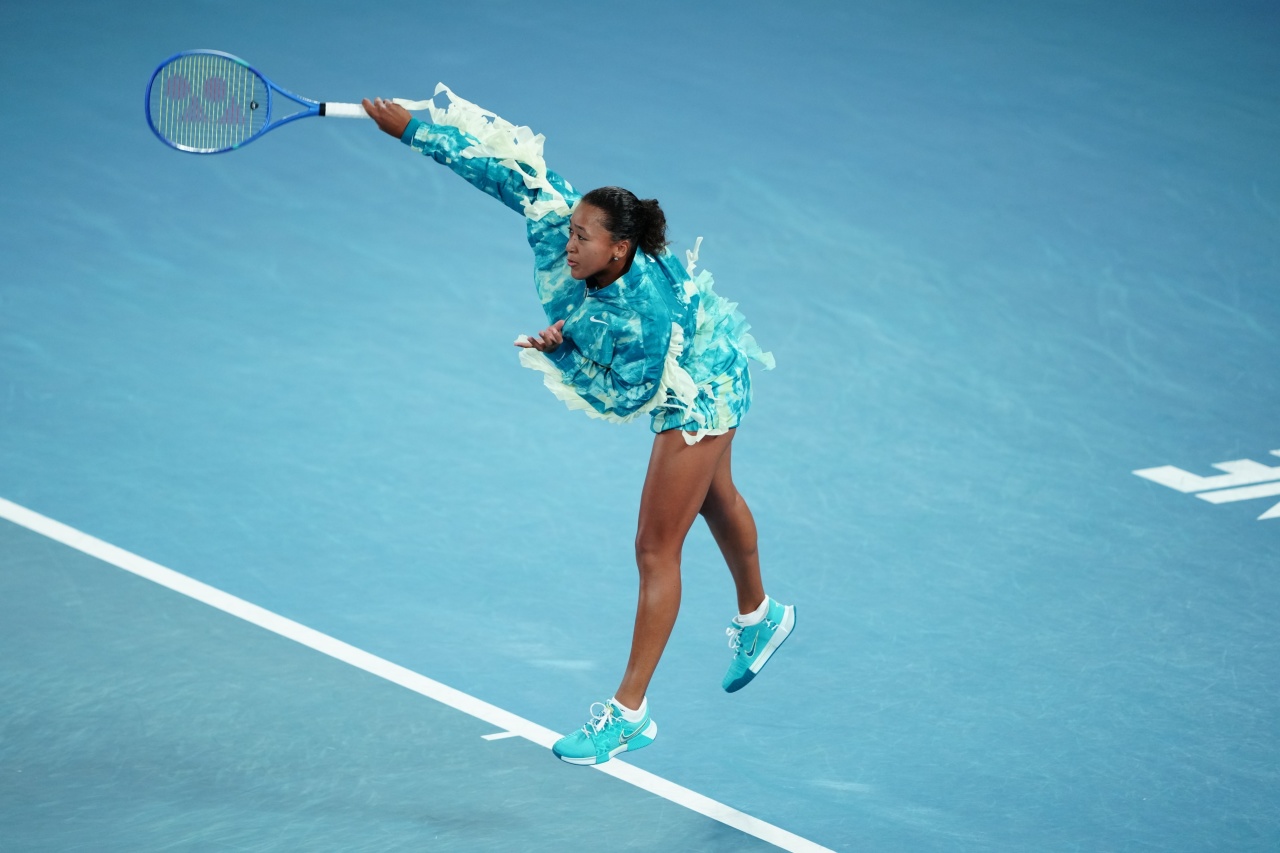
As the final whistle blew, Naomi Osaka left the court with her wedding dress and victory, leaving tennis with an unresolved question. As the feast of consumerism increasingly intertwines with the sanctuary of sports spirit, how should we define excellence in this era? Should we uphold the traditional ideal that objectifies the body and standardizes individuality, or embrace a complex future that allows diverse expressions and even controversy? Osaka’s figure seems like a prism, reflecting the confusion and possibilities at the crossroads of professional sports.
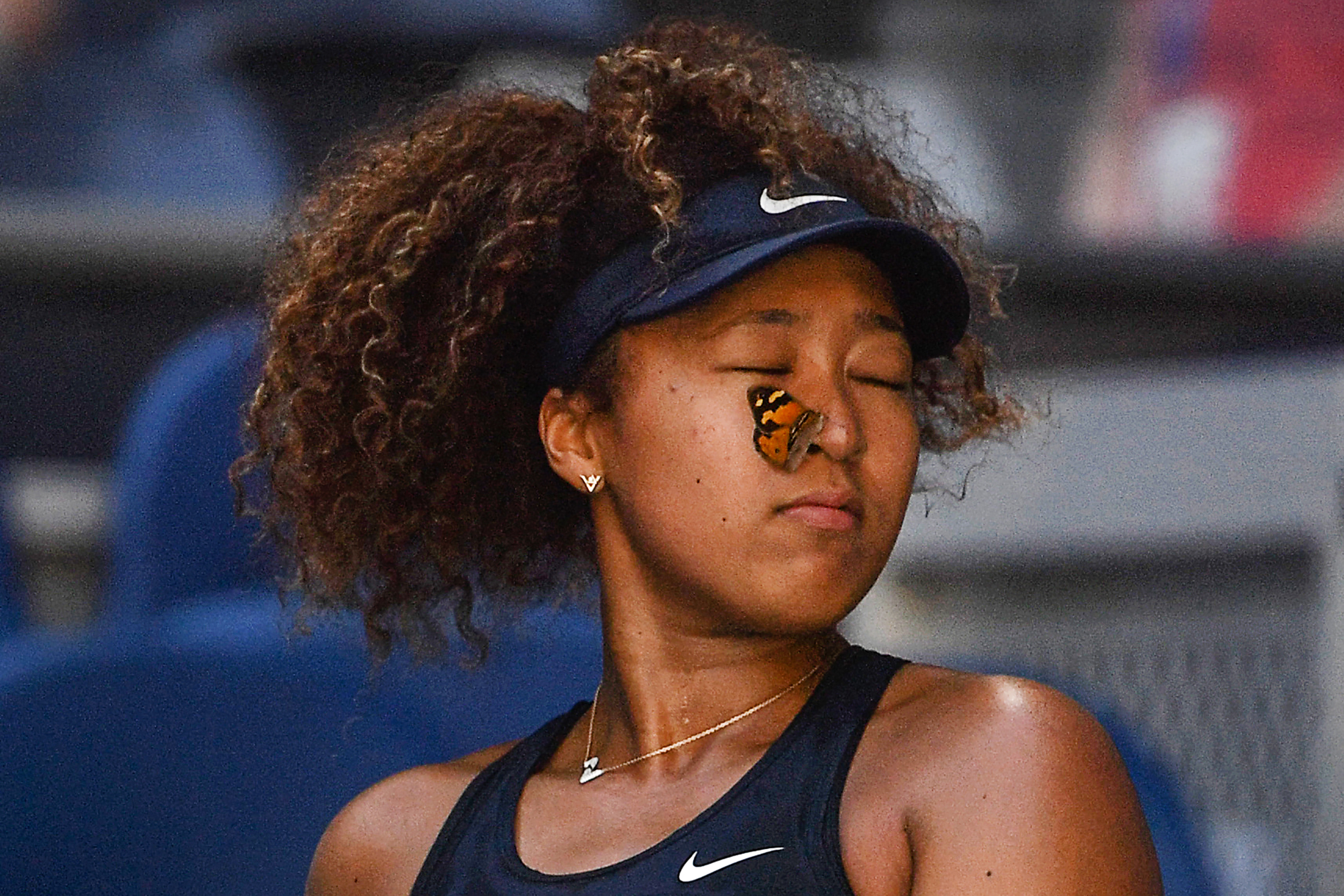
Perhaps the real answer does not lie in choosing one extreme or the other, but in cultivating a more tolerant and profound way of watching sports: appreciating textbook-perfect backhands while understanding the identity exploration behind a wedding dress; cheering for pure athletic beauty while acknowledging that “unconventional” expressions are also the authentic pulse of this sport struggling to survive and stay relevant in turbulent times. After all, the charm of tennis lies in how many resilient and unique souls it can accommodate, striking their own life paths on green or blue canvases—whether or not those paths are accompanied by a strikingly unconventional wedding gown.(Source: Tennis Home, Author: Xiao Di)

 Links
Links
 Contact
Address:UNIT 1804 SOUTH BANK TOWER, 55 UPPER GROUND,LONDON ENGLAND SE1 9E
Number:+85259695367
E-mali:[email protected]
 App
App


