



Medvedev's Resolve: I Have Never Considered Changing My Nationality



During the 2026 Australian Open, Russian ace Medvedev successfully passed two rounds in the intense Melbourne heat, steadily progressing forward. At the post-match press conference, he was asked a sensitive yet realistic question: how does he view the phenomenon of several Russian female players switching nationalities?
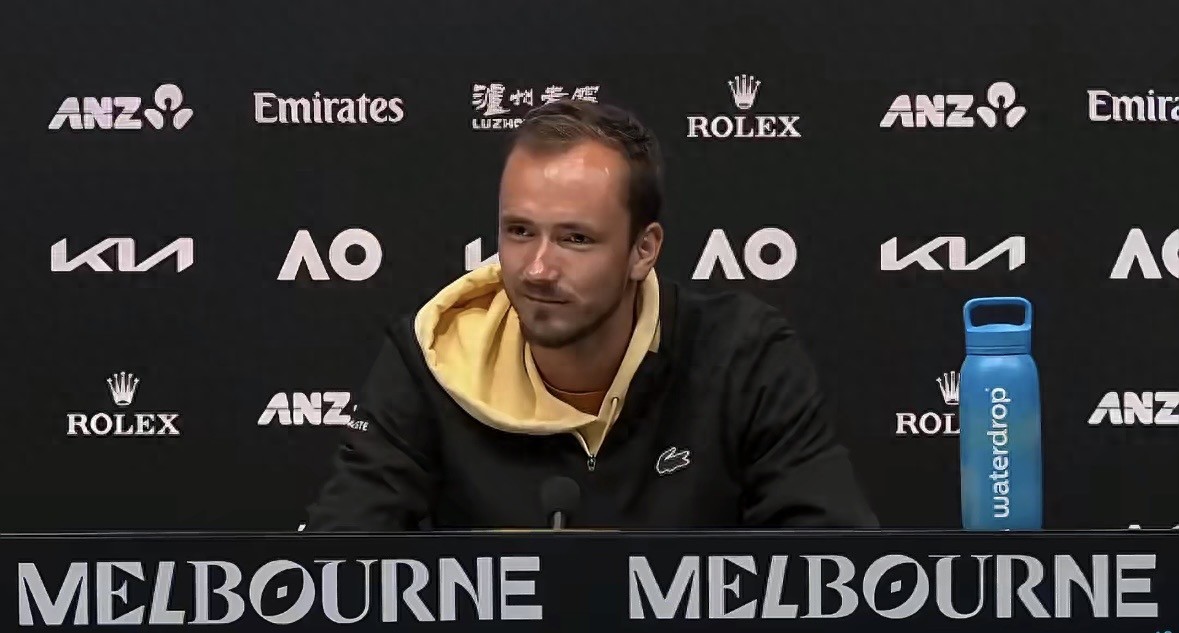
“As I’ve said before, I respect and understand everyone’s choices. This is something the sports world can do, and maybe it’s easier for us than for others.Personally, I have never thought about it. The place of birth holds significance; it symbolizes certain meanings. Politics and such considerations are another matter. So no, I have never contemplated changing nationality.Many have made that choice, and I remain friends with them. It is their decision.” His answer was brief yet firm, his eyes reflecting a calmness born of deep reflection.
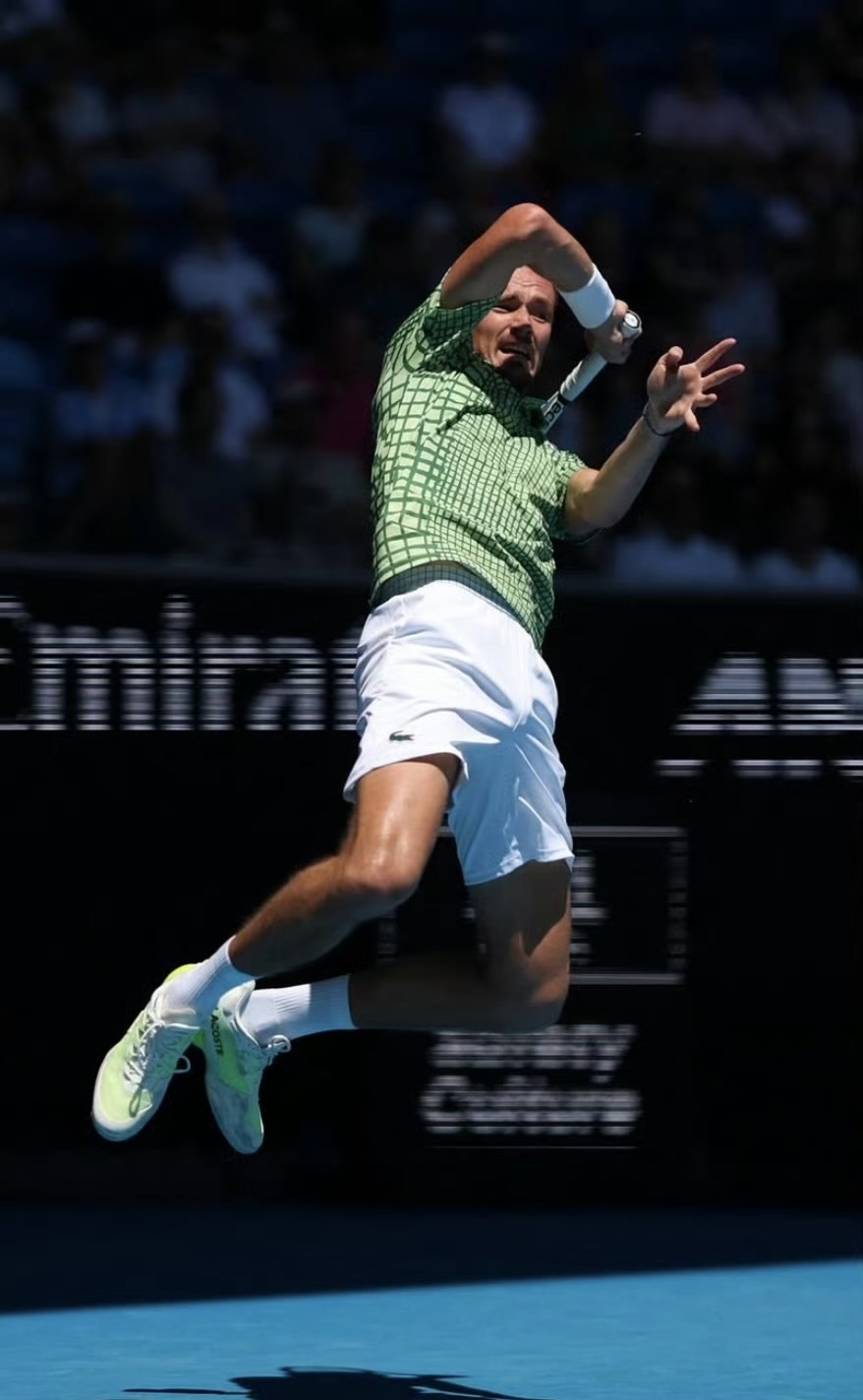
In the wave of sports globalization, nationality changes have become common, especially for Russian athletes seeking competition opportunities amid complex international circumstances. Medvedev respects these decisions and maintains friendships with those who changed nationality, but his personal stance is crystal clear: politics is one thing, roots are another. Behind this statement lies an identity beyond sport—a deep appreciation for cultural origins.
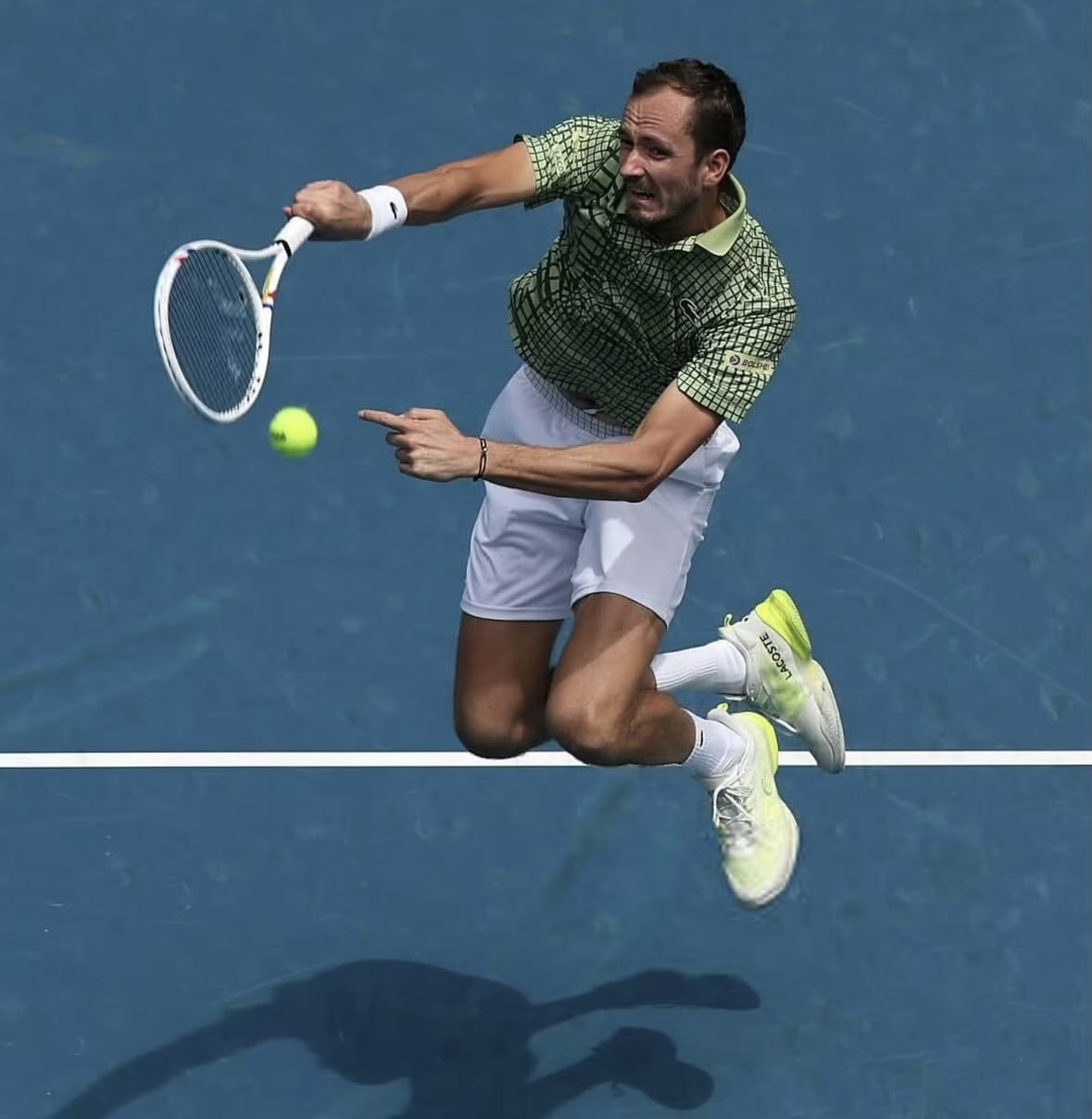
However, Medvedev shifted the topic to another dimension—the internal atmosphere of the tennis world. He revealed that his coach once described the tour locker rooms twenty years ago as “absolutely terrible… I’ve heard some stories that can’t be shared publicly.”
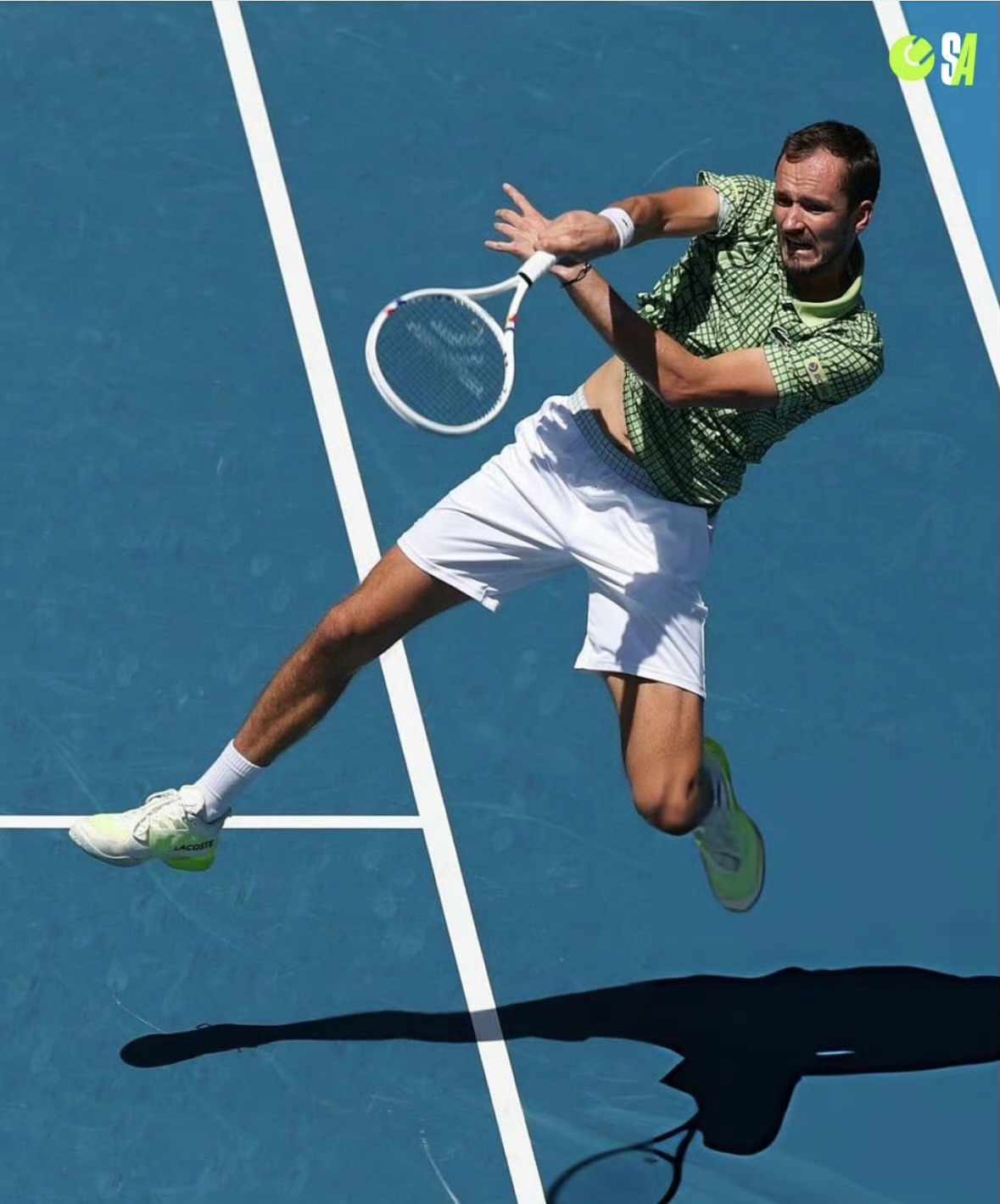
This contrast is thought-provoking. Two decades ago, tennis locker rooms were filled with tension, pressure, and unspoken undercurrents, leading many players to have short and difficult careers. In Medvedev’s words, he “understands why players retired so early back then.” It was an era of intense personal rivalry and scarce team spirit, where each player was like an isolated island.
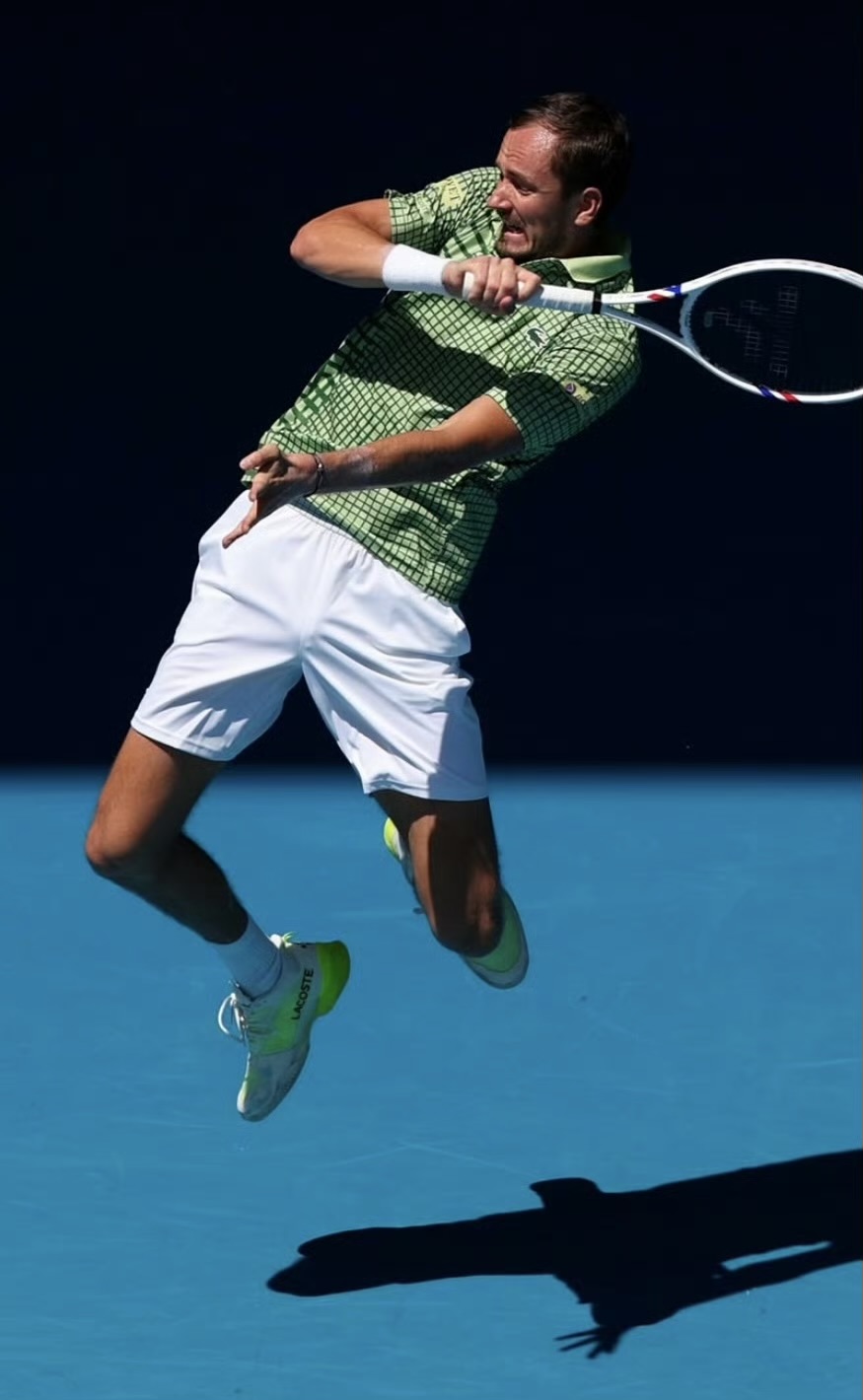
What about today’s tour? Medvedev paints a very different picture: “The atmosphere is really friendly. Everyone laughs, even before and after matches.” He specifically mentioned the scene of young players Sinner and Alcaraz sharing a flight, something almost unimaginable twenty years ago. Now players compete fiercely on court while maintaining friendships off it, creating a healthy competitive environment.
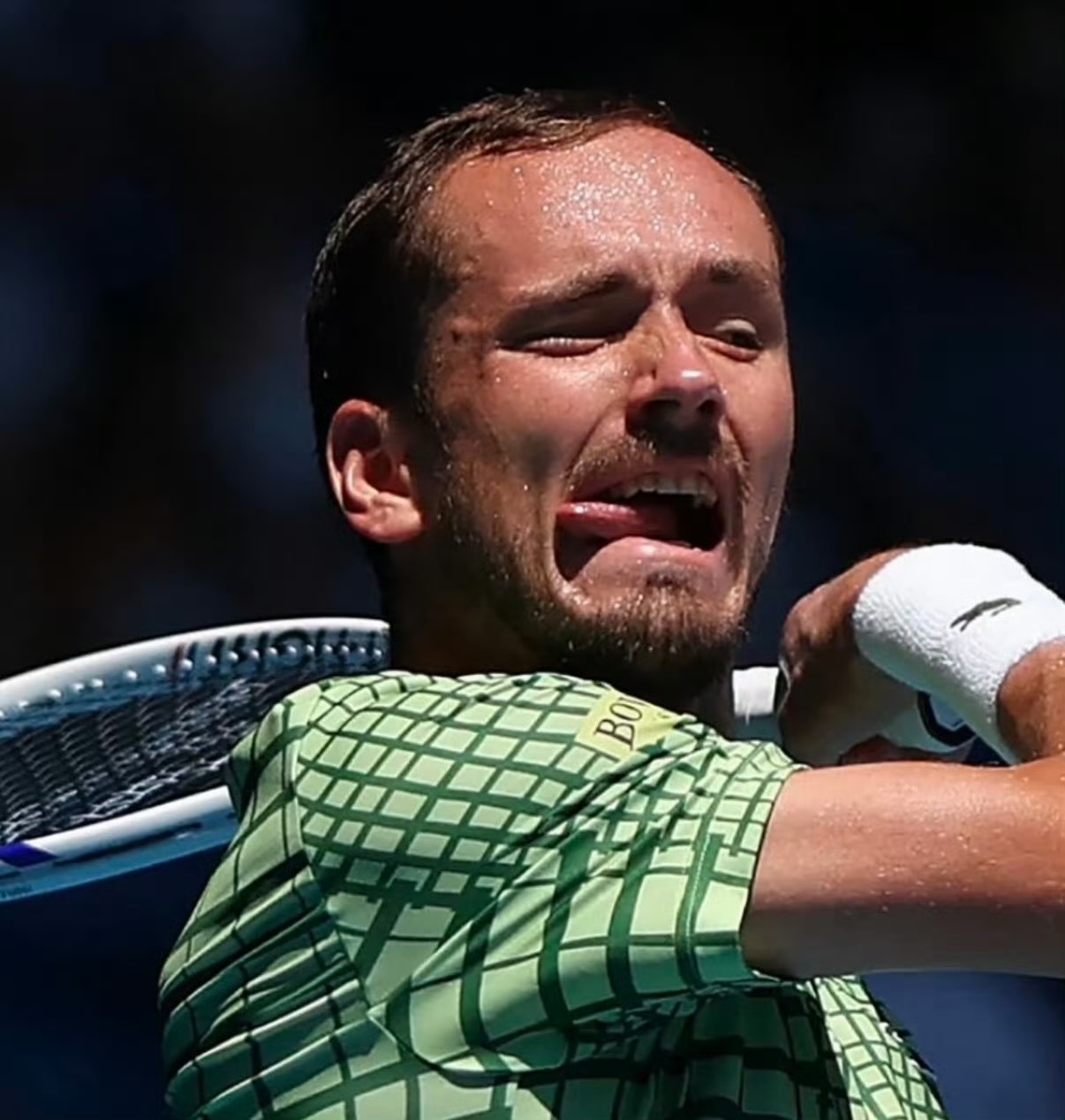
The transformation of locker room culture reflects a mirror showing tennis’s self-renewal amid the tides of time. When sports return to their essence—not only a contest of skill but also a human connection—the tensions and conflicts once hidden behind the scenes gradually give way to mutual respect and understanding.
Medvedev’s steadfastness fits perfectly with this trend. His refusal to change nationality is not stubbornness but loyalty to his true self; his praise for the current friendly atmosphere in tennis acknowledges the sport’s genuine values. Though these two points may seem to point in different directions, they ultimately converge—both seek a genuine, grounded, and humane way of experiencing sports.
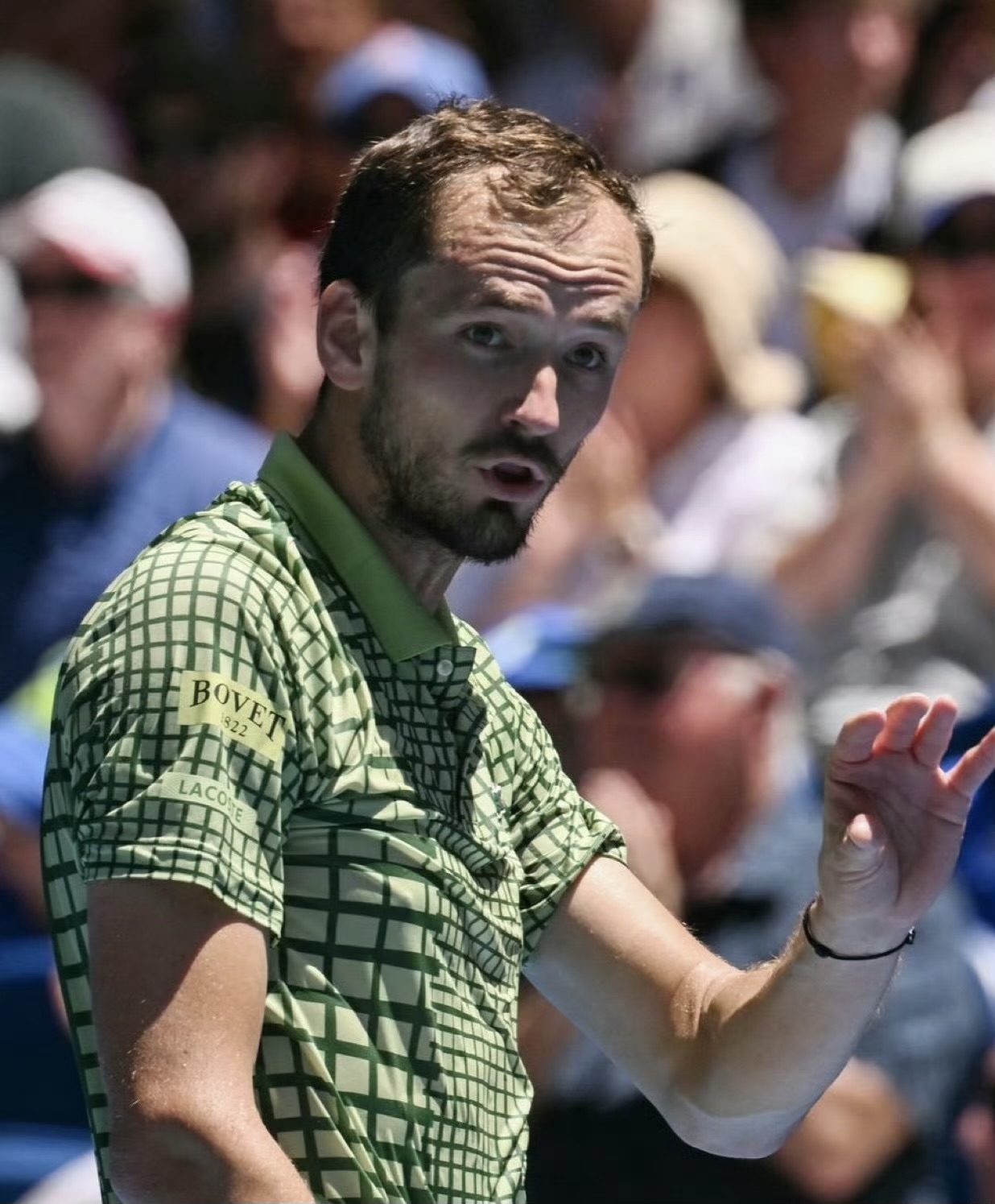
In an era where globalization and localization intertwine, athletes’ identities become complex and multifaceted. Medvedev’s choice reminds us that even in a mobile world, some roots are worth holding onto; his description of locker room changes tells us that when competition returns to a healthy path, sports can reveal their purest charm.
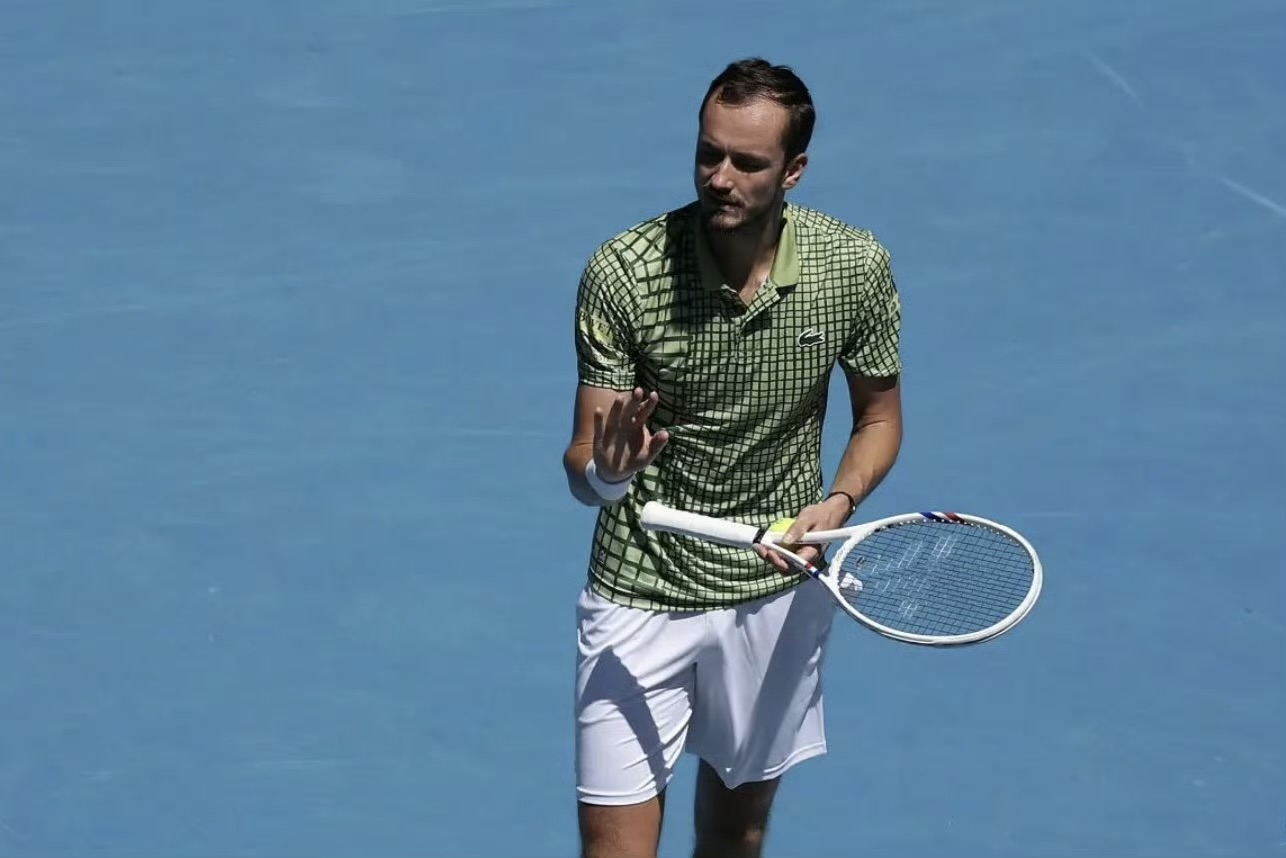
Perhaps this explains why today’s players can deliver thrilling matches while sharing genuine smiles without resentment. As Medvedev continues his journey under Melbourne’s sun, he represents not only Russian pride but also a legacy and renewal of sporting spirit—finding balance between belonging and global vision, fierce competition and mutual respect, embodying the spirit of this era.
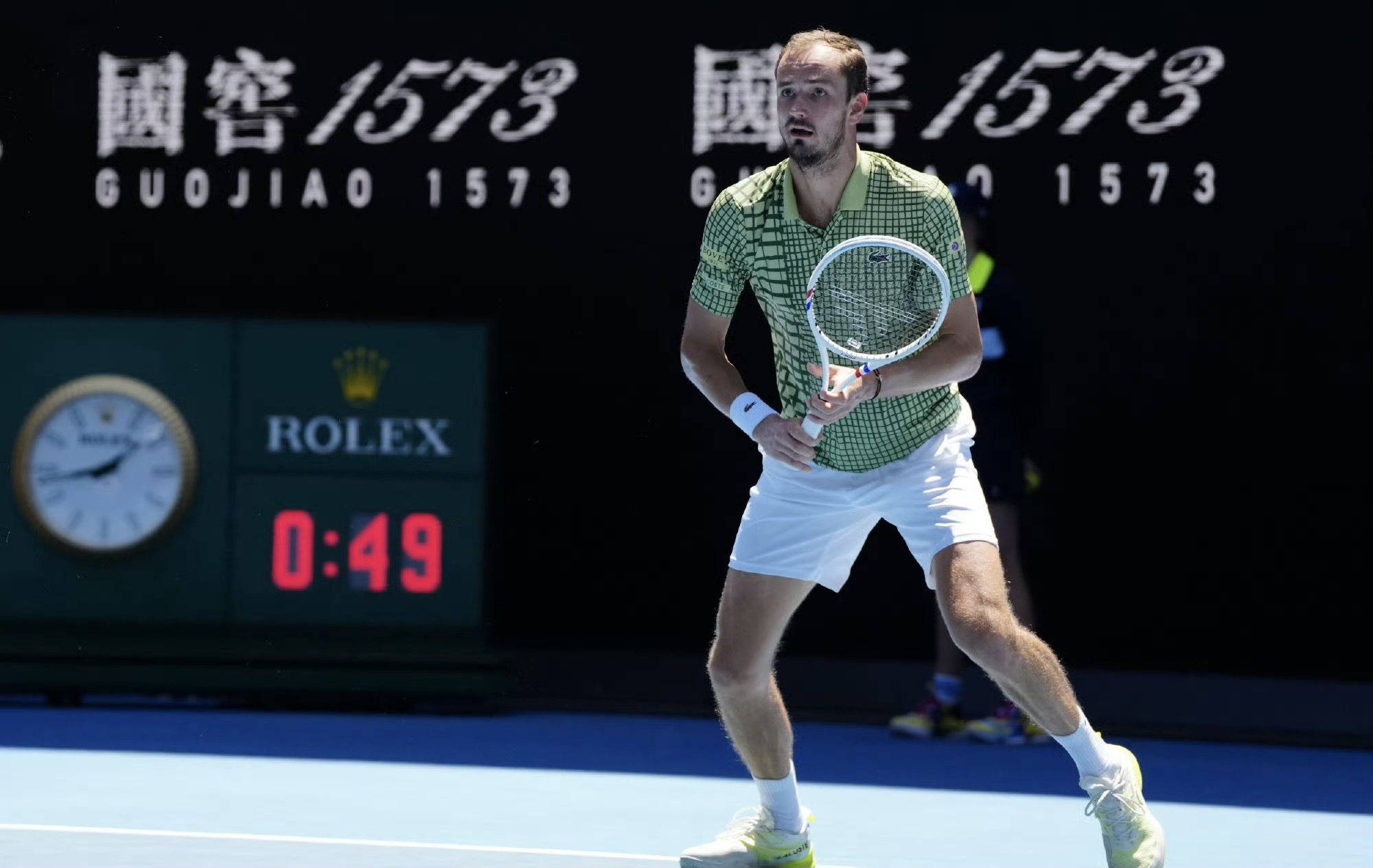
The shift from locker rooms being “absolutely terrible” to “very friendly,” alongside the varied choices between changing and staying with one’s nationality, together weave a rich tapestry of contemporary sports. Medvedev, a player who both honors his roots and embraces change, stands at the crossroads of these currents, interpreting the possibilities of sport in this age in his own way.(Source: Tennis Home Author: Mei)

 Links
Links
 Contact
Address:UNIT 1804 SOUTH BANK TOWER, 55 UPPER GROUND,LONDON ENGLAND SE1 9E
Number:+85259695367
E-mali:[email protected]
 App
App


